

Châteauneuf-du-Pape. The Pope’s Wines
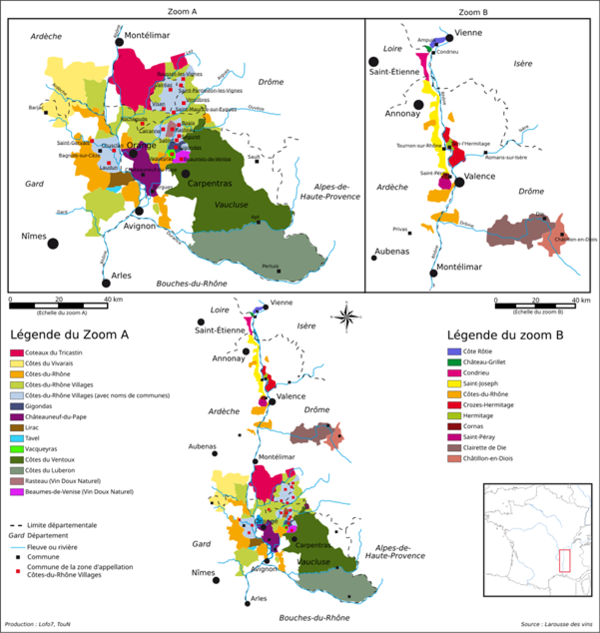
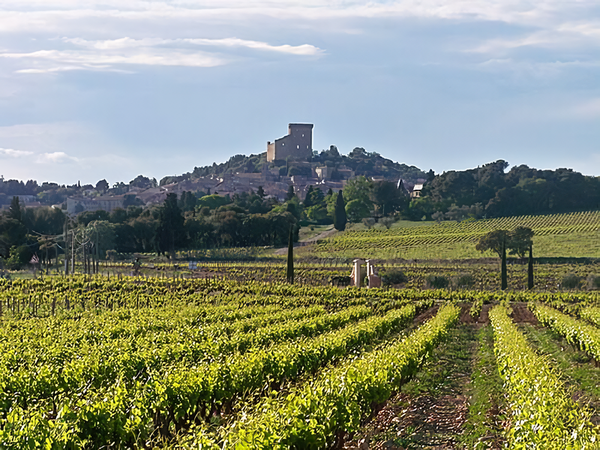
[아츠앤컬쳐] 론 계곡 와인 산지의 남쪽, 지중해성 기후 속에 자리한 샤또뇌프 뒤 파프(Châteauneuf-du-Pape)는 유서 깊은 와인으로 잘 알려진 아름다운 마을이다. 이 와인들은 권력 다툼과 정치적 음모의 고대 이야기를 담고 있으며, 그 여운은 오늘날까지 이어지고 있다. 샤또뇌프 뒤 파프에 관한 최초의 기록은 11세기의 라틴 문서에 등장하는데, 이곳은 ‘카스트로 노보(Castro Novo)’, 즉 “새로운 요새 마을”로 불리었다. 이 마을의 역사와 와인 산지의 역사는 교황청의 역사와 긴밀히 얽혀 있다.
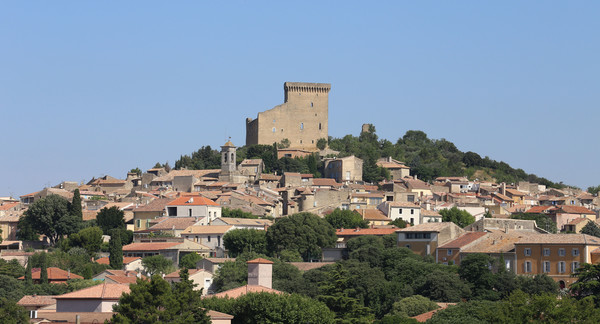
1305년, 교황 보니파시오 8세와 프랑스 국왕 필리프 4세 사이의 치열한 정치적·경제적 갈등 이후, 보르도 출신의 프랑스 대주교 베르트랑 드 고(Bertrand de Got)가 클레망 5세라는 이름으로 교황에 선출되었다. 몇 년 후인 1309년, 클레망 5세는 교황청을 로마에서 아비뇽으로 옮기기로 결정했으며, 이후 1376년 교황 그레고리오 11세가 로마로 돌아오기 전까지 여섯 명의 교황이 약 70년간 아비뇽에 거주했다. 교황들이 수세기 동안 머물렀던 로마가 비워진 그 기간 동안, 영원의 도시는 긴 역사에서 가장 어두운 시기 중 하나를 보냈다.
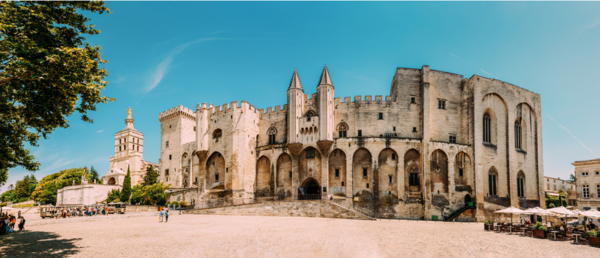
클레망 5세는 농부이자 와인 양조가 집안 출신으로, 부르고뉴 와인을 즐겼던 것으로 전해진다. 그는 9년간 샤또뇌프와 아비뇽을 오가며 머물던 교황직 기간 동안, 햇볕이 가득하고 자갈이 많은 이 땅의 잠재력을 알아보고 포도밭을 새로 조성했다. 그는 와이너리를 세웠는데, 오늘날까지 남아 있는 ‘샤또 파프 클레망(Château Pape Clément)’이 바로 그것이다.
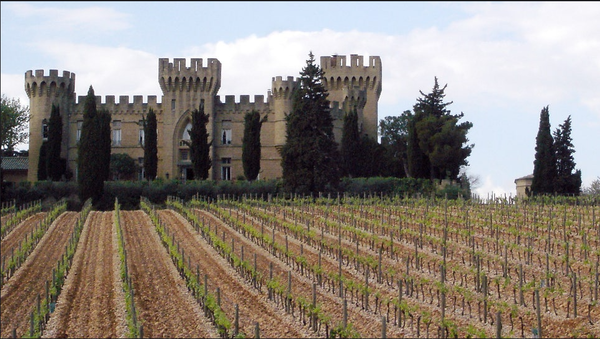
그 뒤를 이은 교황 자크 뒤에즈는 요한 22세로 즉위하여 그의 비전을 더욱 확장했다. 그는 포도 재배를 확대하고, 8헥타르에 달하는 토지에 포도밭을 조성했으며, 샤또뇌프 근처 언덕에 성을 지어 무더운 여름철을 이곳에서 보냈다. 이후 이 지역의 와인은 ‘교황의 와인’이라 불리게 되었고, 마을 이름도 ‘교황의 새 성’이라는 뜻의 샤또뇌프 뒤 파프로 알려지게 되었다.
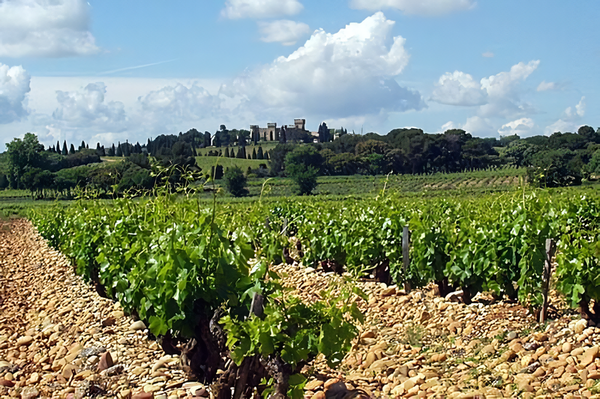
오늘날 샤또뇌프 뒤 파프는 프랑스에서 가장 존경받는 와인 산지 중 하나로, 대담한 레드 와인으로 특히 유명하지만 화이트 와인 또한 매혹적이다. 레드 와인은 허용된 13가지 품종을 블렌딩하여 만드는데, 그 중심에는 그르나슈(Grenache), 시라(Syrah), 무르베드르(Mourvèdre), 생쏘(Cinsault)가 있다.
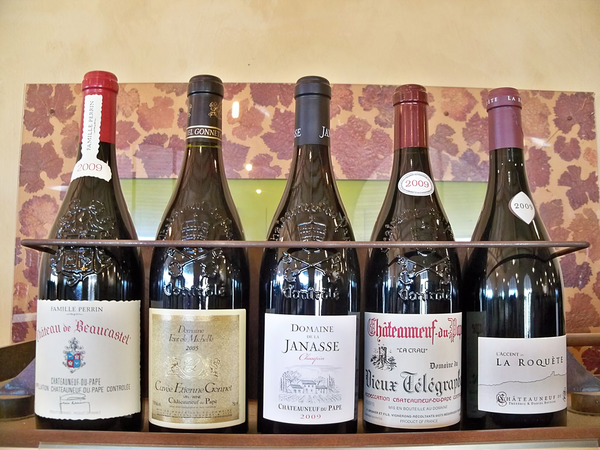
이 와인은 드라이하면서도 풍부하고 복합적이며 짙은 루비색을 띤다. 향과 맛은 라즈베리, 블루베리, 체리 같은 붉고 진한 베리류를 연상시키며, 섬세한 향신료와 함께 프로방스에서 ‘가리그(garrigue)’라 불리는 야생 허브에서 비롯된 약간의 거친 풍미가 더해진다.
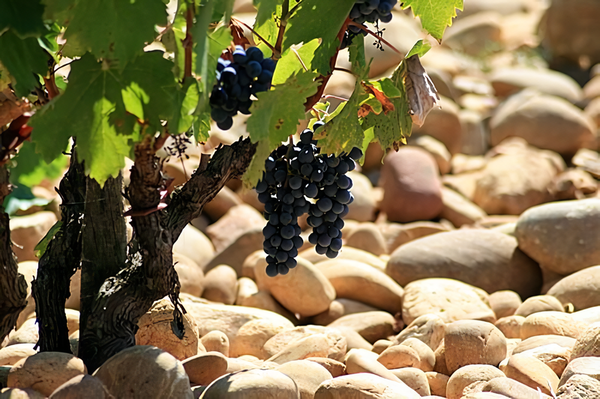
이 지역 특유의 갈레 루레(둥근 자갈)는 낮에는 태양의 열기와 습기를 흡수하고 밤에는 열을 방출하여 포도 숙성을 도와 와인에 강렬함과 깊이를 더한다. 동시에 차갑고 강한 미스트랄 바람이 계곡을 휩쓸어 습기를 몰아내고 건조한 기후를 조성한다.
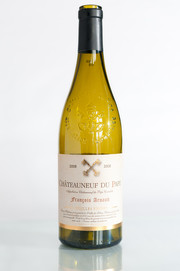
화이트 와인은 우아하고 향기로우며, 그르나슈 블랑(Grenache Blanc), 루산느(Roussanne), 클레레트(Clairette) 등 몇 가지 허용된 품종으로 양조된다. 향과 맛은 꽃과 감귤류의 풍미를 지니며, 아몬드, 스타프루트, 아니스, 펜넬, 인동덩굴, 복숭아를 연상시키는 뉘앙스와 함께 좋은 미네랄 베이스를 선사한다.
Châteauneuf-du-Pape. The Pope’s Wines
In the southern part of the Rhone Valley wine region, nestled in a Mediterranean climate, Chateauneuf du Pape is a pleasant village highly renowned for its wines which tell ancient stories of power struggle and political intrigue whose echoes have survived to this day. The first mention of Chateauneuf du Pape is in a Latin document from the eleventh century where it is called Castro Novo, “new fortified village”, and both the history of this village and those of its wine area are entwined with papal history.
In 1305, the former French Archbishop of Bordeaux, Bertrand de Got, was elected pope under the name of Clement V, after a period of bitter political and economic conflict between the then Pope Boniface VIII, and the French king Philip IV. A few years later, in 1309, Clement V decided to move the Seat of the Papacy from Rome to the town of Avignon, where six more popes would reside until 1376, when Pope Gregory XI returned to Rome after nearly seventy years in which the Eternal City, deprived of the centuries-old presence of the popes, had fallen into one of the darkest eras in its long history.
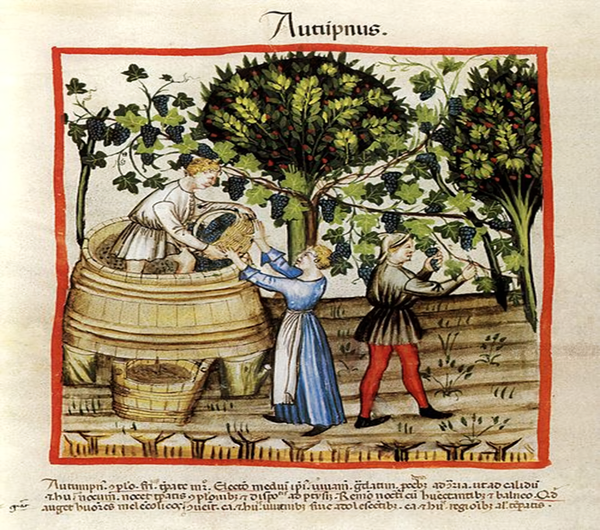
Clement V came from a family of farmers and winemakers who were said to be fond of Burgundy wines. During his nine-year itinerant pontificate in which he lived between Chateauneuf and Avignon, having noticed the high potential of the rocky, sun-bathed soil of that countryside, he quickly planted new vineyards there and established a winery, Chateau Pope Clement, that still exist today.
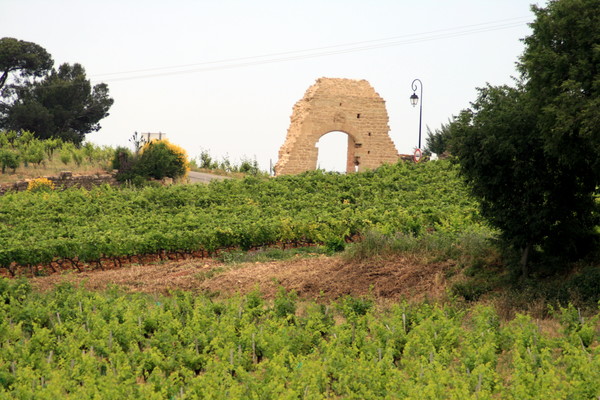
Jacques Duèze, the pope who succeeded Clement V under the name of John XXII, took his vision further by continuing to spread viticulture in that area extending the vineyards on eight hectares of land and having a castle built on a hill nearby Chateauneuf, where he used to live during the hot summer seasons. Later on, the local wines began to be called Pope’s Wines and the village itself became known as Chateauneuf du Pape, The Pope’s New Castle.
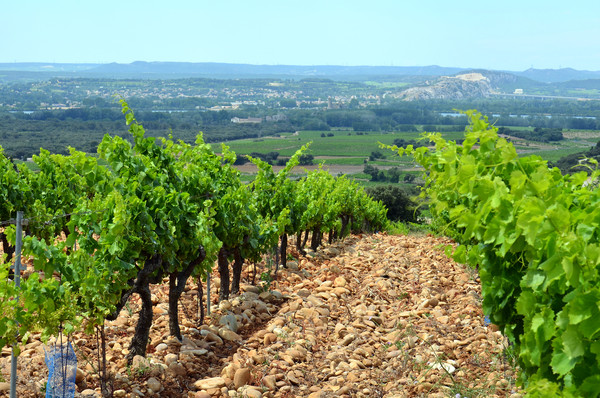
Today, Chateauneuf du Pape is one of the France’s most revered wine areas, known primarily for its bold red wines, though its whites are equally intriguing. Red wines are typically blending of thirteen allowed grape varieties with Grenache, Syrah, Mourvèdre and Cinsault forming the backbone. These wines are dry, full-bodied, complex, with a ruby deep color. Aromas and flavor offer notes of red and dark berries such as raspberries, blueberries and cherries, nuance of delicate spices and slightly wild notes from dried herbs known in Provence as “garrigue”.
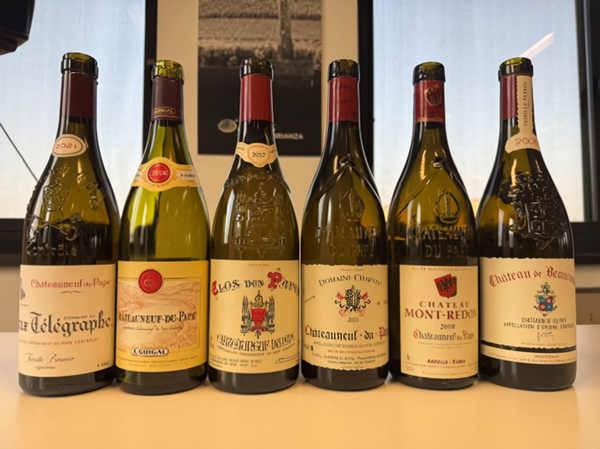
White wines are elegant, aromatic, made with a few permitted grapes, including Grenache Blanc, Roussanne and Clairette. Aromas and flavor offer floral and citrus notes and a good mineral backbone with hints of almond, star fruit, anise, fennel, honeysuckle and peaches.

글 | 에밀리아노 펜니지 Emiliano Pennisi
Wine scholar and expert
He attended sommellier courses in Italy
Lecturer of the Italian Cultural Institute in Seoul
Sogang University lecturer of Italian language