

“NO MAN WILL FIND MY TOMB”
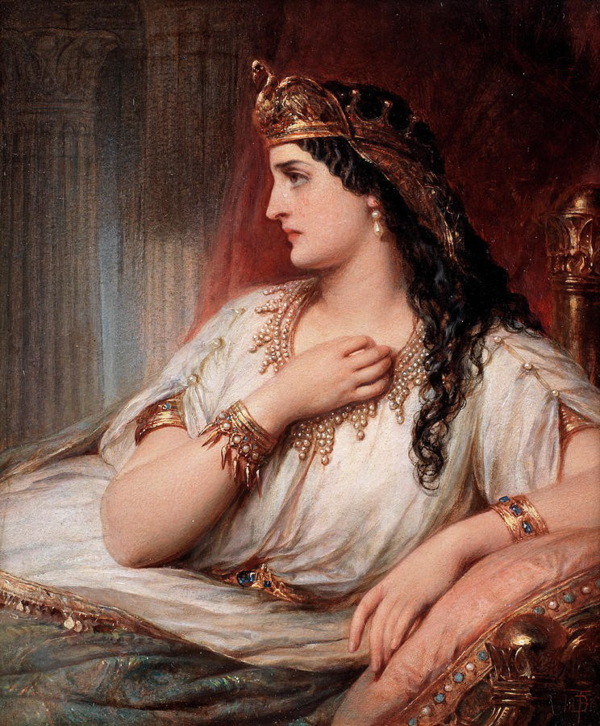
[아츠앤컬쳐] 역사 속 수수께끼 중 클레오파트라의 미스터리만큼 시간이 흘러도 그 매력이 사라지지 않는 것이 있을까? 그녀는 이집트의 마지막 여왕이자, 율리우스 카이사르와 마르쿠스 안토니우스를 휘어잡았으며 위대한 헬레니즘 왕국의 통치하는 권력을 누렸던 여성이다. 남성 중심의 시대에도 그녀는 탁월한 정치적 재능, 카리스마, 그리고 깊은 교양으로 세기를 초월한 아이콘이 되었다. 또한, 여기에 그녀의 이야기를 영원하게 만드는 미스터리가 하나 있다. 2천 년이 지난 지금까지도 그녀의 무덤이 고고학계의 성배로 남아 있는 것이다. 역사와 전설이 얽힌 이 이야기가 그녀의 안식처를 찾는 일을 고대를 향한 최고의 집착으로 만들었다.
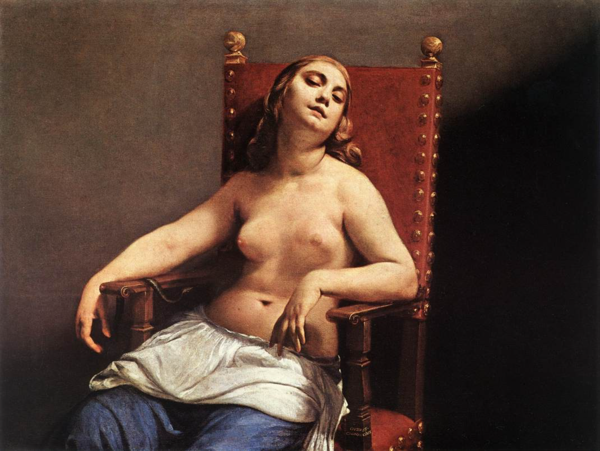
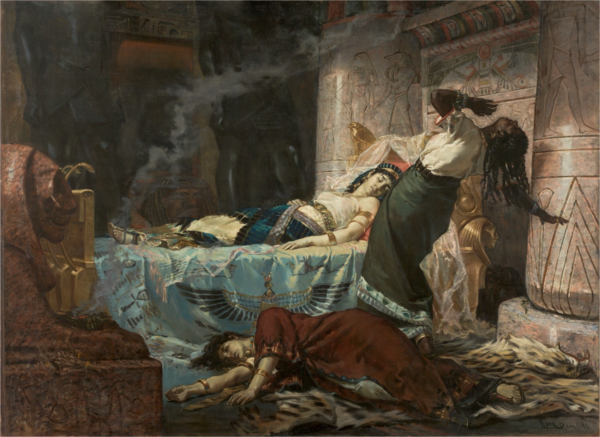
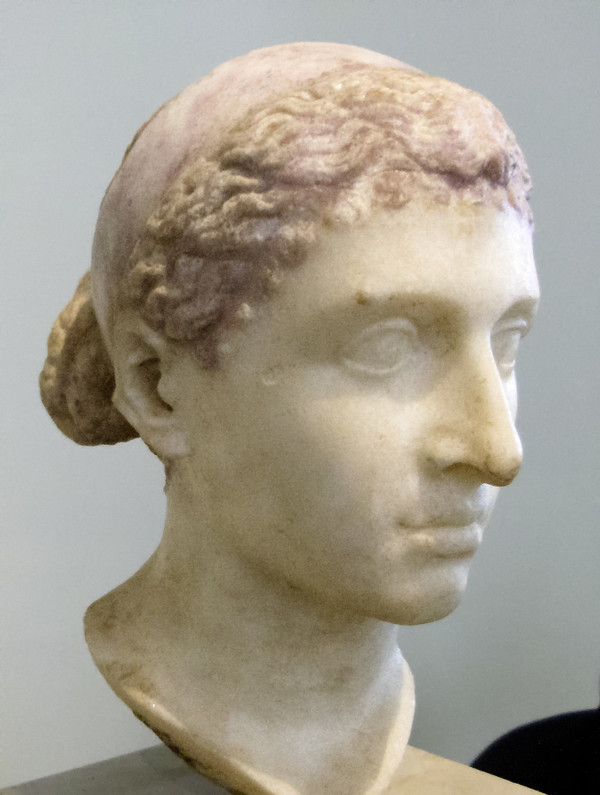
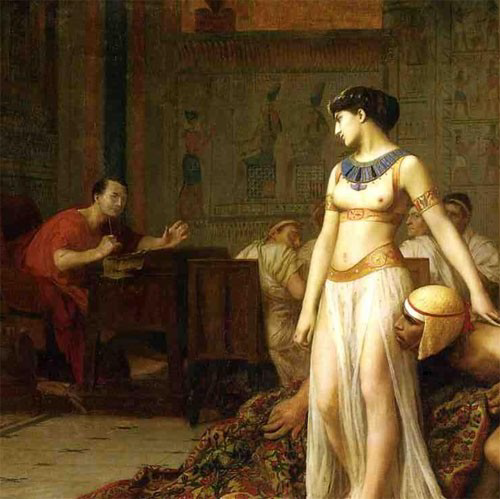
그녀의 무덤이 이토록 강력한 매력을 발휘하는 이유는, 이천 년 동안 그녀의 모습이 역사적 확실성이 아닌 예술에 의해 형성되어 왔기 때문이다. 바로 이 때문에 고고학자들의 작업, 즉 전설 아래 진실을 찾는 일은 오늘날 그 어느 때보다도 중요하고 흥미진진하다. 그녀의 모습은 수세기 동안 붓과 필름에 의해 창조되고 조작되어 왔다. 귀도 카냐치(Figure 1), 후안 루나(Figure 2)와 같은 예술가들은 마지막 순간, 독사에 물려 죽음을 맞는 장면에 집중하며, 그의 자살을 고귀하고 운명적인 신고전주의적 드라마로 변모시켰다.
그녀는 너무나 강력한 아이콘이라 대다수의 사람들에게 1963년 대작 영화 속 엘리자베스 테일러의 모습으로 각인되어 있어, 할리우드의 유혹과 화려한 신화로 종종 실제보다 더 생생하게 다가온다.
“우리는 단순히 무덤을 찾는 것이 아닙니다. 우리가 함께 쌓아 올린 이 반짝이는 신화의 층 아래 묻힌 진짜 여인을 찾고자 합니다.”
듀안 W. 롤러 같은 전기 작가들에 따르면, 그녀가 로마 지도자들과 맺은 결혼은 무엇보다도 이집트를 구하기 위한 정치적 계산이었다. 그러나 마르쿠스 안토니우스와의 유대는 모든 전략을 뛰어넘는 개인적 비극이 되었다. 안토니우스 곁에 묻히길 바란 그녀의 마지막 소원은, 유배보다 함께하는 영원을 선택한 유대의 메아리다.
그녀의 죽음의 방식 역시 수수께끼다. 자살을 선택했지만 뱀에 물렸다는 전설은 논란의 여지가 있다. 일부 학자들은 신성한 코브라(우레오)에의 물림이 파라오적 상징주의의 제스처였으며, 그녀의 죽음을 마지막 위엄 있는 자기 신격화로 승화시켰다고 주장한다. 핵심은 클레오파트라가 포로가 아닌 여왕으로서 죽었다는 것이다. 그러므로 그녀의 공동 무덤을 찾는 것은 그녀의 마지막 극적인 행동의 위대함을 입증하는 열쇠가 된다.
현대 연구는 알렉산드리아 서쪽에 위치한 타포시리스 마그나에 집중한다. 이 유적지는 프톨레마이오스 2세가 설립했으며, 그 이름은 “오시리스의 위대한 무덤”을 의미한다(Vörös). 이것이 바로 이 장소가 지닌 매력의 이유다. 클레오파트라는 오 시리스의 신화 속 배우자인 새로운 이시스로 숭배받았다. 여왕이 신들을 본받아 이곳을 그들의 영원한 안식처로 만들고자 했다는 가설이 제기된다.
이 탐사를 이끈 도미니카 공화국 출신 고고학자 캐슬린 마르티네즈는 놀라운 단서를 발견했는데, 바위 속으로 파낸 길이 1,305미터에 달하는 거대한 지하 터널이 매장실로 통하는 통로일 것이라고 주장했다. 이 터널은 사원과 바다를 연결하는 것으로 보이며, 이는 매혹적인 시나리오를 제시한다. 아마도 여왕과 안토니우스의 시신은 오시리스의 여정을 모방한 장례 의식을 통해 물길을 따라 운반되었을 것이다. 최근 고고학자들이 밝힌 바에 따르면, 현장 근처에서 타포시리스 마그나의 전략적 중요성을 입증하는 고대 수중 항구가 발견되었고, 육지에서는 클레오파트라의 얼굴이 새겨진 동전과 그녀를 이시스로 묘사한 조각상들이 발견되었다. 이러한 발견들이 결정적인 증거는 아니지만, 무덤의 발견은 ‘언제’의 문제이지 ‘있는지 없는지’의 문제가 아님을 시사한다.
클레오파트라의 역사는 수세기 동안 왜곡되어 왔다. 그러나 로마의 선전과 할리우드의 화려함 너머, 그녀의 진정한 마지막은 여전히 베일에 싸여 있다. 타포시리스 마그나에서 기적의 터널을 찾는 것은 죽음 속에서도 주권을 선택한 여왕의 뜻을 기리기 위한 마지막 시도이다. 오시리스의 무덤이 이시스와 그녀의 배우자의 안식처를 드러낸다면, 그것은 수수께끼의 끝이 아니라 천 년 간의 집착의 종말을 의미할 것이다. 물론 결정적인 증거는 아니다. 클레오파트라는 역사가 승자, 즉 로마에 의해 기록될 것이며, 자신이 최고의 장군들을 타락시킨 동방의 마녀로 묘사될 것임을 알고 있었다. 부분적으로는 그렇게 되었다.
“NO MAN WILL FIND MY TOMB”
Few historical enigmas endure through time with the allure of that of Cleopatra. The last pharaoh of Egypt, the woman who bent the influence of Julius Caesar and Mark Antony, and who firmly held the reins of the last great Hellenistic kingdom. In an age dominated by men, it was her immense political intelligence, charisma, and profound education that made her an icon destined to challenge the centuries. But there is a mystery that makes her story eternal: after two thousand years, her tomb remains the Holy Grail of archaeology. It is this intertwining of History and Legend that makes the hunt for her resting place the most obsessive pursuit of antiquity.
The reason her tomb exerts such a powerful fascination, even into the modern era, lies in the fact that for two thousand years her figure has been shaped by art rather than historical certainty. And it is precisely for this reason that the work of archaeologists, the search for truth beneath the legend. is today more crucial and exciting than ever. Her image has been created and manipulated for centuries by the brush and by film. Artists like Guido Cagnacci (Figure 1) and Juan Luna (Figure 2) focused on the final act: death by asp, transforming her suicide into a Neoclassical drama of nobility and fate.
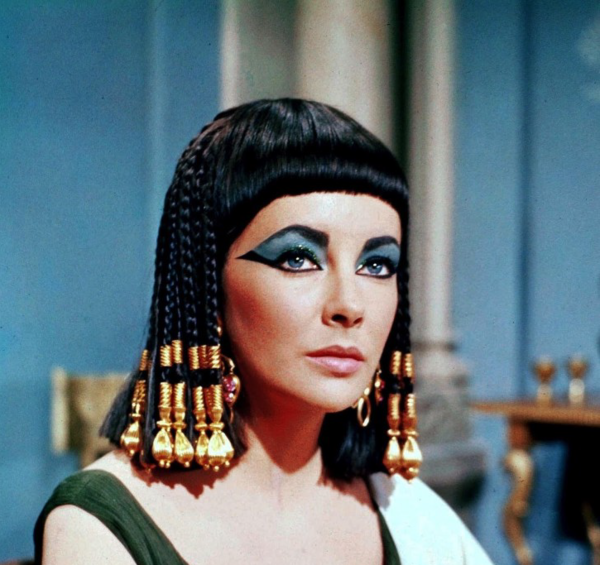
She is such a powerful icon that, for millions of people, her face is that of Elizabeth Taylor in the 1963 blockbuster, a Hollywood myth of seduction and splendor often more vivid than reality itself.
We are not merely searching for a tomb; we are searching for the real woman buried beneath this glittering layer of myth that we ourselves have helped construct. According to biographers like Duane W. Roller, her unions with Roman leaders were primarily political calculations to save Egypt. But her bond with Mark Antony became a personal tragedy that surpassed all strategy. Her final wish, to be buried beside Antony, is the echo of a bond that preferred eternal togetherness over exile.
Even the how of her death is an enigma: she chose suicide, but the legend of the asp is controversial. Some scholars suggest that the bite of the sacred cobra (the Uraeus) was an act of pharaonic symbolism, elevating her death to one last, majestic self-deification. The essence is this: Cleopatra died as a queen, not as a prisoner. And the search for their joint tomb is the key to validating the grandeur of her final, dramatic gesture.
Modern research focuses on Taposiris Magna, west of Alexandria, a site founded by Ptolemy II whose name means: “The Great Tomb of Osiris” (Vörös). This is the reason for its allure: Cleopatra was venerated as the New Isis, the mythological consort of Osiris. The hypothesis is that the queen wished to emulate the deities, making this place their eternal resting ground.
Leading the mission, Dominican archaeologist Kathleen Martínez has brought to light sensational clues: a monumental underground tunnel, 1,305 meters long and carved into the rock, possibly an access route to the burial chamber.
The tunnel seems to connect the temple to the sea, an idea that opens a fascinating scenario. Perhaps the bodies of the queen and Antony were carried by water, through a funerary ceremony that imitated the journey of Osiris. As recently revealed by archaeologists, an ancient submerged port has been found near the site, confirming the strategic importance of Taposiris Magna. On land, coins bearing Cleopatra’s face and statues portraying her as Isis have been uncovered.
These findings are not definitive proof, but they make the discovery of the tomb a matter of when, not if.
Cleopatra’s story has been manipulated for centuries. But beyond Roman propaganda and Hollywood splendor, her true ending remains hidden. The search for the Miraculous Tunnel at Taposiris Magna is the latest attempt to honor the will of a queen who chose sovereignty in death. If the Tomb of Osiris reveals the resting place of Isis and her consort, it will mark not the end of a mystery, but of a millennia-old obsession. They are not definitive proofs, certainly. Cleopatra knew that history would be written by the victors Rome. And Rome would describe her as an Eastern sorceress who had corrupted its greatest men. In part, it did.
Perhaps this is why she designed a death and burial that would make her unreachable. It was her last form of sovereignty: to avoid being captured alive, or dead. To disappear meant to protect her memory. And perhaps to construct the legend she wished to leave behind.
Every year new clues emerge, and every year the goal seems within reach.
But then the desert returns only fragments, shadows, promises.

글 ㅣ 레티지아 데 투리스 Letizia De Turris
이탈리아 살렌토대학교 역사 전공 석사. 고고학 연구원. 이탈리아 레체의 카발리노(2011) 및 로카(2013), 카를로 5세 성(2015) 발굴. 한양대학교 한국어(2023), 동국대학교(2025) 한국어 고급 과정.