

The Embrace in the Mud
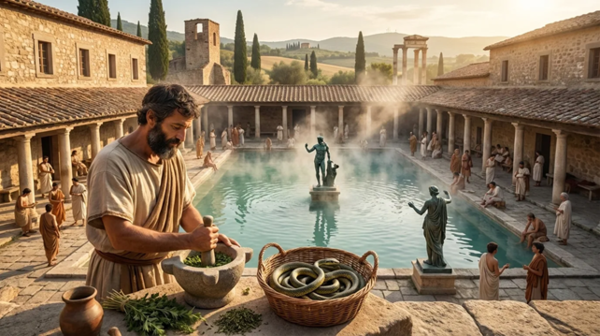
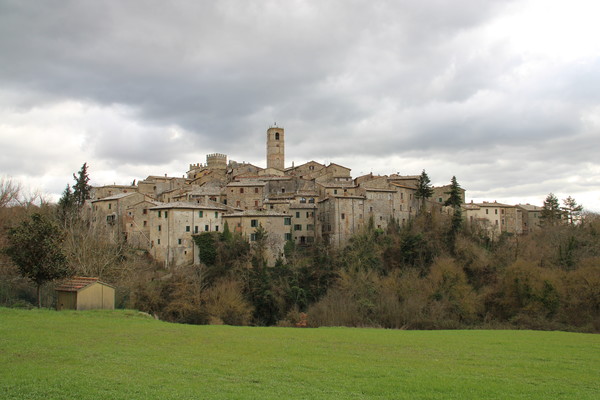
[아츠앤컬쳐] 증기가 천천히 피어올라 모든 것을 유백색 안개로 감싸는 온천수 표면 아래에서 시간은 느리게 흐른다. 토스카나의 온천수는 마치 노인이 이야기를 들려주듯, 서두르지 않고 미네랄과 기억을 가득 싣고 땅속에서 솟아난다. 이 물은 치유하고, 환영하며, 보호해 주는 물이다. 그리고 수세기 동안 남녀가 고통의 위안을 찾아 찾아왔던 그 신성한 샘, 산 카시아노 데이 바니에서 물은 2,300년 동안 한 비밀을 간직해 왔다.
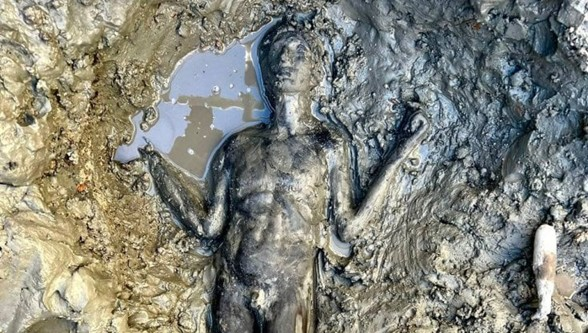
그것은 단순한 비밀이 아니라, 리아체 청동상들과 견줄 만큼 강력한 인류의 증거였다. 20여 점의 청동상이 온천 진흙 속에서 발굴되었는데, 그 보존 상태는 고고학자들을 말문이 막히게 만들었다. 첫 번째 조각상이 탁한 물에서 들어 올려졌을 때, 청동 눈은 여전히 하늘을 응시하는 듯했고, 손은 여전히 기도하는 듯했다.
우리는 기원전 3세기에서 1세기, 피와 정복의 시대에 있다. 로마인과 에트루리아인은 고대 역사상 가장 치열한 전쟁 중 하나에서 맞서 싸웠는데, 이는 반도를 지배하기 위한 투쟁으로 자비를 허용하지 않았다. 전장은 폭력의 붉은 사막이었고, 도시들은 잇달아 함락되었으며, 각 민족은 상대방을 말살해야 할 적으로 여겼다.
그러나 에트루리아 토스카나의 심장부에는 그 폭력이 햇볕에 안개처럼 사라지는 곳이 존재했다. 산 카시아노 데이 바니의 온천 성소는 단순한 치유의 장소가 아니었다. 이곳은 중립지이자 전쟁이 침범할 수 없는 신성한 공간이었다. 이곳에서 로마와 에트루리아 병사들은 갑옷과 정체성을 벗어 던지고, 같은 온천물에 몸을 담그며, 같은 신들에게 기도하고, 치유를 바라는 같은 희망을 품었다.
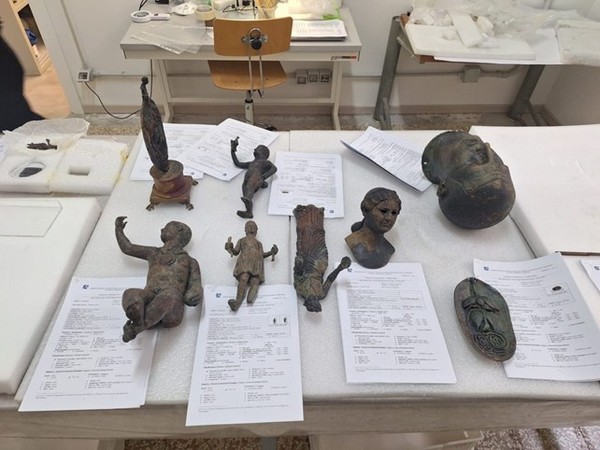
발견된 청동상들은 바로 이 불가능한 이야기를 정확히 전하고 있다. 일부에는 에트루리아어로, 다른 일부에는 라틴어로 된 비문이 새겨져 있다. 어떤 것은 에트루리아 신들을, 또 다른 것은 로마 신들을 묘사하고 있다. 하지만 가장 놀라운 발견은 수백 점에 달하는 해부학적 봉헌물들이다. 심장, 폐, 간, 내장, 인간의 사지 등이 청동으로 정교하게 제작되었는데, 그 정밀함은 놀라운 의학적 지식을 드러낸다.
이 장기들은 단순한 봉헌물이 아니었다. 그것들은 물질화된 기도였다. 신성한 물에 던져진 청동 심장은 기도하는 이의 아픈 심장을 치유해 달라는 신들에 대한 침묵의 간청이었다. 폐는 다시 고통 없이 숨 쉴 수 있기를 바라는 희망이었다. 모든 조각상, 모든 해부학적 조각은 취약함에 대한 절규였으며, 고통과 육체의 연약함 앞에서 적이란 존재하지 않고 오직 같은 것, 즉 생명을 추구하는 인간들만이 있다는 깨달음이었다.
이 발견에는 수천 년과 문화를 초월하는, 지극히 보편적인 무언가가 담겨 있다. 한국에서 유교 철학은 항상 ‘인화(和)’, 즉 인간 관계의 조화와 차이를 넘어 공존하는 능력을 중시해 왔다. 산 카시아노 데이 바니의 성소는 한국과 로마가 서로를 알기 수천 년 전부터 정확히 이 원칙을 구현해 왔다.
두 문화권 모두에서 온천수는 단순한 천연 자원으로 여겨진 적이 없다. 온천은 정화의 장소이자, 몸과 영혼이 화해하고 공동체가 하나로 모이는 공간이다.
하지만 이 조각상들은 어떻게 이렇게 기적적인 상태로 우리에게 전해질 수 있었을까? 그 해답은 진흙에 있다. 기독교의 도래로 이교도 성소가 버려지거나 파괴될 때, 조각상들은 귀중한 재료인 청동을 회수하기 위해 종종 녹여지곤 했다. 그러나 산 카시아노에서는 다른 일이 일어났다. 지역 공동체는 신성한 장소를 모독하는 대신, 진흙이 영원히 덮어버리기 전에 조각상 위에 커다란 돌덩이를 쌓아 올려 의도적으로 봉인한 것으로 보인다. 마치 이곳을 보존해야 한다는 것, 그 평화로운 공존의 기억이 사라져서는 안 된다는 것을 그들이 깨달은 듯했다.
나머지는 진흙이 해냈다. 산소가 차단되어 산화가 막혔고, 뜨거운 물은 일정한 온도를 유지해 모든 부식 과정을 늦췄으며, 광물성 침전물은 모든 세부 사항을 봉인하는 보호막을 형성했다. 그 조각상들은 마치 어제 막 놓여진 것처럼 진흙 속에서 모습을 드러냈다. 튜닉의 주름은 여전히 선명했고, 얼굴의 표정은 여전히 읽을 수 있었으며, 비문은 여전히 완벽하게 새겨져 있었다.
오늘날 산 카시아노 데이 바니의 조각상들은 이를 위해 특별히 지어진 박물관에 전시되어 있지만, 그들의 진정한 고향은 수세기 동안 모든 것을 잃을 위기에 처하면서도 모든 것을 희망했던 남녀들의 기도를 받아주었던 바로 그 온천수 웅덩이이다.
이 모든 것은 진정한 문명이 군대의 힘이나 기념비의 웅장함으로 측정되는 것이 아니라, 분열을 넘어 인류가 스스로를 인식할 수 있는 공간을 창조하는 능력으로 측정된다는 사실을 우리에게 상기시켜 준다. 밖에서는 전쟁이 격렬하게 벌어지고 있었지만, 그 온천수 안에는 상호 존중과 공유된 취약성을 바탕으로 한 또 다른 현실이 존재했다.
The Embrace in the Mud
Beneath the surface of the hot water, where steam rises slowly and wraps everything in a milky fog, time slows down. The thermal waters of Tuscany spring from the earth with the same patience with which an old man tells a story: unhurried, laden with minerals and memory. They are waters that heal, that welcome, that protect. And at San Casciano dei Bagni, in that sacred spring where for centuries men and women came seeking relief from pain, the water guarded a secret for 2,300 years.
Not just any secret, but a testimony of humanity so powerful it rivals the Riace Bronzes: over twenty bronze statues emerged from the thermal mud in a state of preservation that left archaeologists speechless. When the first statue was lifted from the turbid water, the bronze eyes still seemed to gaze at the sky, and the hands still seemed to pray.
We are in the 3rd-1st century BC, an age of blood and conquest. Romans and Etruscans faced each other in one of the fiercest wars of ancient history, a struggle for dominion over the peninsula that left no room for mercy. Battlefields were red deserts of violence, cities fell one after another, and each people considered the other an enemy to be annihilated.
Yet, in the heart of Etruscan Tuscany, there existed a place where that violence dissolved like fog in the sun. The thermal sanctuary of San Casciano dei Bagni was not merely a place of healing: it was neutral territory, a sacred space where war could not enter. Here, Roman and Etruscan soldiers stripped off their armor and identities, immersing themselves in the same hot waters, praying to the same gods, offering the same hopes for healing.
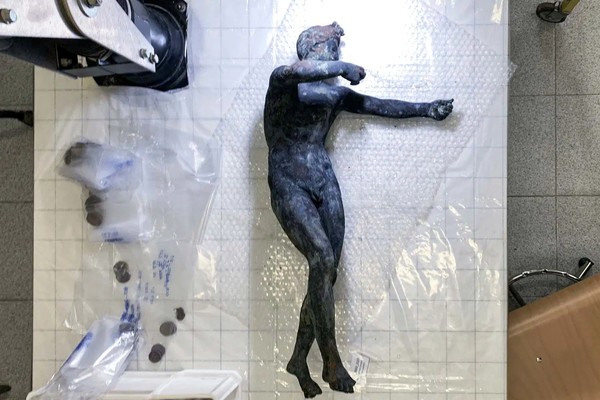
The bronze statues found tell precisely this impossible story. Some bear inscriptions in Etruscan, others in Latin. Some depict Etruscan deities, others Roman. But the most extraordinary discovery is the hundreds of anatomical ex-votos: hearts, lungs, livers, intestines, human limbs modeled in bronze with a precision that reveals surprising medical knowledge.
These organs were not simple votive offerings: they were materialized prayers. A bronze heart deposited in the sacred water was a silent request to the gods to heal the sick heart of the one who prayed. A lung was the hope of breathing without pain again. Every statue, every anatomical fragment was a cry of vulnerability, the recognition that in the face of suffering and the fragility of the body, there were no enemies, only human beings seeking the same thing: life.
There is something profoundly universal in this discovery, something that crosses millennia and cultures. In Korea, Confucian philosophy has always valued Inhwa, harmony in human relations, the ability to coexist despite differences. The sanctuary of San Casciano dei Bagni embodies exactly this principle, millennia before Korea and Rome knew each other.
Thermal waters, in both cultures, have never been considered mere natural resources. They are places of purification, spaces where body and soul reconcile, where the community comes together.
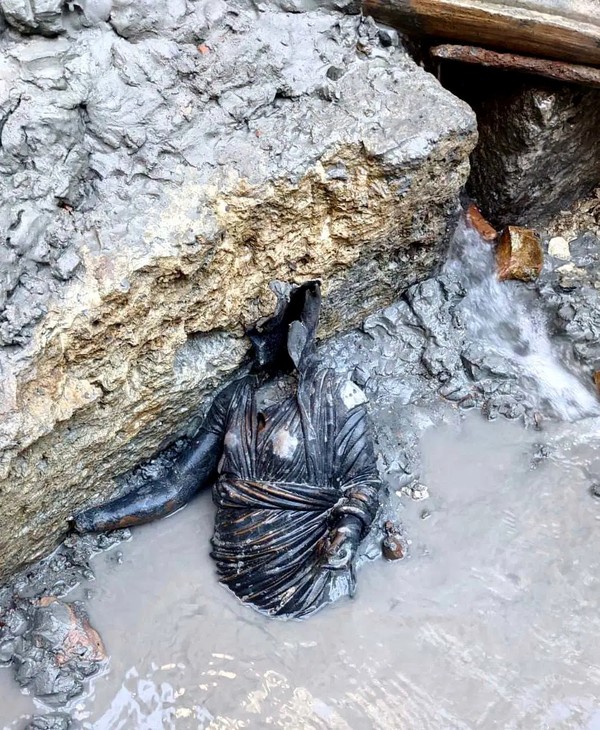
But why did these statues reach us in such a miraculous state? The answer lies in the mud. When a pagan sanctuary was abandoned or destroyed with the advent of Christianity, statues were often melted down to recover the bronze, a precious material. But at San Casciano something different happened. The local community, instead of desecrating the sacred place, seems to have deliberately sealed it, depositing large stone blocks over the statues before the mud covered them forever. It was as if they understood that this place had to be preserved, that the memory of that peaceful coexistence could not be lost.
The mud did the rest. The absence of oxygen prevented oxidation, the hot water maintained a constant temperature that slowed every degradation process, and the mineral sediment formed a protective patina that sealed every detail. The statues emerged from the mud as if they had been deposited yesterday: the folds of the tunics still visible, the expressions on the faces still readable, the inscriptions still perfectly engraved.
Today, the statues of San Casciano dei Bagni are displayed in a museum built specifically to house them, but their true home remains that thermal pool where for centuries they welcomed the prayers of men and women who had everything to lose and everything to hope for.
All this reminds us that true civilization is not measured by the power of armies or the grandeur of monuments, but by the ability to create spaces where humanity can recognize itself beyond divisions. While war raged outside, inside those thermal waters another reality existed, founded on mutual respect and shared vulnerability.

글 ㅣ 레티쟈 데 투리스 Letizia De Turris
이탈리아 살렌토대학교 역사 전공 석사. 고고학 연구원. 이탈리아 레체의 카발리노(2011) 및 로카(2013), 카를로 5세 성(2015) 발굴. 한양대학교 한국어(2023), 동국대학교(2025) 한국어 고급 과정.