

Hungarian Poetry Day and the Symbol of the Parliament

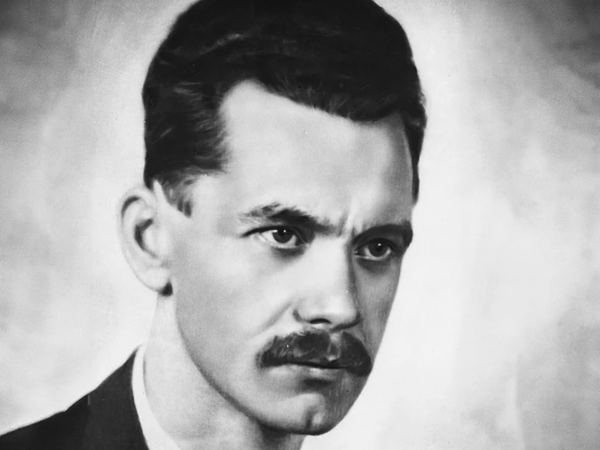
[아츠앤컬쳐] 헝가리에서는 4월이 문학의 달로 널리 알려져 있으며, 매년 4월 11일을 ‘헝가리 시의 날’로 기념하고 있다. 1964년에 제정된 이 날은, 헝가리를 대표하는 시인 어틸러 요제프의 탄생일을 기리는 날이다.
어틸러 요제프(1905~1937)는 샨도르 페퇴피, 야노시 어러니, 엔드레 어디, 미클로시 러드노티와 더불어 헝가리 현대시를 대표하는 시인으로 평가된다. 짧은 생애에도 불구하고 그는 감정적 깊이와 명료한 지성, 그리고 사회에 대한 예민한 감수성을 바탕으로 20세기 헝가리 문학에 지대한 영향을 끼쳤다.
부다페스트의 노동자 계급 가정에서 태어난 요제프는 가난과 고난으로 점철된 어린 시절을 보냈다. 아버지는 그가 아주 어렸을 때 가족을 떠났고, 세탁부였던 어머니는 홀로 세 자녀를 키우느라 고군분투했다. 이러한 결핍과 불안정한 어린시절의 경험은 그의 세계관 형성에 영향을 미쳤으며, 이후 그의 시 전반에 반복적으로 나타나는 중요한 주제가 되었다. 그의 작품은 종종 고독, 사회적 불평등, 사랑, 그리고 인간 삶에서의 조화와 존엄성에 대한 탐구를 다룬다.
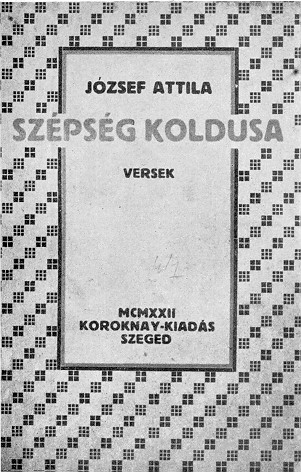
요제프는 어린 시절부터 문학적 재능을 보였으며, 열일곱 살에 첫 시집 『미(美)의 거지(A szépség koldusa)』를 출간했다. 당대 저명한 문인들의 격려 속에 그는 헝가리와 해외에서 학업을 이어갔고, 빈과 파리에서도 수학하며 새로운 철학적·문학적 사조를 접했다. 이러한 경험은 유럽 현대문학의 흐름과 개인적이며 사회의식적인 시선을 결합한 그의 독자적인 시 세계를 형성하는 데 중요한 밑거름이 되었다.
1930년대에 그는 『도시 외곽의 밤(Külvárosi éj)』과 『너무 아프다(Nagyon fáj)』를 비롯한 주요 작품들을 발표했다. 이 시기의 작품들은 인간의 고통에 대한 깊은 공감과 함께, 아름다움과 조화의 가능성에 대한 지속적인 믿음을 보여준다. 오늘날에도 어틸러 요제프의 시는 헝가리 문학에서 가장 널리 읽히고 연구되는 작품들 가운데 하나로 남아 있다.
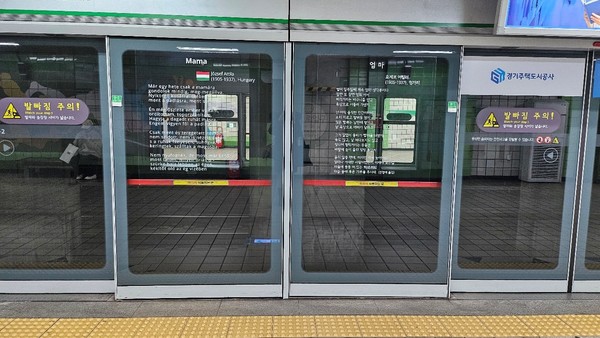
그의 유산은 헝가리 전역은 물론 한국에서도 기념되고 있다. 서울에서는 을지로입구역과 이태원역 등 공공장소에서 그의 시 「엄마(Mama)」와 「여름(Nyár)」을 한국어와 헝가리어로 함께 만날 수 있다.
헝가리에서 가장 잘 알려진 기념물 중 하나는 다뉴브강변 국회의사당 옆에 세워진 어틸러 요제프 동상이다. 강을 바라보며 사색에 잠긴 모습으로 앉아 있는 이 동상은, 흐르는 세상을 응시하는 시인의 내면을 상징적으로 드러낸다. 헝가리의 대표적 국가 랜드마크인 국회의사당 앞에 자리한 이 조형물은 문학, 역사, 문화 정체성 사이의 긴밀한 관계를 상징한다.
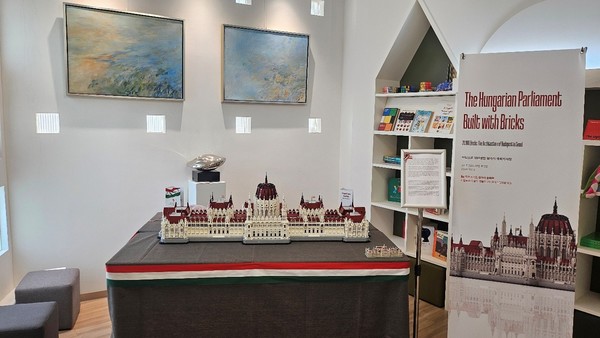
이처럼 시와 국가 유산 사이의 상징적 연결은 주한 리스트헝가리문화원의 현재 전시에서도 이어진다. 관람객들은 젊은 예술가 이정원(B.LIT)이 1만9천 개 이상의 부품으로 제작한 정교한 헝가리 국회의사당 미니어처를 통해, 이 건축물의 웅장함과 이를 재현하기 위한 인내와 장인정신을 동시에 보여준다.
헝가리 국회의사당의 이미지를 서울로 옮겨온 이 전시는, 헝가리를 대표하는 문화적 상징을 직접 마주할 수 있는 특별한 기회를 제공한다. 동시에, 어틸러 요제프의 동상이 헝가리 문학과 문화유산의 영원한 힘을 상기시키는 바로 그 자리를 배경으로 서 있다.

Hungarian Poetry Day and the Symbol of the Parliament
April is widely regarded as the month of literature in Hungary, highlighted by Hungarian Poetry Day, celebrated every year on April 11. Established in 1964, the date commemorates the birth anniversary of one of Hungary’s most influential poets, Attila József.
Attila József (1905–1937) is considered one of the defining figures of modern Hungarian poetry, alongside literary giants such as Sándor Petőfi, János Arany, Endre Ady, and Miklós Radnóti. Despite his short life, his work profoundly shaped 20th-century Hungarian literature through its emotional depth, intellectual clarity, and social sensitivity.
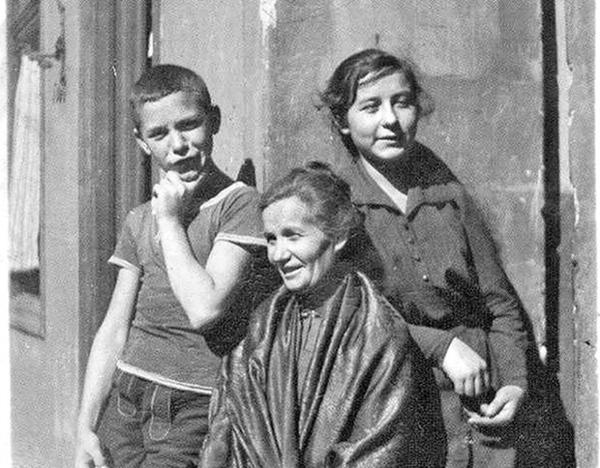
Born in Budapest into a working-class family, József experienced a childhood marked by poverty and hardship. His father left the family when he was very young and his mother, a washerwoman, struggled to raise three children alone. These early experiences of deprivation and instability deeply influenced József’s worldview and became recurring themes in his poetry. His works often explore loneliness, social injustice, love, and the search for harmony and dignity in human life.
József showed literary talent from a young age and published his first poetry collection, A szépség koldusa (Beggar of Beauty), at the age of seventeen. Encouraged by prominent literary figures of the time, he continued his studies in Hungary and abroad, including periods in Vienna and Paris, where he encountered new philosophical and literary influences. These experiences helped shape his unique poetic voice, which combined modern European literary trends with a deeply personal and socially conscious perspective.
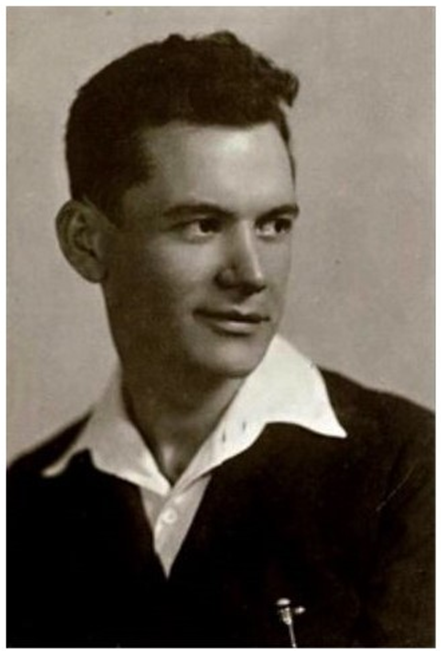
Throughout the 1930s, József produced some of his most significant works, including the collections Külvárosi éj (Night on the Outskirts) and Nagyon fáj (It Hurts Very Much). His poetry from this period reflects both a profound sensitivity to human suffering and a persistent belief in the possibility of beauty and harmony. Today, Attila József’s poems remain among the most widely read and studied works in Hungarian literature.
His legacy is commemorated in many places throughout Hungary—and even in Korea. In Seoul, visitors can encounter his poetry in public spaces such as Euljiro 1-ga and Itaewon subway stations, where his poems Mama and Nyár are displayed in both Korean and Hungarian.
One of the most well-known tributes in Hungary is the statue of Attila József located beside the iconic Hungarian Parliament Building along the banks of the Danube River. The statue portrays the poet seated thoughtfully, gazing toward the river, as if reflecting on the passing world around him. Positioned in front of one of Hungary’s most important national landmarks, the monument symbolizes the close relationship between Hungarian literature, history, and cultural identity.
This symbolic connection between poetry and national heritage resonates with Liszt Institute – Hungarian Cultural Center Seoul’s current exhibition. Visitors are invited to discover a remarkable miniature interpretation of the Hungarian Parliament: a detailed model composed of more than 19,000 pieces, created by young artist Jeongwon Lee (B.LIT). The installation celebrates both the architectural grandeur of the Parliament and the patience and craftsmanship required to recreate such an iconic building.
By bringing the image of the Hungarian Parliament to Seoul, the exhibition offers audiences a unique opportunity to encounter one of Hungary’s most recognizable cultural symbols—standing in the same setting where the statue of Attila József continues to remind visitors of the enduring power of Hungarian literature and cultural heritage.

글 ㅣ 루자 카타린 Katalin Ruzsa
주한리스트헝가리문화원 문화사무관
Liszt Institute - Hungarian Cultural Center Seoul