

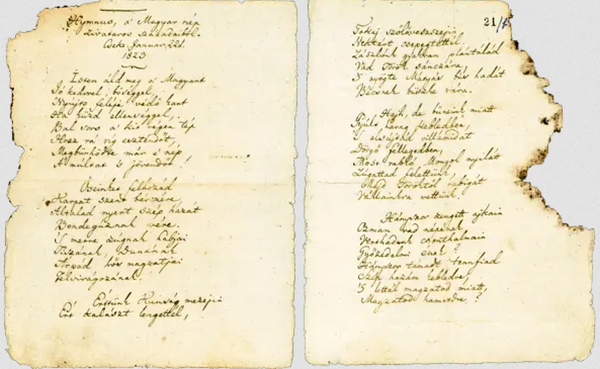
[아츠앤컬쳐] 1월 22일은 헝가리 문화 달력에서 특별한 의미를 지닌 날이다. ‘헝가리 문화의 날’로 기념되는 이 날은, 전 세계의 헝가리인들이 자신들이 공유하는 문화유산과 창조적 전통을 되돌아보는 시간이다. 이 날은 1823년, 시인 페렌츠 쾰체이가 헝가리 국가인 ‘힘누스(Himnusz)’의 가사를 완성한 날을 기념한다. 이 작품은 헝가리 문학사에서 가장 중요한 시로 평가받으며, 20여 년 뒤 페렌츠 에르켈이 곡을 붙이면서 헝가리 민족 정체성의 상징이 되었다.
그러나 헝가리 문화의 날은 단순히 작품이나 기념 행사에 그치지 않는다. 헝가리 전역은 물론 국경 너머에서도 콘서트, 문학 낭독회, 영화 상영, 민속 음악 공연, 공예 워크숍, 전시 등 다채로운 문화 행사가 열린다. 또한 교육·문화·예술 분야에서 가장 권위 있는 시상식이 열리는 날이기도 하다. 이러한 연례 기념 행사는 헝가리 문화 생활의 세대를 넘어 이어지는 연속성과 끊임없이 새롭게 태동하는 능력을 재확인시켜 준다.
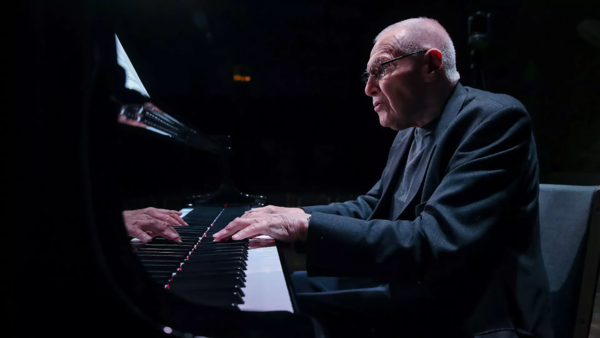
이러한 기념과 재탄생의 정신으로 2026년은 하나의 중요한 국제적 이정표로 이어지는데, 바로 현대 클래식 음악을 대표하는 작곡가 죄르지 쿠르탁(György Kurtág) 탄생 100주년이다. 1926년 2월 19일 루고시(현재 루마니아의 루고이)에서 태어난 쿠르탁은 거의 한 세기에 걸친 유럽 음악사를 아우르는 삶을 살았다. 테메시바르(루마니아어 티미쇼아라)에서의 초기 수학 시절부터, 부다페스트 리스트 페렌츠 음악원에서의 결정적 시기까지—그곳에서 그는 죄르지 리게티와 같은 평생의 예술적 동반자들을 만나게 된다—쿠르탁의 음악 여정은 개인적 고뇌와 창조적 재탄생 속에 형성되었다.
1956년 헝가리 혁명 이후 파리 체류는 그의 삶에 결정적인 전환점이 되었다. 올리비에 메시앙과 같은 작곡가들의 영향, 그리고 예술심리학자 마리안 슈타인의 지도 아래, 쿠르탁은 자신의 음악 세계를 확립하게 된다. 그것은 단편, 침묵, 그리고 극도로 절제된 음형으로 구축된 예술 언어였다. 짧고 응축된 악장들로 구성된 그의 작품은 음악을 감정의 본질로까지 환원시킨다. '카프카 단편'이나 '야테코크'에 수록된 피아노 소품들은 몇 개의 음표만으로도 얼마나 놀라운 표현력을 발휘할 수 있는지를 보여주는 대표적인 예다.
쿠르탁은 1980년대 이후 국제적으로 명성이 높아지며 유럽 주요 음악 기관에서 상주 작곡가로 활동했고, 코슈트상, 에른스트 폰 지멘스 음악상, 그라베마이어상에 이어 최근에는 2024년 볼프상까지 수상하며 수많은 영예를 안았다. 오늘날에도 그는 여전히 현역 창작자로서 존경받고 있으며, 그 음악은 작품성뿐 아니라 인간적 깊이와 지적 엄정함으로 평가받고 있다.
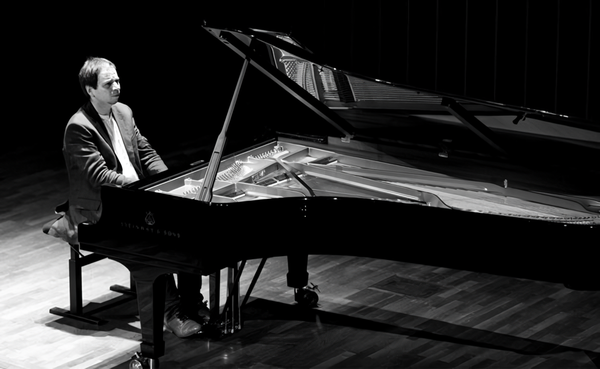
전 세계적으로 진행되는 ‘쿠르탁 100(Kurtág100)’ 기념의 일환으로, 리스트 헝가리 문화원은 2026년 일련의 클래식 음악 공연을 통해 이 위대한 작곡가에게 헌사를 바칠 예정이다. 4월에는 저명한 피아니스트 라슬로 보르벨리가 서울을 찾아, 바로크 초기부터 현대 작품에 이르기까지 폭넓은 레퍼토리를 선보이는데, 그 중에 쿠르탁이 그에게 헌정한 작품들도 포함된다. 이어 10월에는 뛰어난 기교와 국제적 활동, 역동적인 음악 세계로 주목받는 헝가리의 젊은 피아니스트 알렉산드라 발로그가 무대에 오른다.
이러한 공연을 통해 한국의 관객들은 죄르지 쿠르탁을 역사적 인물이 아닌 살아 있는 존재로 마주하게 될 것이다. 그의 음악은 단편과 침묵, 그리고 시대를 초월한 강렬함으로 여전히 우리에게 말을 걸어오고 있다.

Tradition, Memory, and Modernity: Hungarian Culture in the Kurtág Centenary Year
January 22 holds a special place in the Hungarian cultural calendar. Celebrated as the Day of Hungarian Culture, it is a moment when Hungarians around the world pause to reflect on their shared heritage and creative legacy. The date commemorates the day in 1823 when poet Ferenc Kölcsey completed the lyrics of the Himnusz, Hungary’s national anthem—arguably the most significant poem in Hungarian literature. Its music, composed two decades later by Ferenc Erkel, would become a defining symbol of national identity.
Yet the Day of Hungarian Culture is far more than a single work or ceremony. Across Hungary and beyond its borders, the occasion is marked by concerts, literary readings, film screenings, folk music performances, craft workshops, and exhibitions that celebrate the richness of Hungarian artistic expression. It is also the day when some of the country’s most prestigious awards in education, culture, and the arts are presented. These annual commemorations reaffirm the continuity of Hungarian cultural life and its ability to renew itself across generations.
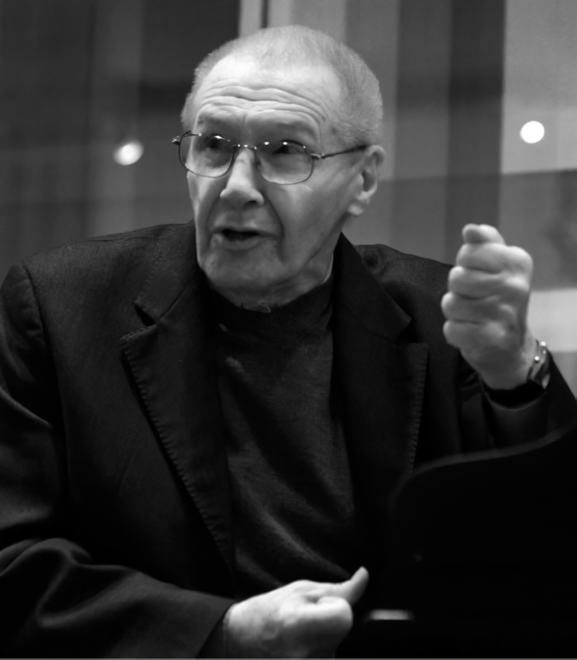
This spirit of remembrance and renewal continues into 2026 with a major international milestone: the 100th anniversary of the birth of György Kurtág, one of the most influential figures in contemporary classical music. Born on February 19, 1926, in Lugos (Lugoj in Romanian), Kurtág’s life and work span nearly a century of European musical history. From his early studies in Temesvár (Timișoara, in Romanian) to his formative years at the Liszt Ferenc Academy of Music in Budapest—where he forged lifelong artistic relationships with figures such as György Ligeti—Kurtág’s path was shaped by both personal struggle and creative reinvention.
A crucial turning point came during his stay in Paris following the 1956 Hungarian uprising. There, under the influence of composers like Olivier Messiaen and the guidance of art psychologist Marianne Stein, Kurtág developed the artistic language that would define his career: one built from fragments, silences, and the smallest musical gestures. His works, often composed of brief, concentrated movements, reduce music to its emotional essence. Pieces such as Kafka Fragments or the miniature piano works from Játékok demonstrate how a few notes can carry extraordinary expressive weight.
Kurtág’s international recognition grew steadily from the 1980s onward, leading to residencies at major European institutions and a long list of prestigious awards, including the Kossuth Prize, the Ernst von Siemens Music Prize, the Grawemeyer Award, and most recently the 2024 Wolf Prize. Even today, Kurtág remains an active creative force, revered not only for his compositions but for the humanity and intellectual rigor they embody.
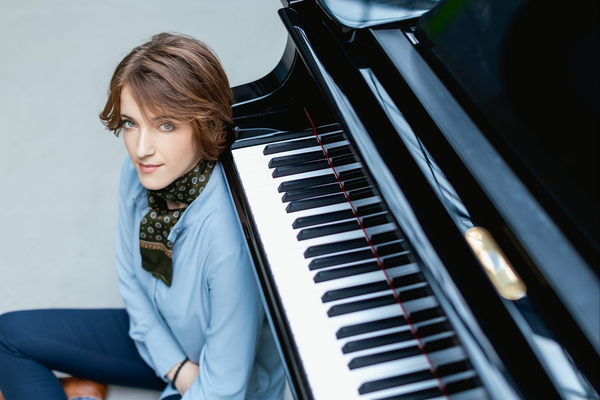
As part of the global Kurtág100 commemorative year, Liszt Institute Seoul will pay tribute to the composer through a series of classical music events in 2026. In April, acclaimed pianist László Borbély will perform in Seoul, bringing with him a repertoire that bridges centuries—from early Baroque music to contemporary works, including compositions dedicated to him by Kurtág himself. Later in October, audiences will welcome Alexandra Balog, one of Hungary’s most exciting young pianists, celebrated for her virtuosity, international career, and dynamic artistic vision.
Through these performances, Korean audiences will have the opportunity to encounter the legacy of György Kurtág not as a distant historical figure, but as a living presence—one whose music continues to speak through fragments, silence, and timeless intensity.

글 ㅣ 루자 카타린 Katalin Ruzsa
주한리스트헝가리문화원 문화사무관
Liszt Institute - Hungarian Cultural Center Seoul