

Riesling Wine from the Rhine River
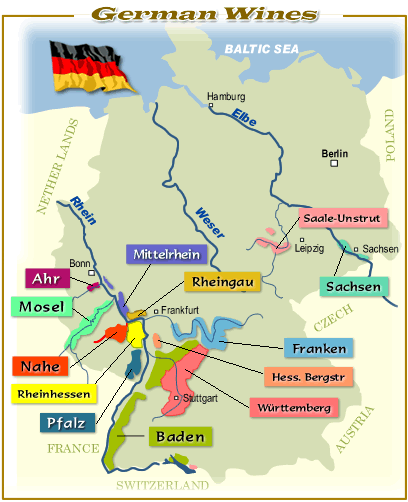
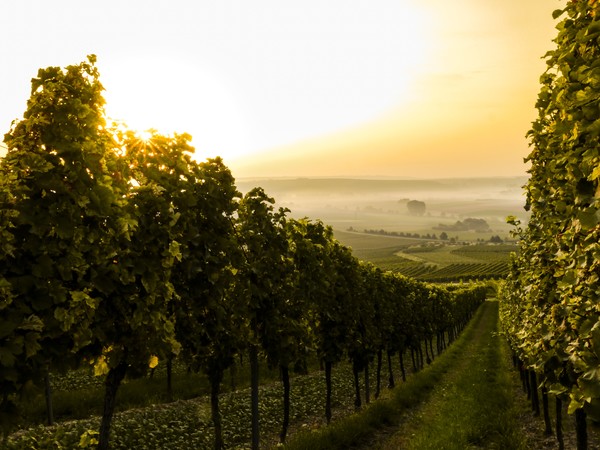
[아츠앤컬쳐] 독일의 포도 재배는 매력적인 도전이다. 독일의 포도밭은 북위 49~50도 사이, 자연적으로 포도가 익을 수 있는 북방 한계선에 위치한다. 이러한 추운 기후는 매력적인 특성을 지닌 독일 와인에 아무런 장애가 되지 않는다. 하지만, 포도가 익기 위해서는 태양열이 필요하기 때문에 독일의 포도밭은 일반적으로 강 계곡을 따라 남쪽, 서쪽 또는 동쪽 비탈에 조성된다.
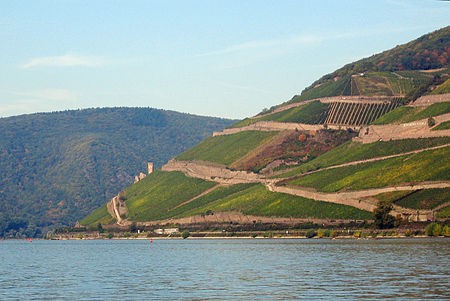
라인가우의 지형은 독특한데, 헤세의 수도인 비스바덴을 중심으로 북쪽으로 흐르는 라인강이 서쪽으로 약 30km를 우회하다가 다시 북쪽으로 흐른다. 대부분의 포도밭은 타우너스 산맥의 숲이 차가운 북풍을 막아주는 강 오른쪽과 남쪽 둑으로 햇볕이 좋은 곳에 있다.
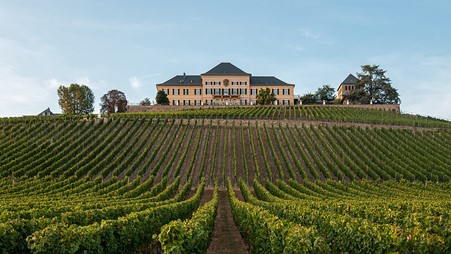
고대로마시대 이래로 라인과 독일 전역에서 포도가 재배되었는데, 수세기 후에 위대한 샤를마뉴 황제(748~814 AD)가 라인강 계곡을 따라 포도나무를 가져왔다는 전설이 있다. 중세 초에 샤를마뉴가 비스바덴 인근의 12세기 베네딕토회 수도원(현재의 슐로스 요하니스베르크)에 최초의 포도원을 만들도록 허락했는데 이곳은 후에 양조장이 되었다. 오늘날에도 여전히 유명한 라인가우 포도원은 수도원과 교회가 주요 와인 생산지였던 이 시대(11~12세기)부터다.
라인강 지역을 대표하는 포도는 리슬링이다. 리슬링 포도를 재배한 후 첫 생산은 1402년 독일 도시 보름스에서, 그리고 이후에는 위에서 언급한 베네딕토회 수도원이자 현재 라인가우의 와이너리인 슐로스 요하니스베르크에 최초의 리슬링 포도밭이 만들어진 1435년으로 본다.
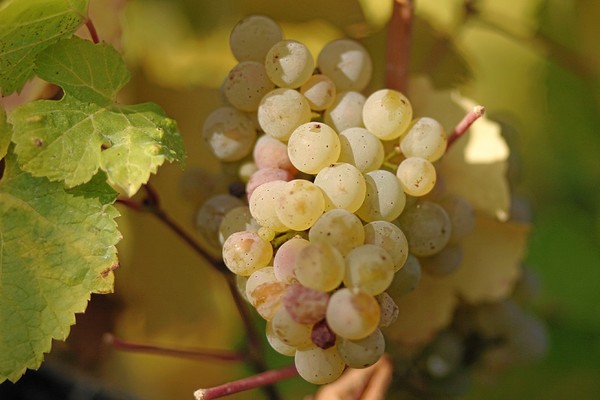
리슬링은 산도가 높으면서도 꽃향을 가진 향기로운 백포도이다. 이 포도나무는 독일의 모젤 강 유역과 팔츠 와인 지역에서도 발견된다. 리슬링은 초록색이 비치는 밀짚 노란색의 와인이다. 그 꽃은 복숭아와 살구가 살짝 스민 과일향을 띤다. 리슬링 와인은 일반적으로 같은 이름의 포도로만 만들어진다.
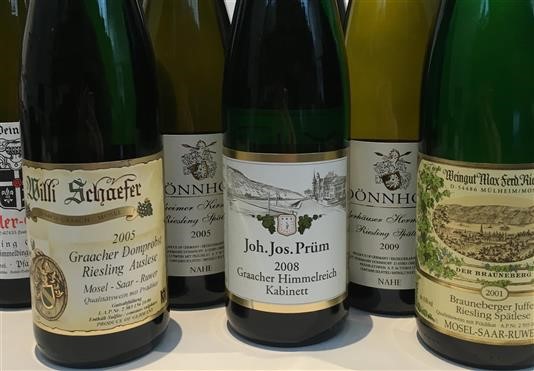
단맛과 산미의 균형이 좋아서 생선 소스를 곁들인 파스타, 삶거나 구운 생선, 수프, 야채, 흰살코기, 초밥, 매운 아시아 음식 등 다양한 음식과 다 잘 어울린다. 스위트 리슬링 와인은 푸아그라, 푸른 치즈, 페스트리와 잘 어울린다. 드라이 리슬링 와인은 10~12℃로, 스위트 리슬링 와인은 8~10℃가 적정 온도이다.
Riesling Wine from the Rhine River
Viticulture in Germany is a fascinating challenge. German vineyards are generally located between 49 to 50 degrees of north latitude, namely some of the most northerly in the world, to the extreme limit where the grapes can reasonably ripen. The cold northern climate, however, far from being a problem is what gives German wines their charming character.
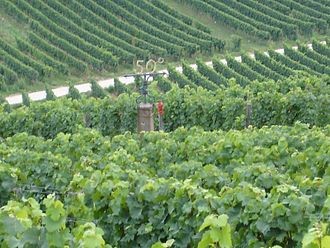
But given that the grapes need the sun to ripen, vineyards in Germany are usually planted along river valleys, placed on south, west, or east-facing slopes in order to receive heat from every ray of sunlight. One of the renowned German wine regions is that of the Rhine River, “Rheingau” in German.
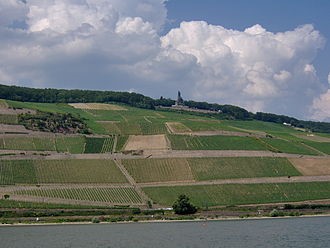
The geography of the Rheingau is peculiar. Along its northward flow, the Rhine River detours west for about 30 km around the city of Wiesbaden, the capital of Hesse, before it flows north again. And it’s here, on the river right and south-facing bank that almost all the vineyards extend, exposed to sunlight and sheltered from the cold northern winds by the forested Taunus Mountains.
Viticulture in present-day Rhine wine region, as well as throughout Germany, dates to ancient Roman times. Centuries later, a legend has it that Charlemagne brought vines along the Rhine River valley. The great emperor of the early Middle Ages (748~814 AD) let the first vineyards be planted in the area close to the current Schloss Johannisberg, a XII century Benedictine monastery nearby Wiesbaden which later became a winery. The Rheingau vineyards still famous today date back to this period (XI~XII century AD), when monasteries and churches were the main wine producers.
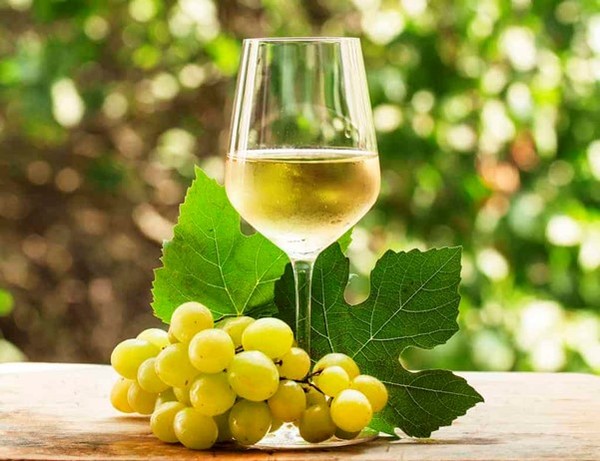
The leading grape of the Rhine River region is Riesling. The first evidence of the cultivation of Riesling grapes refers to 1402, in the German city of Worms and later to 1435, when the first Riesling vineyards were planted at the Schloss Johannisberg, the abovementioned Benedictine monastery and current winery in the Rheingau. Riesling is a white grape with a flowery, perfumed aroma, as well as high acidity.
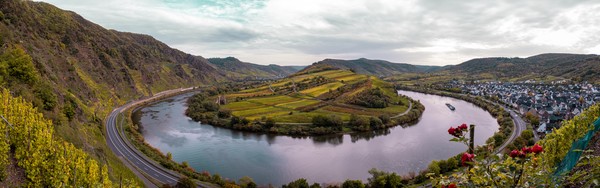
The vines of this grape are also found elsewhere in Germany, along the banks of Moselle River and in the Palatinate wine region. Riesling is a straw yellow colored wine with greenish reflections. The bouquet is fruity with hints of peach and apricot. Riesling wines are usually made only with the grapes of the same name.
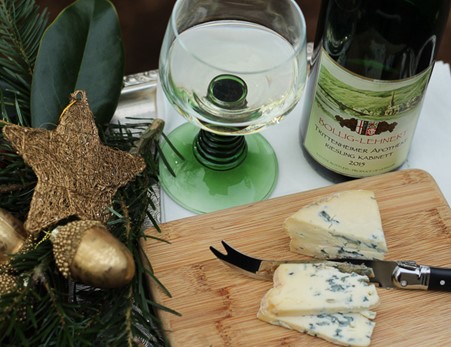
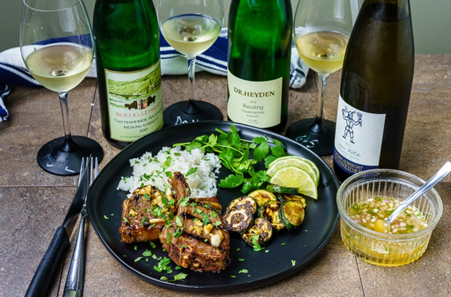
Due to the balance of sweetness and acidity, these wines pair with various food: pasta with fish sauces, boiled or grilled fish, soups, vegetables, white meats, sushi and spicy Asian foods. Sweet Riesling wines match with foie gras, blue cheeses and pastries. Dry Riesling wines are served at 10~12℃. while sweet Riesling wines at 8~10℃.

글 | 에밀리아노 펜니지 Emiliano Pennisi
Sogang University lecturer of Italian language, Wine scholar and expert, He attended sommellier courses in Italy