

Port Wine
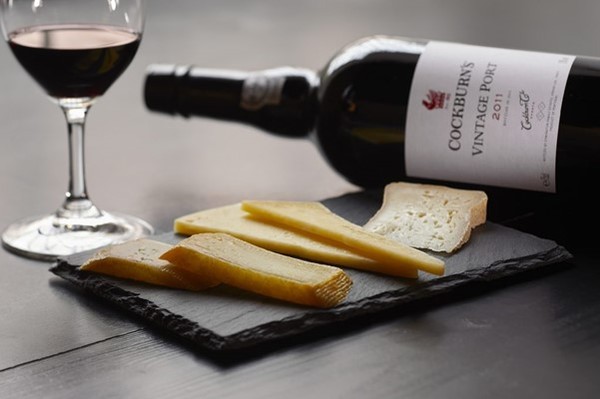
[아츠앤컬쳐] 모든 포르투갈 와인 중에서 가장 널리 알려진 와인은 아마도 포르투 와인일 것이다. 그러나 오늘날 이 와인이 세계에서 가장 높이 평가되는 와인 중 하나가 된 것은 18세기부터 시작된 영국의 영향 때문이다. 하지만 훨씬 더 과거로 거슬러 올라가 보자.
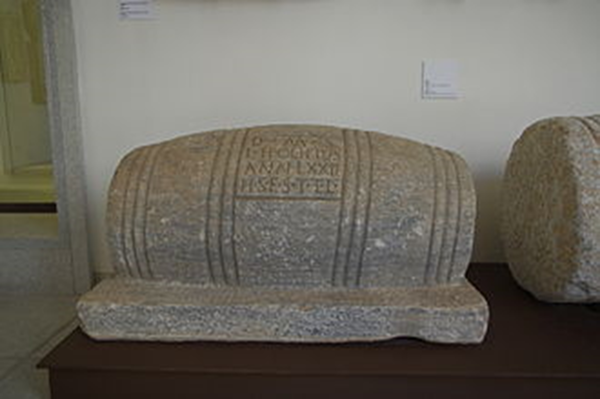
오늘날 스페인과 포르투갈 지역인 이베리아 반도에서 와인의 역사는 수천 년에 이른다. 고대 페니키아인들은 기원전 10세기 경부터 중동의 포도 품종과 포도주 양조 기술을 가져와 타구스강을 따라 포도밭을 만들었다.
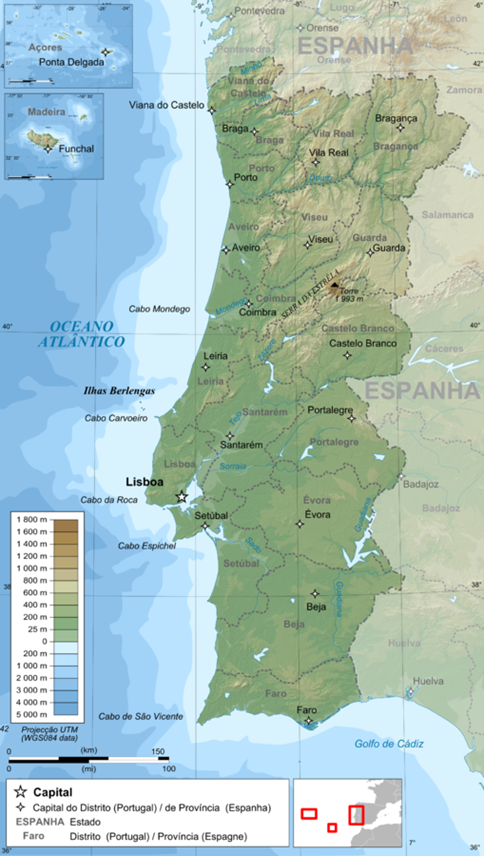
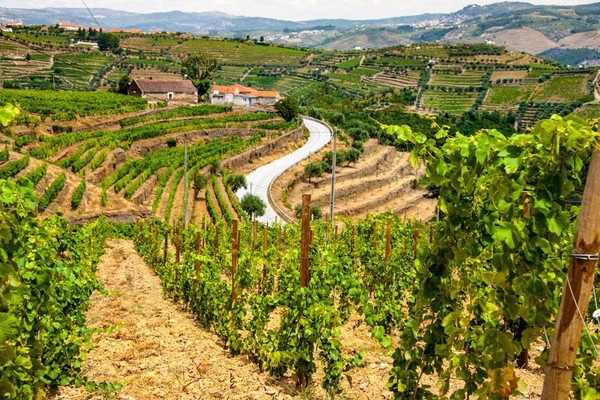
기원전 7세기에 그리스인들 역시 타구스강 유역에 정착하여 포도를 재배하였고, 훗날 로마인들도 이베리아 반도에 이르러 로마 신화 속 술의 신의 아들 루수스의 이름을 따서 “루시타니아”라고 명명했다. 로마인들은 이베리아 내륙과 북쪽으로 나아가 포도밭을 조성하고 제국 말기에 도우루강까지 확장했다. 이들은 이 지역 와인의 달콤한 맛을 좋아했지만 오늘날의 포르투 와인과 같이 만들지는 못했다.
영국이 포르투갈에 진출하기까지 수세기가 흘렀고 여기서 우리는 이야기의 시작으로 돌아간다. 와인 작가 카렌 맥닐은 “포르투갈이 포르투 와인의 어머니라면 영국은 확실히 아버지”라고 언급할 정도로 양국의 관계는 밀접하다. (1)
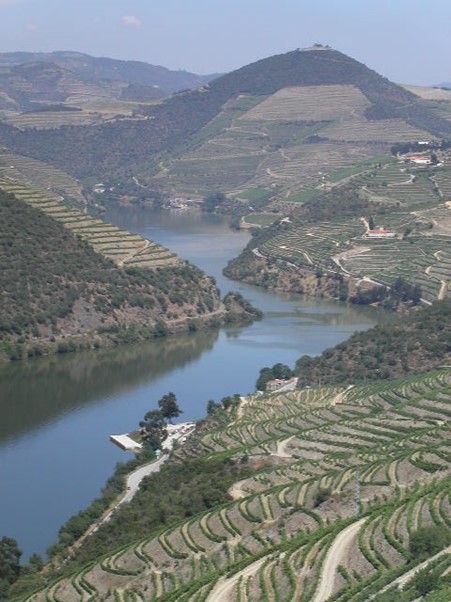
포르투 와인의 기원에 관한 많은 이야기가 있지만 가장 널리 알려진 것 중 하나는 1678년 리버풀의 한 와인 상인이 포르투 시 근처의 포르투갈에 보낸 두 명의 조수 이야기다. 두 사람은 영국행 배에 실을 새 와인을 찾고 있었고 머무는 동안 도우루강을 따라 라메고 마을에 있는 수도원을 방문하게 되었다. 그들은 수도원 원장의 환대를 받으며 전에 본 적이 없는 포도주를 맛보게 되었다.
수도원장은 와인을 발효시키는 동안 와인 맛을 세게 하기 위해 약간의 브랜디를 첨가했는데, 이것은 수 세기 동안 내려온 비법 이었다. 그 결과, 와인은 매우 알코올 도수가 높고 놀라운 수준의 단맛을 품게 된 것이다. 이 와인을 가져간 영국 상인들은 영국에서 판매에 크게 성공하게 된다.
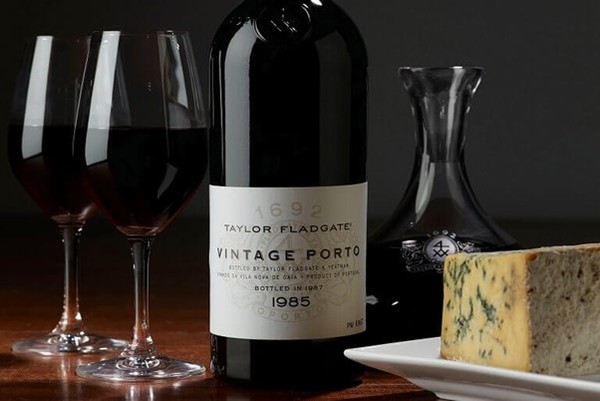
포르투 와인은 포르투갈어로 “Vinho do Porto”로 포르투갈 북부 도우루강 계곡에서 생산되는 레드와인이다. 보통 와인보다 달콤하고 알코올 도수가 높은 포르투 와인은 15~20℃ 사이에서 식후 디저트 와인으로 치즈, 견과류, 초콜릿과 함께 제공되며, 식전주로도 아주 좋다.
(1) 카렌 맥닐, “The Wine Bible”, Workman 출판 – 뉴욕, 2012
Port Wine
Of all Portuguese wines, probably the most easily recognizable is Port. However, if today this wine is among the most appreciate in the world, it is due to the influence that the British have had in the history of Portuguese wine starting from the 18th century. But let’s go briefly much further back in time.
Wine has been made in the Iberian Peninsula home to the modern Spain and Portugal for thousands of years. Ancient peoples, as the Phoenicians, are believed to have cultivated vineyards along the Tagus River around the 10th century BC, bringing with them grape varieties and winemaking techniques from the Middle East.
The Greeks settled along the same area of the Tagus River in the 7th century BC, spreading viticulture there, and later the Romans arrived in the Iberian Peninsula, naming the present-day Portugal “Lusitania” after Lusus, the son of the Roman god of wine Bacchus.
The Romans planted vineyards further north and Iberic inland, reaching the river Douro at the end of their Empire. Even if they appreciated the sweet taste of the wines of this region, they did not know how to make a wine like the modern Port.
Many centuries passed before the British entered the Portuguese scene and here, we return to the beginning of the story. The relationship between the two countries is so close that wine writer Karen MacNeil notes “if Portugal is the mother of Port, Britain is certainly the father”. (1)
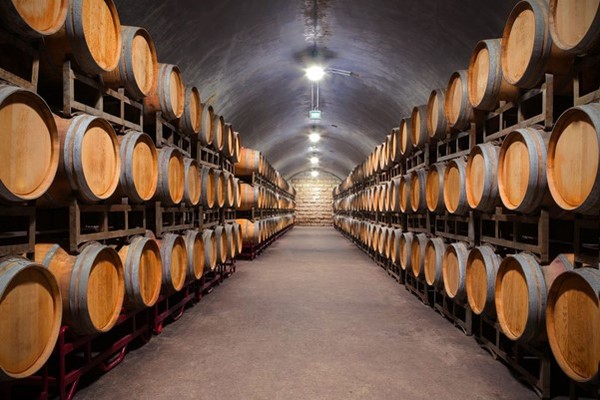
While there are many stories regarding the origin of Port wine, one of the most widespread is that in 1678 a wine merchant from Liverpool sent two of his assistants in Portugal, nearby the city of Porto. The two men were looking for new wines to ship to England and during their stay, they visited a monastery in the town of Lamego, along the Douro River. The abbot of this monastery treated them kindly and made them taste a wine that they had never seen before.
The abbot had added some brandy to his wine to fortify it during the fermentation, while usually to fortify wines, brandy had been added after the fermentation for centuries. In this way his wine was very strong, alcoholic, with a remarkable level of sweetness, and the English merchants succeeded in selling it successfully in England.
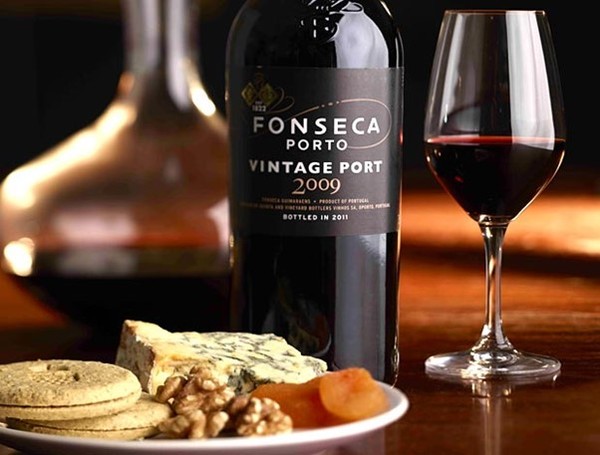
Port, in Portuguese “Vinho do Porto”, is a sweet fortified red wine produced, as it once was, in the Douro River valley, northern Portugal. Sweeter and higher in alcohol than usual wines, Port is commonly served after meals as dessert wine, at between 15~20 ‘C, paired with cheese, nuts and chocolate. Very good also as aperitif.
(1) Karen MacNeil, “The Wine Bible”, Workman Publishing – New York, 2012

글 | 에밀리아노 펜니지 Emiliano Pennisi
Sogang University lecturer of Italian language
Wine scholar and expert
He attended sommellier courses in Italy