

Verdicchio dei Castelli di Iesi
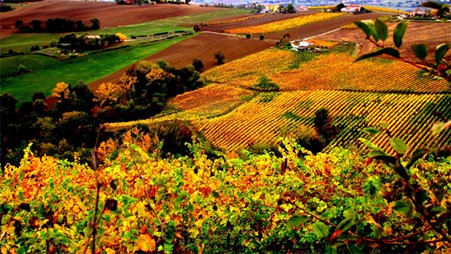
[아츠앤컬쳐] 피체니족은 로마인들이 그들의 영토를 정복한 기원전 9세기~3세기에 오늘날의 이탈리아 마르케 지역에 살았던 고대 민족이다. 이 오랜 기간, 피체니족은 베르디키오의 조상이 되는 포도를 사용하여 포도주를 만들었다. 오늘날의 마르케 마을 마텔리카에 있는 한 왕자의 무덤에서 포도주를 마시는 데 사용된 많은 포도씨와 도자기 병이 발견되었다. 대 플리니우스, 마르쿠스 테렌티우스 바로 및 대 카토와 같은 저명한 로마 작가들이 그들의 작품에서 피체니 포도주를 언급했듯이 로마시대에도 이 땅에는 많은 포도원이 있었을 것이다.
우리가 유럽 와인에 대해 종종 말했듯이, 서기 5세기 동안 로마제국의 붕괴와 함께 포도주 재배는 보통 소규모의 포도원에서 거의 가족의 생계를 위해 생산하는 위기의 시기를 겪었다. 원래 켈트족이었다가 로마인에 의해 재건된 현재의 마르케 마을 예지를 포함한 많은 작은 마을들은 나중에 ‘성’을 뜻하는 이탈리아어 ‘카스텔리’라고 불리는 성벽으로 그들의 영토를 방어했다.
사회 생활이 전반적으로 재탄생한 중세시대에 이르러, 이 작은 마을들에서 자주 열렸던 박람회와 시장 덕분에 음식과 포도주 거래가 재개되었다. 더불어 가톨릭수도원들은 버려진 땅을 개간하여 포도밭을 만드는 등 중요한 역할을 했다.
시간이 흐르며, 마르케의 와인은 16세기의 다양한 여행 연대기에서 “이탈리아 반도의 모든 화이트와인 중에서 그 밝은 색, 과일 향에 기분 좋은 맛”으로 묘사되었다. 그리고 정확히 16세기에 마르케 포도주를 “베르디키오”라고 언급한 최초의 믿을 만한 자료가 발견되었다: 바로 1557년의 농업 에세이와 1579년의 공증 문서이다.
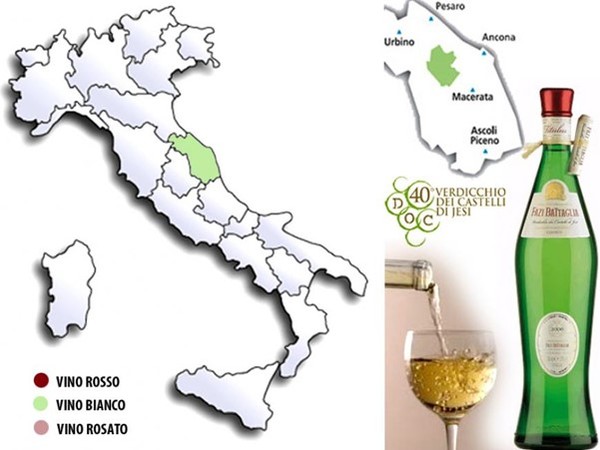
베르디키오 데이 카스텔리 디 예지는 유럽 역사에 중요한 인물인 황제 프리드리히 2세 (1194~1250)의 출생지인 예지 마을 주변의 마르케 지역 22개 마을의 구릉지에서 85% 이상의 베르디키오 포도로 만들어졌다.
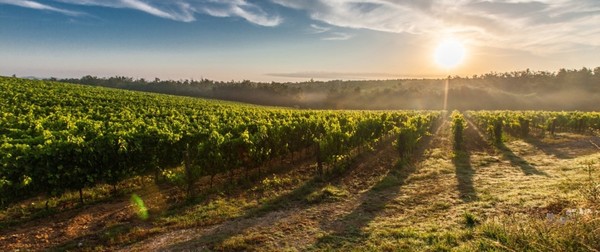
베르디키오는 이탈리아어로 ‘녹색’을 의미하는 ‘베르데’를 떠올린다. 옅은 노란 밀짚색에 녹색을 띠는 와인으로, 지속적인 신선한 과일 향과 쓴 아몬드 향이 은은하게 배어 있다. 그 맛은 드라이하고 세련되며, 조화롭고 기분 좋게 쓴 뒷맛이 있다. 베르디키오 데이 카스텔리 디 예지는 생선 파스타, 해산물 전채 요리, 해산물 리조또, 페스토 소스 파스타, 초밥, 구운 생선과 잘 어울린다. 또한 트러플, 닭고기, 칠면조 고기와 함께 마시면 좋다.
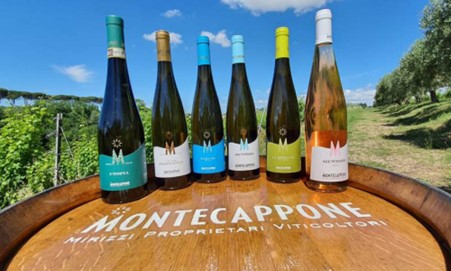
Verdicchio dei Castelli di Iesi
The Piceni were an ancient people who lived in the area of today’s Italian region of Marche between the ninth and the third century BC, when the Romans conquered their territory. In this long period of time, the Piceni made wine using a grape that may have been an ancestor of Verdicchio, as can be seen in the tomb of one of their princes in today’s Marche town of Matelica, where many grape seeds and pottery vases used for drinking wine were found.
There must have been many vineyards in these lands still in Roman times as illustrious Roman writers such as Pliny the Elder, Marcus Terentius Varro and Cato the Elder mentioned the Piceni wine in their works.
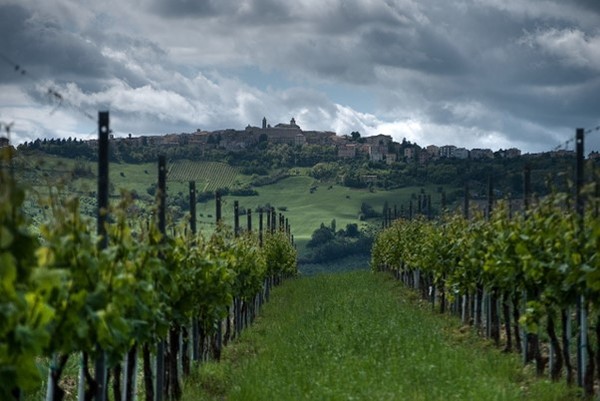
As we often said about European wines, with the breakup of the Roman Empire, during the fifth century AD, viticulture experienced a period of crisis in which vineyards were usually located on small plots of land and wine was made almost only for family sustenance.
Many small towns, including the current Marche town of Iesi, originally Celtic and then rebuilt by the Romans, defended their territory with walls later called in Italian “Castelli”, like the English word for “castles”.
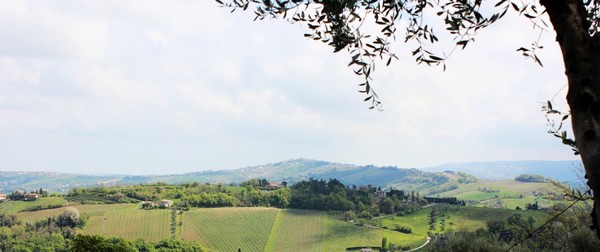
During the Middle Ages, in a time of general rebirth of social life, food and wine trade resumed in these small towns, also thanks to the fairs and markets that were frequently held there. Furthermore, Catholic abbeys played an important role, recovering abandoned lands and planting vineyards where possible.
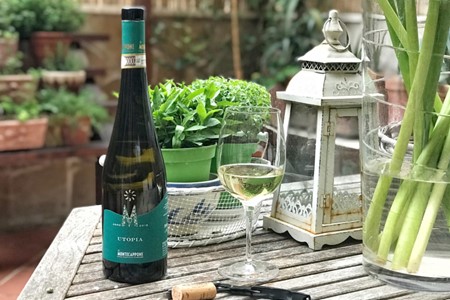
Over time, wines of the Marche region were described in various travel chronicles of the sixteenth century as “the best of all white wines in the Italian peninsula, for its light color, the fruity aroma and pleasant taste”.
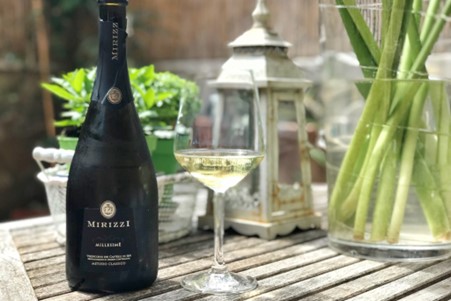
And precisely in the sixteenth century, the first reliable sources mentioning the Marche wine as “Verdicchio” are found: an essay of agriculture dated 1557 and a notarial deed dated 1579.
Verdicchio dei Castelli di Iesi is made with at least 85% Verdicchio grapes in the hilly areas of the twenty-two villages in the Marche region that keep the ancient name of Castelli, and which are scattered around the town of Iesi, the birthplace of the emperor Frederick II Hohenstaufen (1194~1250), an important character in European history.
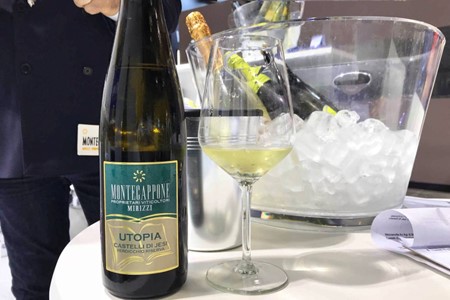
Verdicchio recalls the Italian word “verde” meaning “green”. It is a wine with a pale straw yellow color and greenish hues, a delicate aroma with a persistent fragrance of fresh fruit and hints of bitter almonds. The taste is dry, refined, harmonious, with a pleasantly bitterish aftertaste.
Verdicchio dei Castelli di Iesi matches with fish-based pasta, seafood appetizers, seafood risotto, pesto sauce pasta, sushi, roasted and grilled fish. Also, good paired with truffles, chicken and turkey meat.

글 | 에밀리아노 펜니지 Emiliano Pennisi
Sogang University lecturer of Italian language
Wine scholar and expert
He attended sommellier courses in Italy