

Ukraine’s New Year Begins with Malanka
— A Night of Laughter and Tradition That Marks a Different Kind of Beginning
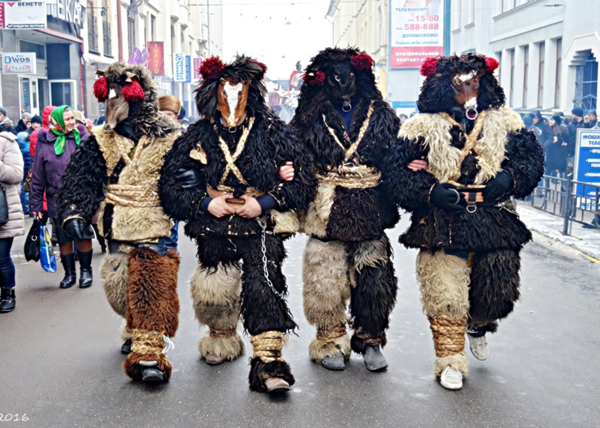
[아츠앤컬쳐] 새해를 맞이하는 1월, 우크라이나 서부의 산악 마을들은 색다른 방식으로 한 해를 여는 준비를 한다. 1월 13일 밤, 이들은 오랜 전통을 따라 ‘말란카(Malanka)’라 불리는 축제를 열고, 노래와 춤, 유머와 가면극으로 그들만의 새해 인사를 전한다.
말란카는 고대 슬라브 신화 속 자연의 생명력과 재생을 상징하는 여신 멜라니아(Melania)에서 연유하며 매년 새로운 시간을 불러온다는 믿음을 담고 있다. 오늘날 말란카 축제는 이러한 상징들을 민속극 형태로 재현하며, 율리우스력 기준으로 새해 전날인 1월 13일 밤에 시작하여 14일 ‘구정 신년(Old New Year)’로 이어진다. 이틀 동안 사람들은 자신의 정체성과 공동체의 연대를 확인하며 새해를 맞는다.
축제의 핵심은 사람들이다. 주민들은 전통 복장을 갖추고 트럼펫, 드럼, 아코디언 등 민속 악기를 든 밴드와 함께 거리로 나선다. 집집마다 찾아다니며 축복의 노래를 부르고, 짧은 연극을 선보이며 웃음을 나눈다. 이 모든 행렬은 단순한 퍼레이드가 아니라, 마을 사람들 사이의 관계를 다시 잇고, 공동체의 기운을 새롭게 불어넣는다.
지역마다 전통이 다양한데, 체르니우치주의 허친, 바쉬키우카, 베레흐메트와 같은 마을의 말란카는 각기 다른 방식이다. 바쉬키우카에서는 특히 시대를 풍자하는 요소가 강한데, 전통적 복장과 함께 슈퍼히어로나 정치인, 외계인 등의 분장을 하고 나타나, 마을 전체가 하나의 거대한 유머극장이 된다. 웃음을 넘어 시대를 살아가는 이들의 통찰과 비판, 낙관을 담고 있다. 베레흐메트에서는 곰과 염소로 분장하고 등장해 자연의 생명력과 풍요를 상징하는 퍼포먼스를 펼치는데, 이는 오랜 농경사회의 상징이다.
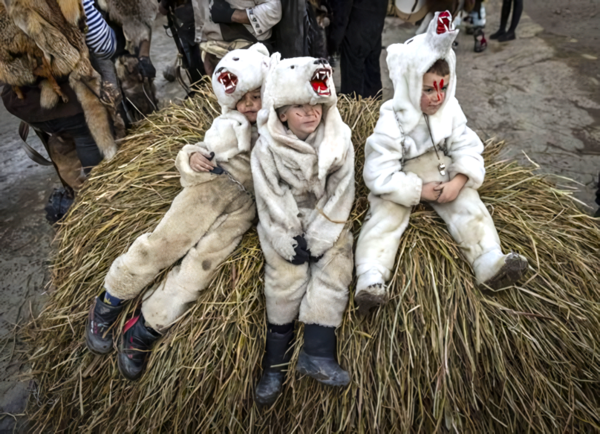
말란카의 퍼포먼스 속에는 다양한 캐릭터들이 존재한다. 곰은 자연의 힘과 재생을, 염소는 풍요를, 악마는 지나간 해의 고통과 불운을 상징한다. 신부와 신랑은 삶의 순환과 탄생, 군인과 의사는 공동체가 직면한 현실을 대변하거나 풍자하는 역할을 한다. 재미있는 것은 대부분 남성들이 여성 역할까지 모두 연기했는데, 이는 중세 유럽 전통 민속극의 흐름과 유사한 양식이다. 물론 오늘날에는 여성들도 적극 참여하고 있다.
전쟁과 정치적 혼란 속에서도 말란카는 사라지지 않았다. 2022년 이후 전면전 상황에서도 많은 마을은 규모를 줄이거나 온라인으로라도 이 전통을 이어가려 노력했고, 키이우에서는 도시형 말란카 페스티벌이 열려 수도 시민들에게도 이 문화가 소개되고 있다. 청년들은 TikTok이나 Instagram 같은 플랫폼을 통해 자신들의 분장을 공유하고, 새로운 방식으로 전통을 재해석해나가고 있다. 과거의 의식이 오늘의 감각과 연결되며, 말란카는 고정된 유산이 아니라 변주되는 문화로서 여전히 생명력을 지닌다.
그들에게 이 축제는 슬픔과 고통을 함께 넘기 위한 장치이자, 공동체가 웃음을 잃지 않기 위한 생존 방식이다. 말란카의 가면 속에서 우리 괜찮다고, 아직 함께 있다고, 새해에도 여전히 살아 있다고 말한다. 이들의 몸짓은 공동체의 상처를 감싸고, 그 속에서 사람들은 다시금 서로의 존재를 확인한다. 이제 말란카는 우크라이나의 국가문화유산으로 지정되어 유네스코 무형문화유산 등재를 위한 논의도 활발하다.
1월초, 우크라이나의 마을 골목에서는 악기 소리와 웃음이 흘러나온다. 곰이 걷고, 악마가 춤추고, 신랑과 신부가 농을 주고받는 그 모습은 마치 오래된 민속화 속 장면 같지만, 그 안에는 분명히 지금의 이 시간을 살아가는 우크라이나인들의 숨결이 녹아 있다.
Ukraine’s New Year Begins with Malanka
— A Night of Laughter and Tradition That Marks a Different Kind of Beginning
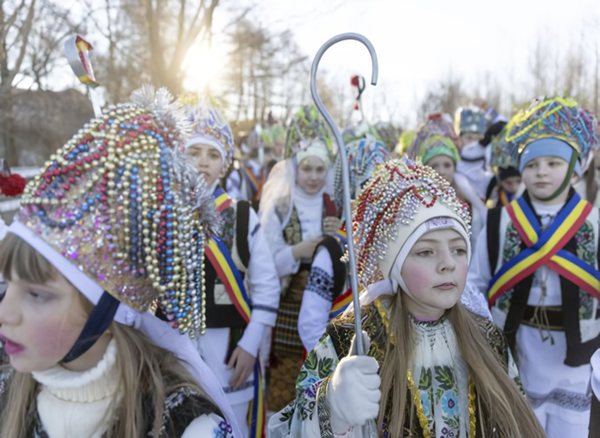
While most of the world quietly embraces the arrival of a new year in January, the mountain villages of western Ukraine prepare for the season in a very different spirit. On the night of January 13th, they celebrate an age-old tradition called Malanka— a festival of music, masks, dancing, and laughter, where people greet the new year in their own theatrical and communal way.
The roots of Malankatrace back to ancient Slavic mythology, particularly to the goddess Melania, who symbolizes nature's rebirth and vitality. Believed to bring a renewal of time each year, she became the spiritual source of this celebration. According to the Julian calendar still followed by the Orthodox Church, the night of January 13 marks New Year's Eve, with the next day, January 14, known as the “Old New Year.” Over these two days, people reaffirm their identities and bonds as a community while welcoming a new beginning.
At the heart of the festival are the people. Dressed in traditional garments and carrying instruments like trumpets, drums, and accordions, villagers form musical processions and move from house to house. They sing blessings, act out playful skits, and share joy and satire with neighbors. It’s more than a parade — it’s a social ritual that stitches back together the ties between villagers and breathes fresh energy into the life of the community.
Each region of Ukraine interprets Malankadifferently. In villages like Hutsul, Bashkivtsi, and Velykyi Bereznyi in the Chernivtsi Oblast, the styles and customs vary. In Bashkivtsi, the celebration is rich in satire. Alongside traditional costumes, people dress as superheroes, politicians, and aliens, turning the village into a giant theater of humor. But this laughter isn’t frivolous — it’s a way of reflecting on their times, offering critique, and finding optimism amid challenges. In Velykyi Bereznyi, performers dressed as bears and goats take center stage, symbolizing nature’s force and agricultural abundance — themes rooted in agrarian folk traditions.
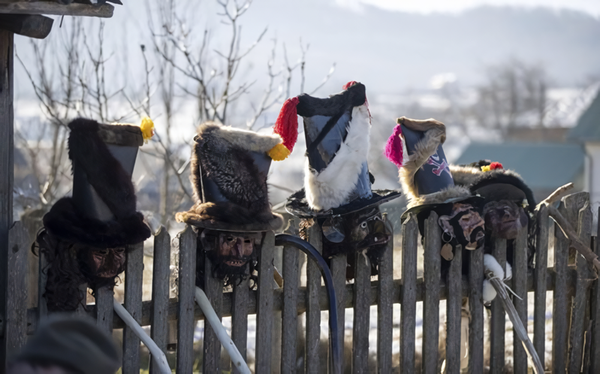
Malankais filled with symbolic characters. Bears represent strength and rebirth; goats stand for fertility; devils embody the misfortunes of the past year. Brides and grooms symbolize the cycle of life, while soldiers and doctors mirror contemporary struggles or social commentary. Interestingly, these roles have traditionally been played by men, even the female ones — a practice echoing medieval folk theater across Europe. Today, however, women actively take part, and the evolving face of Malankareflects a broader, more inclusive cultural expression.
This festival remains a "living tradition." Even during the full-scale war since 2022, many villages continued the tradition, albeit on a smaller scale or through online performances. In Kyiv, a modern urban version of Malankahas taken root, introducing this culture to city dwellers. Young people now share their costumes on TikTok and Instagram, bringing fresh interpretations to old customs. As past rituals merge with modern sensibilities, Malankalives on — not as a static heritage, but as an adaptive and vibrant cultural form.
For many Ukrainians, Malankais not just a folk event. It’s a tool for enduring grief, for preserving laughter through hardship. Beneath each mask lies a deeper truth: “We are okay,” they seem to say. “We are still here. We are still alive this new year.” These gestures in costume, dance, and music help soothe the wounds of community, bringing people closer in affirmation and hope.
Today, Malankais recognized as part of Ukraine’s national cultural heritage, with active discussions around its inclusion in UNESCO’s list of intangible cultural heritage. This signals that Malankais not only a national treasure but also a global testament to cultural resilience and diversity.
In early January, the sound of music and laughter echoes through Ukrainian village streets. Bears walk beside devils, brides tease grooms, and generations mingle in celebration. Though it may resemble a scene from an ancient folk painting, it carries the breath of today — the heartbeat of a nation still alive, still celebrating, still hopeful.

글 ㅣ 박수희
(주)구라파랩 대표
해외브랜드 전시 플랫폼 및 마케팅 컨설팅
해외브랜드 B2B & B2C 전문