

A Day of Choice: The Black Council of 1663
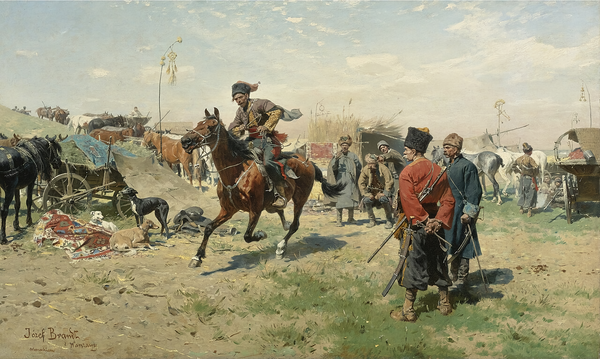
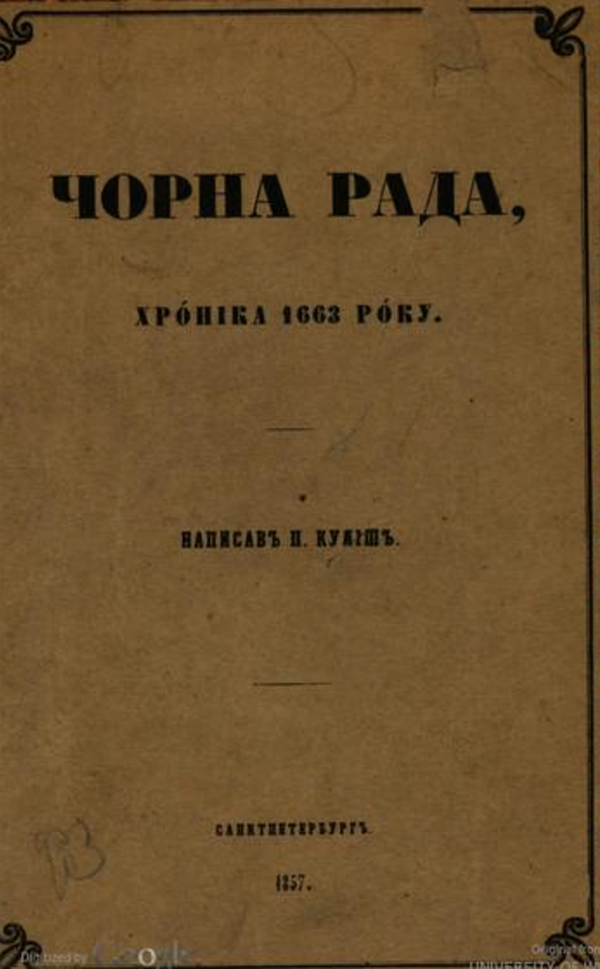
[아츠앤컬쳐] 우크라이나의 역사를 떠올리면 전쟁이나 외교 문제가 먼저 떠오르지만, 한 사회의 고민은 때로 문학 속에서 더 또렷하게 드러나기도 한다. 19세기 우크라이나 작가 판텔레이몬 쿨리시가 남긴 소설 『검은 평의회』가 그런 작품이다. 이 소설은 17세기 한 정치적 사건을 다루지만, 단순한 과거 이야기가 아니라 한 공동체가 흔들리던 순간을 담아낸 기록에 가깝다.
이야기의 배경은 1663년, 지금의 우크라이나 북부 도시 니진이다. 당시 우크라이나의 중심 세력이었던 코사크는 농민과 전사로 이루어진 자치 공동체이자 군사 집단이었다. 이들은 새로운 지도자를 선출하기 위해 대규모 집회를 열었다. 귀족과 장교들뿐 아니라 일반 병사와 평민들까지 참여했던 이 모임은 ‘검은 평의회’라는 이름으로 역사에 남았다. 신분을 가리지 않고 많은 이들이 모였다는 의미로 ‘검은’이라는 표현을 사용한 것이다.
그 시기의 우크라이나는 불안정했다. 자치 국가의 기틀을 세웠던 지도자가 세상을 떠난 뒤, 권력의 중심은 빠르게 흔들렸고 드니프로 강을 사이에 두고 동쪽과 서쪽 세력이 갈라져 주변 강대국들이 이 틈을 노렸다. 하지만 외부의 압박보다 더 복잡했던 것은 내부의 갈등이었다. 누가 공동체를 이끌 것인가, 어떤 방향이 옳은가를 두고 의견이 팽팽히 나뉘었다.
소설 『검은 평의회』에서는 두 인물이 묘사된다. 한 사람은 전통과 질서를 강조하며 안정적인 운영을 약속하고 경험과 신중함을 내세운다. 다른 한 사람은 평민들의 환호 속에서 개혁을 외치며 등장하여 더 나은 삶을 약속하고, 세금 감면과 변화를 이야기한다. 많은 이들이 그에게 기대를 걸었고, 그는 결국 지도자가 된다. 그러나 권력을 잡은 뒤 갈등은 오히려 깊어지고, 기대는 점차 실망으로 바뀐다. 작가 쿨리시는 이 과정을 극적인 장면과 인물들의 대화를 통해 담담하게 그려내었다
『검은 평의회』가 특별한 이유는 이 이야기가 단순히 과거의 사건을 재현하는 데 머물지 않기 때문이다. 이 작품이 쓰인 19세기, 우크라이나는 독립국가가 아니었다. 동쪽은 러시아 제국의 통치 아래 있었고, 우크라이나어 출판은 제한되었으며 언어와 문화는 끊임없이 압박을 받았다. 그런 상황에서 쿨리시가 우크라이나어로 본격적인 역사소설을 쓴다는 것은 상징적인 의미를 지녔다. 그는 문학을 통해 우크라이나의 역사와 언어가 살아 있음을 보여주고자 했던 것이다.
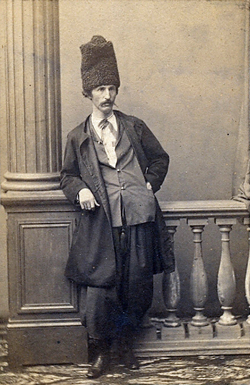
흥미롭게도 그는 같은 작품을 러시아어로도 집필했다. 제국 사회 안에서 활동해야 했던 현실을 반영한 선택이었을 것이다. 문학은 이렇듯 직접적인 저항이 되기도 하지만, 때로는 조용히 문화를 지켜내는 방식이 되기도 한다. 쿨리시의 선택은 그 시대의 복잡한 상황을 보여준다.
이 소설은 특별한 시기인 코사크 시대를 무조건적으로 영웅화하지 않는다. 오히려 사람들의 기대와 불안, 희망과 갈등을 함께 담아낸다. 평의회에 모였던 이들은 특별한 영웅이 아니라, 더 나은 미래를 바랐던 평범한 사람들이었다. 그들의 선택은 이상과 현실 사이에서 이루어졌고, 그 결과는 모두가 감당해야 할 몫이 되었다.
그래서 『검은 평의회』는 단순한 역사소설이 아니라, 한 사회가 분열과 혼란 속에서 어떤 결정을 내렸는지를 보여주는 문화적 기록처럼 읽힌다. 1663년 니진에 모였던 사람들의 목소리는 오래전에 사라졌지만, 그날의 장면은 문학 속에서 다시 살아나 시간을 건너 과거의 공기를 전한다. 그리고 우리는 그 이야기를 통해, 한 시대의 선택이 어떤 흔적을 남겼는지 들여다보게 된다.
A Day of Choice: The Black Council of 1663
When we think of Ukrainian history, wars and diplomacy often come to mind first. Yet the deeper concerns of a society are sometimes revealed more clearly through literature. The 19th-century Ukrainian writer Panteleimon Kulish left behind such a work in his novel The Black Council. Although the novel deals with a political event from the 17th century, it is more than a story about the past. It reads like a record of a community at a moment when its foundations were shaking.
The story is set in 1663, in the northern Ukrainian town of Nizhyn. At the time, the Cossacks — a self-governing community of farmers and warriors — were the central force in Ukrainian society. They gathered to elect a new leader. Unlike previous councils limited to elites, this meeting included not only nobles and senior officers but also ordinary soldiers and townspeople. It later became known as the “Black Council.” The word “black” did not refer to darkness, but to the fact that people of all ranks were present.
Ukraine at that time was deeply unstable. After the death of the leader who had laid the foundations of a Cossack state, the balance of power quickly weakened. The Dnipro River became a line dividing eastern and western factions, while surrounding powers watched closely for opportunities to intervene. Yet external pressure was not the only problem. Internal disagreements grew stronger. People were divided over who should lead and which direction the country should take.
In The Black Council, two contrasting figures stand at the center of this conflict. One represents tradition and order, promising stability and careful leadership. The other emerges with the support of the common people, calling for reform and a better life, speaking of lower taxes and change. Many place their hopes in him, and he ultimately becomes the leader. But once in power, tensions deepen rather than disappear. Expectations slowly turn into disappointment. Kulish portrays this process not with dramatic judgment, but through vivid scenes and conversations between his characters.
What makes The Black Council remarkable is that it was written in the 19th century, when Ukraine itself was not an independent state. Much of its territory was under the rule of the Russian Empire, where the Ukrainian language faced restrictions and cultural expression was tightly controlled. Writing a historical novel in Ukrainian at that time carried symbolic weight. Through literature, Kulish sought to show that Ukrainian history and language were alive and worthy of serious art.
Interestingly, he also wrote a Russian-language version of the novel. It was likely a reflection of the complex realities he faced as a writer working within an imperial system. Literature can be an act of resistance, but it can also be a quiet way of preserving culture. Kulish’s choices reflect that delicate balance.
The novel does not romanticize the Cossack era. Instead, it presents the hopes, fears, and uncertainties of ordinary people. Those who gathered at the council were not legendary heroes, but individuals longing for a more secure future. Their decision was made somewhere between idealism and reality, and the consequences were something the entire community had to bear.
For this reason, The Black Council is not just a historical novel. It feels like a cultural portrait of a society navigating division and confusion. The voices of those who gathered in Nizhyn in 1663 have long since faded, yet through literature the scene returns to life, carrying the atmosphere of that distant summer across time. And as we read, we find ourselves quietly reflecting on the marks that a single moment of choice can leave behind.

글 ㅣ 박수희
(주)구라파랩 대표
해외브랜드 전시 플랫폼 및 마케팅 컨설팅
해외브랜드 B2B & B2C 전문