

Lasagna, one of the famous Italian first courses
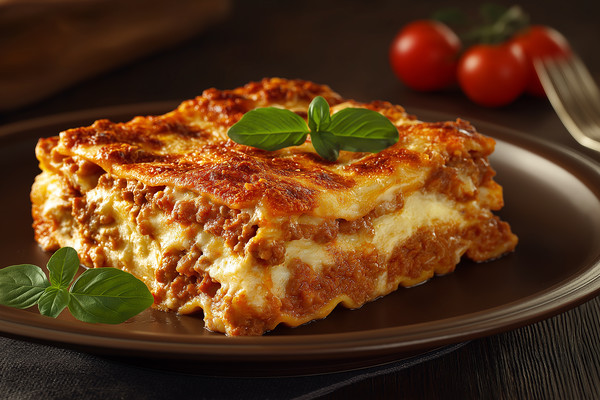
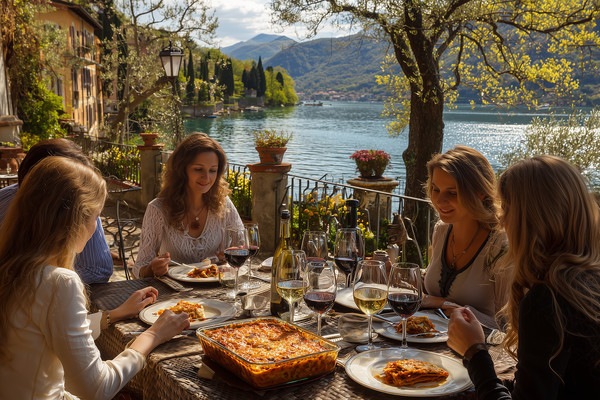
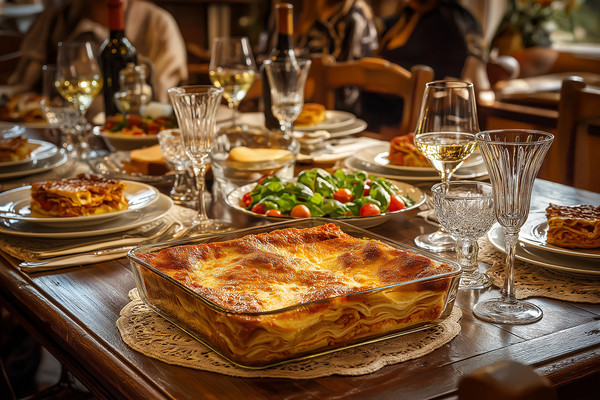
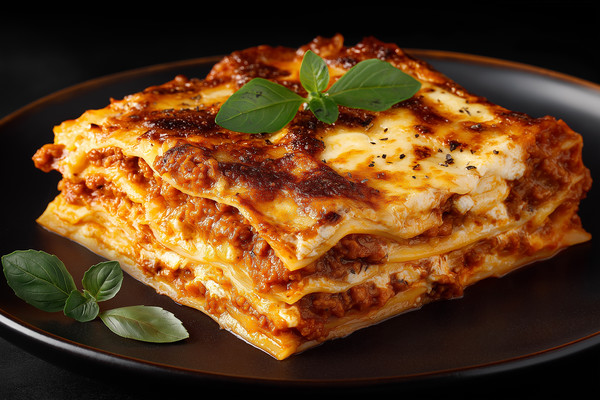
[아츠앤컬쳐] 일요일 점심 식사에 가족이나 친구에게 초대를 받았을 때, 식탁 위에 커다란 접시에 라자냐가 오른다는 말을 들으면 거절하기가 쉽지 않다. 이탈리아뿐 아니라 전 세계적으로 유명한 에밀리아로마냐 지역 볼로냐의 라자냐는 대표적인 ‘컴포트 푸드’다. 네모나게 자른 파스타 시트를 겹겹이 쌓고, 라구 볼로네제(고기 소스), 베샤멜 소스, 파르미지아노 레지아노 치즈를 더해 완성하는 구조적인 요리로, 풍부하고 깊은 맛으로 사람들을 사로잡는다.
이탈리아에는 여러 전통적 라자냐가 있으며, 지역의 재료와 관습에 따라 가정식·레스토랑식 다양한 변형이 존재한다. 가장 전통적인 형태는 ‘원형’으로 여겨지는 라자냐 알라 볼로네제(라자냐 베르디)인데, 시금치를 넣어 만든 초록색 파스타 시트, 라구 볼로네제(토마토 퓨레와 함께 오래 끓인 다진 고기), 베샤멜 소스, 파르미지아노 레지아노 치즈가 들어간다. 표면에 옅은 황금빛 크러스트가 형성되면 오븐에서 꺼낼 준비가 된 것이다. 서빙하기 전에 약 12분 정도 식혀 단단하게 만드는 것이 좋다.
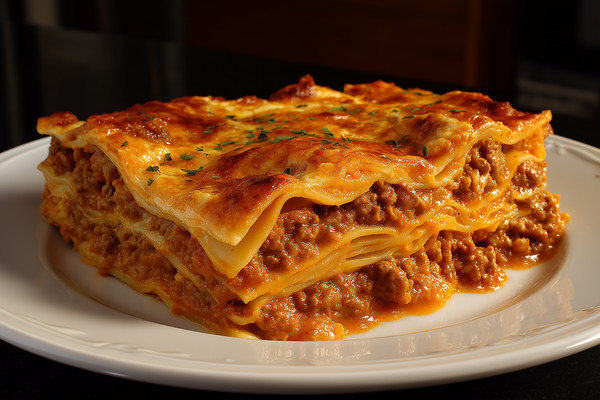
또 다른 대표적인 요리는 나폴리의 라자냐 디 카르네발레인데, 이탈리아 카니발 기간에 전통적으로 먹는 풍성한 요리다. 나폴리식 라자냐는 돼지고기와 소고기 덩어리를 토마토 퓨레와 함께 걸쭉하고 짙은 붉은색이 될 때까지 오래 끓여 만든다. 여기에 작은 미트볼(폴페티네), 리코타 치즈, 슬라이스 모차렐라 또는 프로볼로네 치즈, 파르미지아노 레지아노 또는 페코리노 치즈, 삶은 달걀, 마른 듀럼밀 세몰리나 파스타 시트 등이 더해진다.
리구리아 지역은 페스토 라자냐로 유명하다. 전통적으로 고기가 들어가지 않는 요리로, 얇은 달걀 파스타 시트에 신선한 현지 페스토 소스, 그린빈, 감자, 파르미지아노 레지아노 치즈를 넣어 만든다. 여기에 베샤멜 소스를 더해 더욱 크리미한 질감을 내기도 한다.
마르케 지역의 빈치스그라시 라자냐는 보통 7겹의 파스타 시트를 사용하며, 돼지고기 덩어리, 베이컨, 닭 내장, 토마토 퓨레, 육수, 레드와인, 정향이나 육두구 같은 향신료를 더한 진한 고기 소스가 특징이다. 여기에 균형 잡힌 맛과 크리미한 식감을 위해 베샤멜 소스와 파르미지아노 레지아노 치즈를 넣는다.
이 외에도 이탈리아 여러 지역에서 각기 다른 라자냐가 발전해왔다. 산악이나 아펜니노 지역에서는 고기 소스 대신 포르치니 버섯, 트러플, 페코리노 치즈를 사용하기도 한다. 베네토에서는 페스토 대신 트레비소산 라디키오를 쓰고, 시칠리아에는 가지를 갈아 넣은 ‘라 노르마’, 사르데냐에서는 파스타 대신 카라사우 빵으로 만든 라자냐가 있다.
또한 롬바르디아에서는 현지 치즈와 브레사올라를 사용하는 발텔리나식 라자냐가 있으며, 피에몬테에서는 크리스마스이브에 만드는 전통적 라자냐 ‘그란 마그로’가 있다. 트렌티노에서는 스페크와 모에나 치즈 등 현지 치즈를 넣은 티롤식 라자냐를, 프리울리 지역트리에스테에서는 파스타 위에 구운 양귀비씨를 뿌린 라자냐를 먹는다.
특히 볼로네제 라자냐는 전 세계에 따뜻함을 전하는 상징적인 요리 가운데 하나로, 풍부하고 깊은 맛과 다양한 식감의 조화로 사랑받고 있다. 해외에서도 각 지역의 식재료와 문화에 맞게 쉽게 재해석되어, 돼지고기 대신 다른 고기를 넣거나 다양한 채소·치즈를 활용한 채식 및 비건 라자냐 등 다양한 변형이 존재한다. 이처럼 다양한 변형이 가능하기 때문에 집에서도 각자 좋아하는 방식의 라자냐를 만들 수가 있다.
Lasagna, one of the famous Italian first courses
An invitation to a Sunday lunch from family or friends is quite a challenge to say no to once they mention that a lasagna in a large tray will be served on the table. The type of Lasagna dish from Bologna, Emilia-Romagna region, that is famous not only in Italy but also worldwide, is considered a satisfying comfort food, consisting of layers of pasta sheets cut into a rectangular shape, arranged in a structure that is combined with ragù Bolognese (meat sauce), béchamel sauce, and Parmigiano Reggiano cheese, making it irresistible.
There are several traditional types of lasagna in Italy, while there are many local, homemade, and restaurant variations that depend on the accessible ingredients and local traditions. The most traditional types are Lasagna alla Bolognese (Lasagna Verdi), which is regarded as the “original one”. The recipe includes green pasta sheets (spinach-infused), ragù alla Bolognese (slow-cooked minced meat with tomato puree), bechamel sauce, and Parmigiano-Reggiano cheese. The lasagna is ready to be removed from the oven when a light golden crust forms on the surface. Let it cool and firm on the kitchen table for about 12 minutes before serving.
Lasagna di Carnevale in Naples, a rich dish traditionally prepared during Italian Carnivals. The Neapolitan Lasagna version is filled with Neapolitan ragù (a mix of large cuts of pork and beef with tomato puree, cooked slowly, simmered until thick, dark red, and rich). More ingredients that will be incorporated in the dish are some small meatballs (polpettine), ricotta cheese, sliced mozzarella or provolone cheese, Parmigiano Reggiano or Pecorino cheese, hard-boiled eggs, and sheets of dry durum wheat semolina pasta.
The Liguria region is famous for Lasagna al Pesto. Traditionally, pesto lasagna is a meat-free dish, prepared with thin egg pasta sheets, fresh local pesto sauce, green beans, potatoes and Parmigiano Reggiano cheese. There is another variant that adds bechamel sauce to the pesto, creating a more creamy and velvety sauce. Lasagna Vincisgrassi from the Marche Region usually calls for 7 layers of pasta sheets, using a rich meat sauce with chunks of pork meat, bacon, chicken giblets, tomato puree, meat broth, red wine, and added spices of cloves or nutmeg. To give balance and creamy texture, bechamel sauce and Parmigiano Reggiano are included in the recipe.
Many regions in Italy have developed their own Lasagna variants. In the mountain and Apennine areas, for example, the meat sauce is often replaced by porcini mushrooms, truffles and pecorino cheese. In Veneto, pesto sauce is replaced with radicchio from Treviso. In Sicily, there is the “la Norma” version, with grated eggplants, and the Sardinian lasagna made with carasau bread instead of pasta sheets. In Lombardy, we can find Valtellinese Lasagna, using its typical cheeses and bresaola. In Piedmont, the lasagna is called gran magro, traditionally made for Christmas Eve; in Trentino, we find Tyrolean Lasagna with speck and local cheeses such as Moena, while in Trieste, Friuli area, the lasagna includes the addition of toasted poppy seeds on top of the pasta.
Lasagna, particularly the Bolognese variant, is, without a doubt, one of the most loved symbolic dishes that brings warmth to the world. It is appreciated also for its savoury, rich combination of flavours and textures. Overseas, the recipe has easily been adapted and reinterpreted with different variations, including local ingredients in different cultures, such as meat without pork, various vegetables, cheese and vegetarian/vegan versions. With quite a big range of variations, we can also make our own style of Lasagna that we love the most at home.

글 ㅣ Maureen Siwy
Culinary and social traditions researcher