

Mount Etna wines
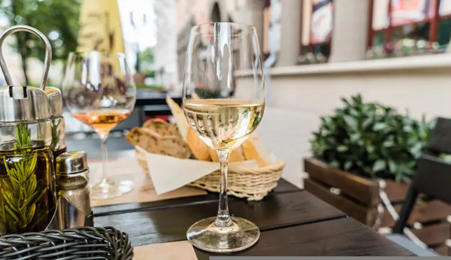
[아츠앤컬쳐] 포도덩굴은 언제나 시칠리아 풍경의 일부였다. 에트나 산비탈과 에올리에제도에서 발견된 포도씨 화석의 흔적은 약 6천년 전에 시칠리아에 살았던 고대인들이 와인을 마셨음을 시사한다. 수 세기에 걸쳐, 처음에는 레바논 지역으로부터의 페니키아인들이 정착하고 그 후 그리스인들이 시칠리아에 도시를 세우고, 효율적인 포도 재배와 가지치기 기술을 통해 포도 재배를 널리 퍼뜨리고 새로운 품종도 들여왔다.
로마제국 당시 시칠리아 와인은 매우 유명했고 그 중에서도 마메르티노와인은 특별했다. 율리우스 카이사르는 이 와인을 매우 즐겼으며, 기원전 59년에 그가 갈리아의 집정관으로 임명된 것을 축하하는 자리에서도 건배주로 마셨다고 한다. 마메르티노와인은 오늘날에도 메시나 근처에서 여전히 생산되고 있다.
로마제국의 멸망 후에는 수도원이 시칠리아 포도 재배에서 중요한 역할을 담당했다. 비잔티움제국 시대(535~827년경)에 시칠리아의 대부분은 미사를 위해 와인이 꼭 필요한 종교 공동체에 속해 있었다. 시칠리아가 이슬람왕국(902~1091년경)이었을 때도 많은 이슬람교도, 특히 베르베르족은 종교적 금기에도 불구하고 와인을 마셨으며 시칠리아-아랍 시인들은 시칠리아와인의 훌륭함을 시로써 칭송했다.
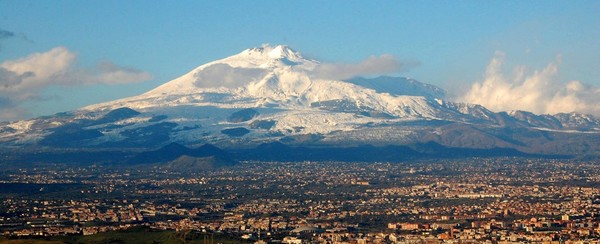
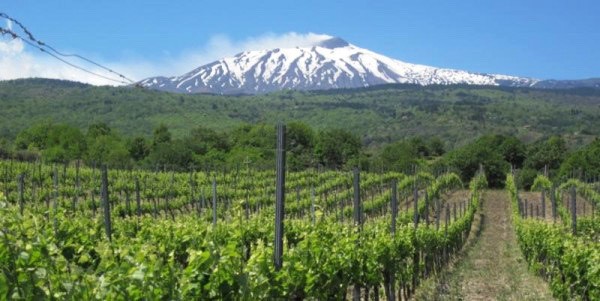
시칠리아는 지중해에서 가장 큰 섬이자 이탈리아의 20개 지방 중 하나다. 오늘의 이야기는 웅장한 에트나 산의 동부에 관한 것이다. 시칠리아의 도시 시라쿠사에 살았던 그리스 시인 테오크리토스(기원전 315~260년)는 에트나 산비탈에 포도원이 가득하다고 언급했다. 2천 년이 훨씬 지난 지금, 활발하게 활동 중인 이 활화산에 유럽에서 가장 높은 고도의 포도밭에서 우수한 와인이 생산되고 있다.
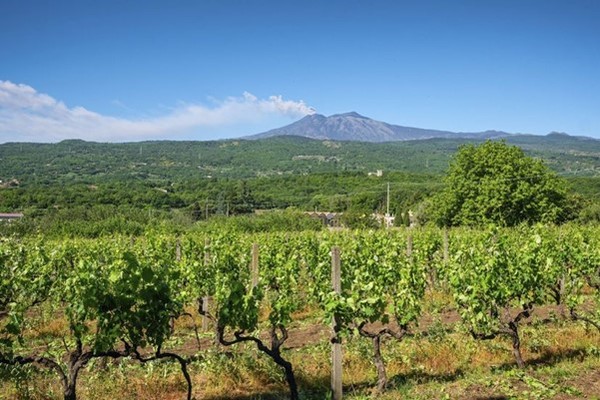
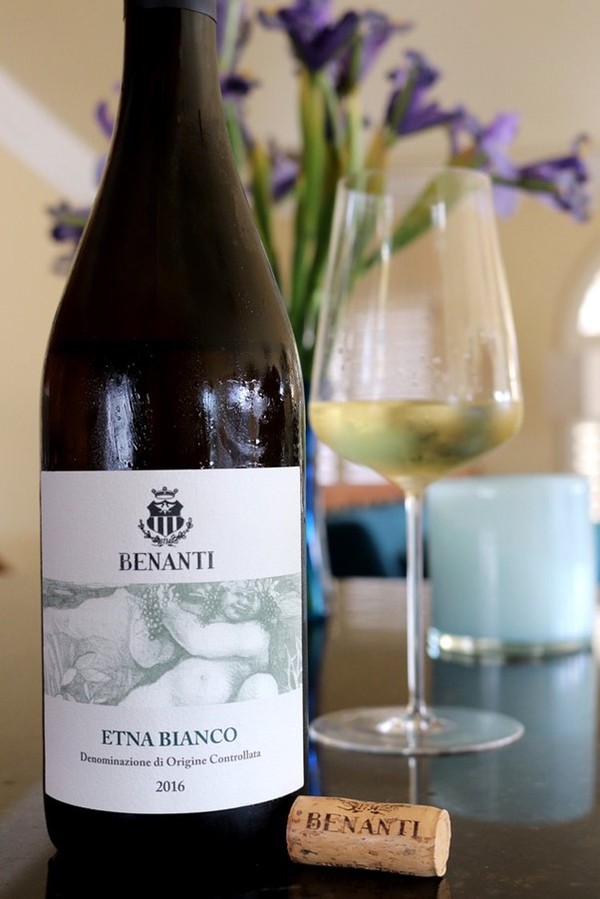
에트나 비앙코는 80%의 카리칸테 포도로 만든 드라이한 화이트와인이다. 감귤류, 오렌지꽃, 자스민의 풍미가 있는 말짚색 와인으로 맛은 풀바디에 약한 산미가 좋고 끝맛이 깔끔하다. 이 와인은 초밥, 해산물 파스타, 시칠리아 황새치, 향신료를 넣은 야채와 잘 어울린다.
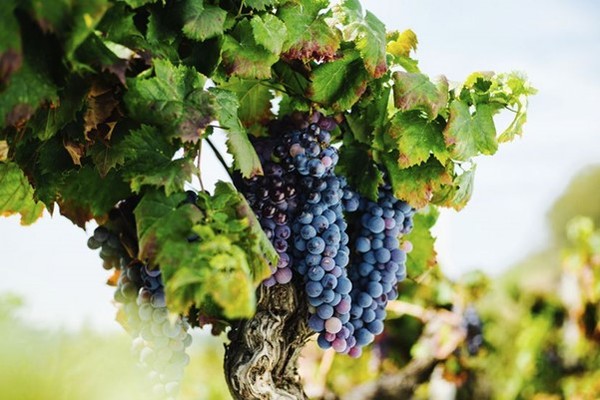
에트나 로쏘는 80%의 네렐로 마스칼레제 포도로 만든 드라이한 레드와인이다. 숙성 시 가넷 색상의 루비 레드 컬러에 잘 익은 과일과 체리의 강렬한 향을 지녔다. 그 맛은 풀바디에 탄닌감이 은근하다. 그것은 살라미, 미트소스 파스타, 구운 돼지고기, 시칠리아 송아지 롤, 숙성된 치즈와 잘 어울린다.
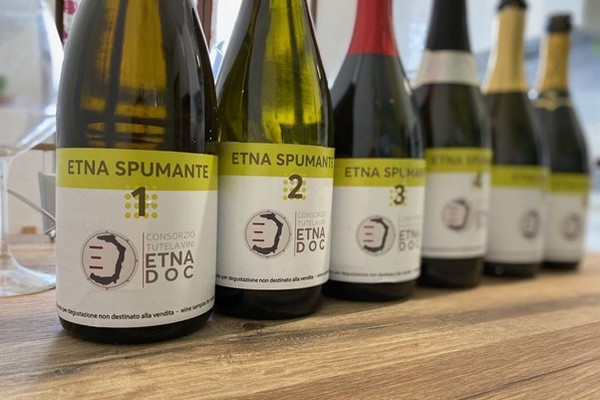
에트나 스푸만테는 프랑스 전통 방식에 따라 네렐로 마스칼레제나 카리칸테 포도로 만든 스파클링 와인이다. 구조가 잘 잡혀 있고 밝은 밀짚색으로 하얀꽃, 감귤류, 모과, 엘더베리를 연상시키는 아로마가 있다. 그 맛은 강렬하고 향긋하며, 섬세하고 미네랄 기포가 지속적이며 신선하다.
Mount Etna wines
Vines seem to have always been part of Sicilian landscape. Traces of fossil grape seeds found on the slopes of Mount Etna and in the Aeolian Islands suggest that the ancient people who lived in Sicily drank wine about six thousand years ago.
Over the centuries, first the Phoenicians, coming from present-day Lebanon and later the Greeks settled in Sicily founding cities, widely spreading viticulture through effective vine cultivation and pruning techniques and introducing new grape varieties to the island.
At the time of the Roman Empire Sicilian wines were very famous and Mamertino deserves a mention. It is said that Julius Caesar greatly appreciated this wine and that he toasted with it to celebrate his appointment as Consul of Gaul in 59 BC. Mamertino wine is still produced nowadays nearby the city of Messina.
After the fall of the Roman Empire, monasteries played a fundamental role in Sicilian viticulture. During the Byzantine rule (about 535~827 AD) a large part of the Sicilian lands belonged to religious communities for which wine was essential for celebrating mass. Even when Sicily was an Islamic kingdom (about 902~1091 AD) many Muslims, especially those of Berber origin, drank wine despite the religious prohibition and the Sicilian-Arab poets praised the goodness of the island’s wines in their poems.
Sicily is the largest island in the Mediterranean Sea and one of the twenty regions of Italy. Today’s story concerns its eastern part which is dominated by the imposing mass of Mount Etna.
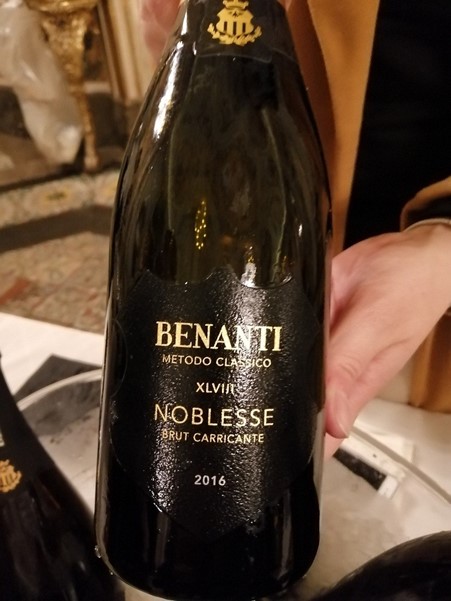
Theocritus (315~260 BC) a Greek poet who lived in the current Sicilian city of Syracuse, mentioned the abundance of vineyards on the slopes of Mount Etna and more than two thousand years later, fine wines are found in the very same areas around this volcano, the highest and the most active one in Europe.
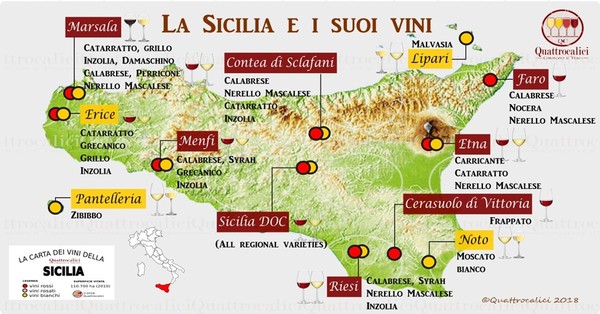
Etna Bianco is a dry white wine made from 80% Carricante grapes. Straw yellow in color with notes of citrus, orange blossoms and jasmine. The taste is full-bodied, slightly acidic, therefore fresh in the finish. It matches with sushi, seafood pasta, Sicilian swordfish and spiced vegetables.
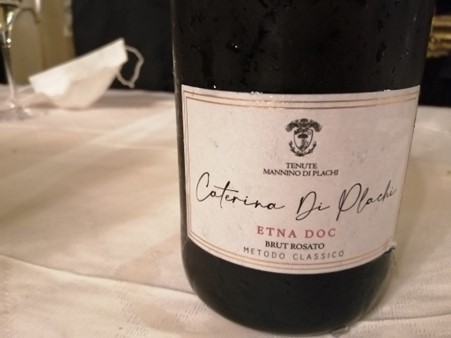
Etna Rosso is a dry red wine made from 80% Nerello Mascalese grapes. Ruby red color with garnet hues when aging, an intense aroma of ripe fruit and cherries. The taste is full-bodied, tannic, persistent. It matches with salami, meat sauce pasta, roast pork, Sicilian veal rolls and aged cheeses.
Etna Spumante is a sparkling wine made with Nerello Mascalese or Carricante grapes according to the French traditional method. Well-structured and with a bright straw yellow color, it has an aroma reminiscent of white flowers, citrus, quince and elderberry. The taste is intense, fragrant, fresh with a fine, persistent and mineral perlage.

글 | 에밀리아노 펜니지 Emiliano Pennisi
Sogang University lecturer of Italian language
Wine scholar and expert
He attended sommellier courses in Italy