

Marlborough Sauvignon Blanc
[아츠앤컬쳐] 세계 와인 여행에서 이번에는 뉴질랜드를 찾아본다. 이 외진 곳에 위치한 나라는 아름다운 자연 경관과 함께 아오테아로아라고 부르는 마오리족의 문화로 유명한데, 이는 ‘길고 흰 구름의 땅’이란 뜻이다. 이 나라는 1642년 네덜란드 선원 아벨 태즈먼이 처음으로 이곳에 도착하기 전까지는 서양에 알려지지 않았다. 그로부터 약 100년 후인 1769년~1770년에 영국 탐험가 제임스 쿡은 뉴질랜드의 남과 북 두 섬을 일주하고 두 섬 사이의 해협을 항해한 최초의 인물로, 이후 이곳을 쿡 해협이라고 부르게 되었다.
그의 탐험 이후 뉴질랜드는 영국 식민지가 되었고 오늘날까지도 두 나라 사이에 연결 고리가 존재한다. 따라서 포도 재배는 1819년 성공회 선교사 사무엘 마스든이 북섬 북동쪽의 케리케리 지역에 최초로 포도나무를 심었던 뉴질랜드 식민지 시대로 거슬러 올라간다. 그리고, 1839년 식물학자이며 영국 상주 장관인 제임스 버스비의 북섬의 또 다른 지역인 와이탕이에 있는 포도원에서 뉴질랜드 최초의 와인을 생산했다.
이러한 좋은 출발에도 불구하고, 뉴질랜드 와인은 1970년대~1990년대에 이르러서야 전 세계 와인 애호가들 사이에서 전면에 등장하게 되었는데, 이는 초기에 많은 뉴질랜드 와인제조자들의 포도재배에 대한 경험 부족과 정치적, 문화적 문제에 기인한 것이었다.
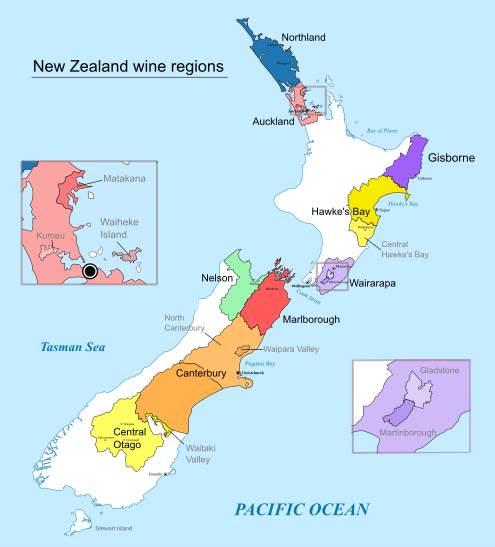
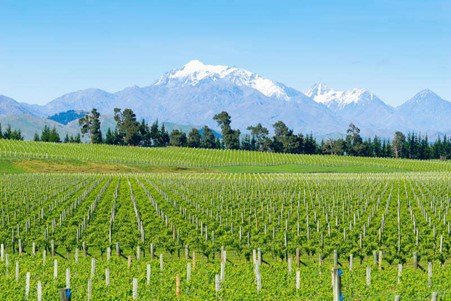
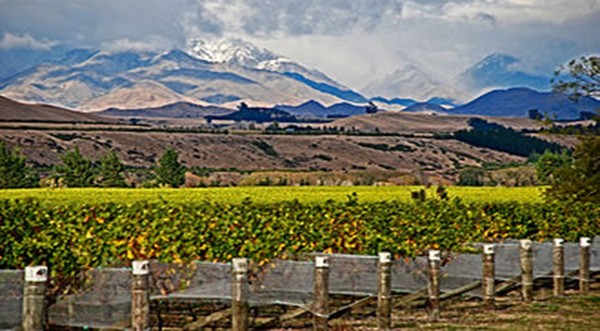
이번에는 뉴질랜드에서 가장 크고 중요한 와인 산지인 말보로로 향한다. 남섬의 북동부에 위치한 말보로는 태즈먼해에서 불어오는 습하고 비를 품은 바람으로부터 보호해주는 서던알프스산맥과 태평양에 인접해 있다. 대부분의 뉴질랜드 와인 지역과 마찬가지로 말보로는 태평양 해류로 인하여 온화한 기후를 가지고 있으며 남섬의 길고 좁은 모양을 고려할 때, 포도밭은 해안에서 130km 이내에 존재한다. 이로 인해 포도가 길고 꾸준한 재배 기간 내내 균일하게 익을 수 있게 되어 뉴질랜드에서 가장 유명한 화이트와인인 소비뇽 블랑의 특성이 강화된다.
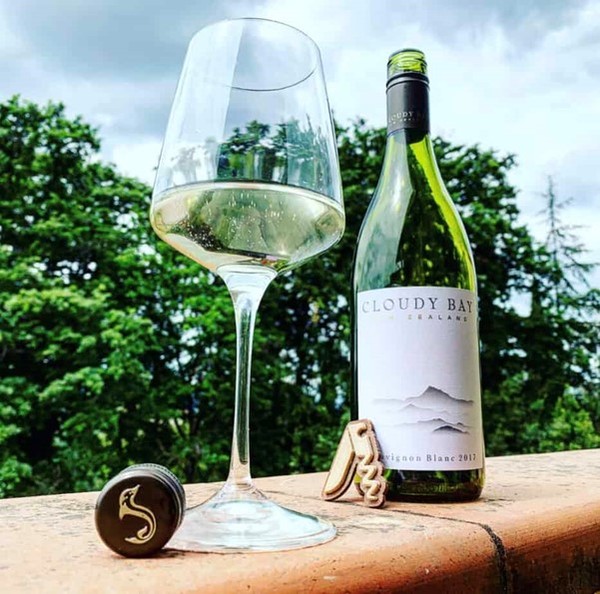
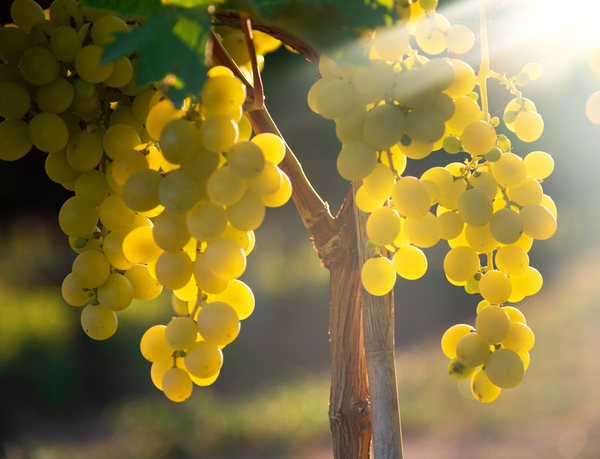
말보로 포도원은 주로 와이라우 및 아와테레 계곡에 집중되어 있다. 소비뇽 블랑은 프랑스 루아흐 계곡이 원산지인 동명의 포도 품종으로만 만들어진다. 밀짚 노란색에 초록빛이 도는 색상을 띠고 패션후르츠, 자몽, 복숭아, 구스베리와 같은 과일향과 아스파라거스 및 엘더플라워의 허브향이 풍부한 점이 특징이다.
맛은 강렬하고 드라이하며 산미가 뚜렷하고 알코올 함량과 균형을 이루며 오래 지속되는 상쾌한 여운이 있다. 말보로 소비뇽 블랑은 생선 요리, 조개류, 닭고기 및 칠면조 고기, 염소 치즈, 채식 요리 및 매콤한 아시아 요리와 잘 어울린다.
Marlborough Sauvignon Blanc
Our journey around the world takes us to New Zealand. This remote country is famous for its wonderful natural landscapes as well as the culture of Maori people who call it Aotearoa, “the land of the long white cloud” and it remained unknown to the western world until the Dutch seafarer Abel Tasman arrived there for the first time in 1642.
About a century later, between 1769 and 1770, the British explorer James Cook was the first to circumnavigate New Zealand’s two major islands and to sail through the strait that separates them from each other which took the name of Cook Strait after him.
Following his explorations, New Zealand became a British colony and the link between the two countries still exists today. Viticulture, therefore, dates to New Zealand colonial era when in 1819 the Anglican missionary Samuel Marsden was the first to plant some vines in Kerikeri area, northeast of the North Island, while in 1839 the British Resident Minister James Busby, a keen oenologist, produced the country’s first wines from vineyards on his land in Waitangi, another locality in the North Island.
Despite these good beginnings, due to the inexperience of many pioneering New Zealand winemakers in viticulture, as well as political and cultural issues, it was only between the 1970s and the 1990s that New Zealand wines came to the fore among wine lovers from all over the world.
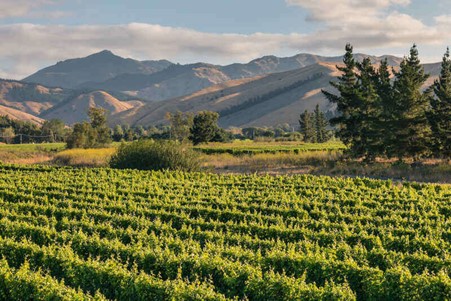
For this stage in New Zealand we head to Marlborough, the largest and most important wine region in the whole country. Located in the northeastern part of the South Island, Marlborough is bordered by the Pacific Ocean and the Southern Alps Mountain range which protect it from humid, rain-laden winds from the Tasman Sea. Like most New Zealand wine regions, Marlborough has a very cool climate tempered by the Pacific Ocean currents and given the long and narrow shape of the South Island, there are no vineyards more than 130 km from the coast. This fact allows the grapes to ripen evenly for a long and steady growing season, enhancing the characteristics of New Zealand’s most famous white wine: Sauvignon Blanc.
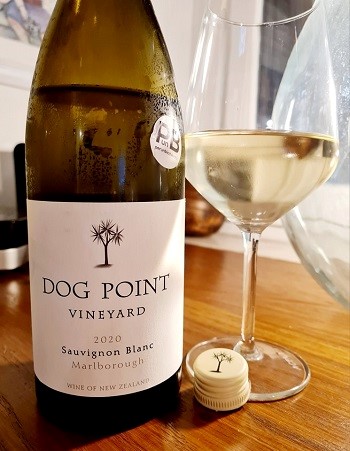
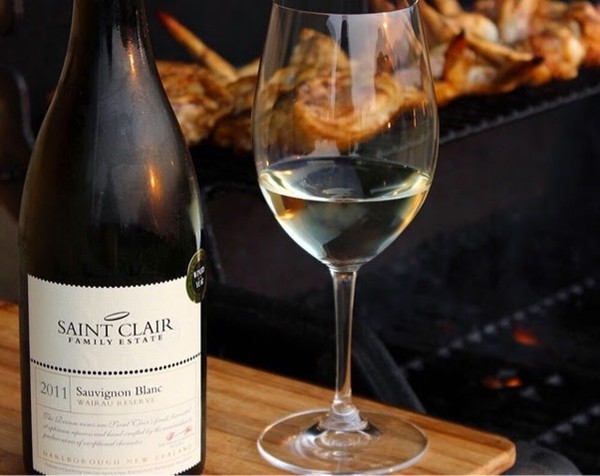
Marlborough vineyards are largely concentrated in the Wairau and Awatere Valleys. Sauvignon Blanc is made exclusively with the homonymous grape variety native to the Loire Valley in France. It is a wine with a straw yellow color, greenish hues and a rich aroma of fruity scents such as passion fruit, grapefruit, peach, gooseberry, with herbaceous notes of asparagus and elderflower.
The taste is intense, dry, distinctly acidic, balanced by its alcohol content, with a long fresh finish. Marlborough Sauvignon Blanc pairs with fish-based dishes, shellfish, chicken and turkey meat, goat cheese, vegetarian cuisine and spicy Asian dishes.

글 | 에밀리아노 펜니지 Emiliano Pennisi
Sogang University lecturer of Italian language
Wine scholar and expert
He attended sommellier courses in Italy