

The legend of the Black Rooster
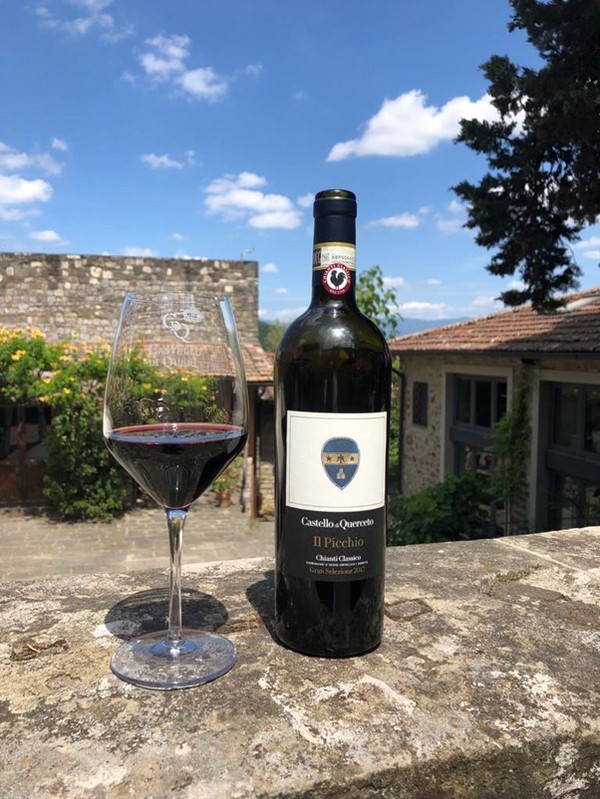
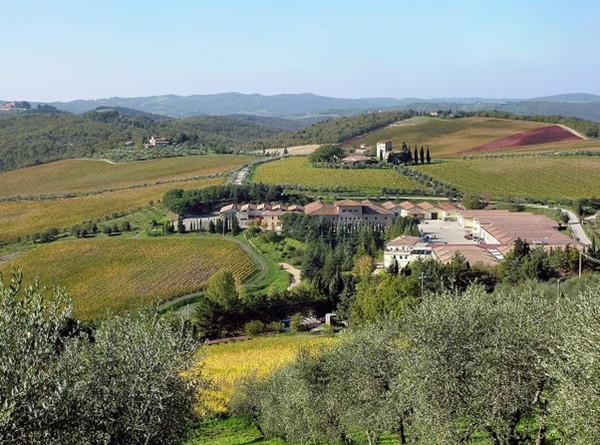
[아츠앤컬쳐] 이탈리아에서 가장 유명한 와인 중 하나인 키안티를 더 알아보기 위해 잠시 토스카나를 다시 찾아 본다. 키안티는 시에나, 피렌체, 아레초 사이의 작은 산맥이 가로지르는 토스카나 지역 이름이다. 여러 학자들은 이 지역이 옛날부터 강이 풍요로웠다는 점을 고려하여 ‘물’을 의미하는 에트루리아어 ‘클란테’에서 그 이름이 기원한다고 말한다.
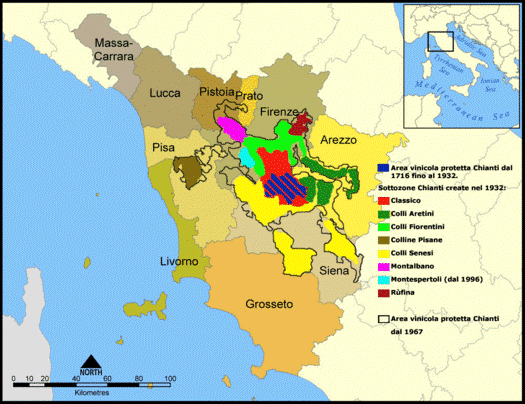
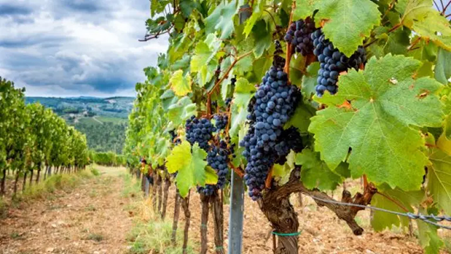
중세 시대에 안티노리, 프레스코발디 및 리카솔리와 같은 이탈리아의 귀족 가문이 키안티 지역에서 와인을 생산하기 시작했을 때, 피렌체 공화국은 그곳에서 가이올레, 라다 및 카스텔리나 마을과 함께 키안티 연맹을 만들어 해당 지역의 경계를 설정하고 산지오베세 포도로 만든 와인을 ‘키안티 와인’이라고 부르기 시작했다.
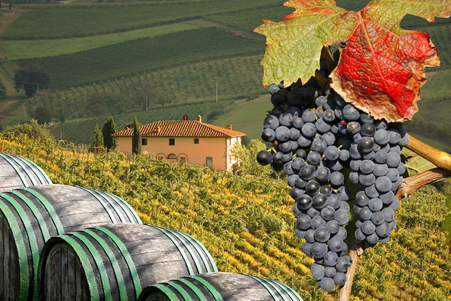
전설에 따르면 피렌체와 시에나는 키안티 영토의 지배를 위한 수세기에 걸친 투쟁을 끝내기 위해 두 도시를 대표하는 두 기사의 도전으로 도시 간의 경계를 매듭짓기로 했는데, 새벽에 닭이 울면 두 기사가 각각 자기 도시에서 출발하도록 하여 그들이 만나는 지점을 피렌체와 시에나의 경계로 삼기로 했다.
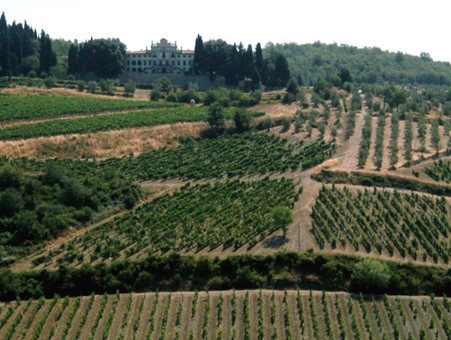
시에나 사람들은 그들이 많이 먹는 흰 수탉을 선택했고, 피렌체 사람들은 닭장에서 금식시킨 검은 수탉을 선택했다. 도전의 날, 굶주린 검은 수탉은 동트기 훨씬 전에 울기 시작했고 피렌체 기사는 곧바로 출발했다. 시에나 기사는 흰 수탉이 울 때까지 오랜 시간을 기다려야 떠날 수 있었다. 결국 두 기사는 시에나에서 불과 몇 킬로미터 떨어진 곳에서 만나게 되었고 이로써 피렌체는 키안티 지역의 거의 대부분을 차지하게 되었다.
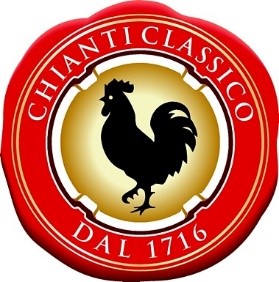
아마도 이 전설 덕분인지 14세기 말에 검은 수탉이 키안티 연맹의 상징이 되었고, 1716년에 토스카나 대공 코시모 3세 데 메디치의 칙령으로 연맹에 속한 세 마을과 그레베 마을만이 키안티 와인 생산자로 인정받았다.
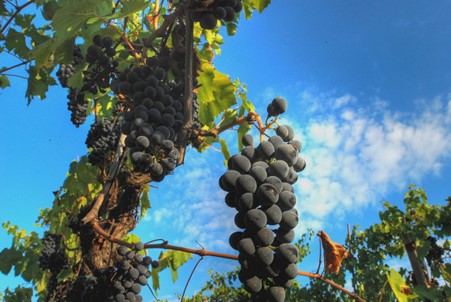
1774년 또 다른 토스카나 대공으로, 마리 앙투아네트 여왕의 형제인 레오폴드 2세 합스부르크-로렌이 키안티 연맹을 해체했지만 오늘날에도 검은 수탉은 같은 이름의 키안티 지역에서 생산되는 유일한 와인 키안티 클라시코의 병에 남아 이 고대 상징을 표시하고 있다.
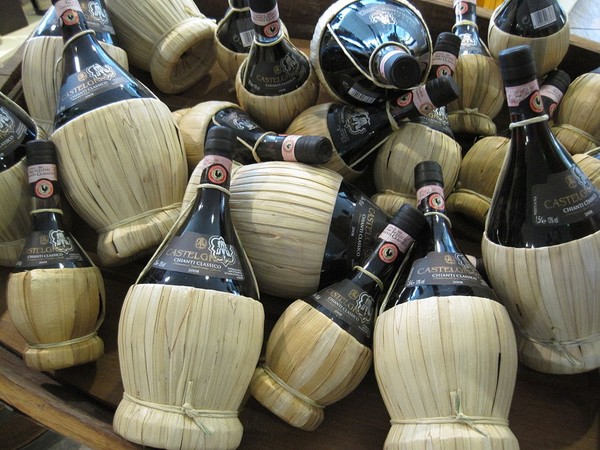
키안티와 키안티 클라시코 와인은 이탈리아 왕국의 총리를 지낸 정치가 베티노 남작(1809~1880)의 규정에 따라 지금도 산지오베제 포도 80%, 기타 토스카나 적포도 20%로 만들어지고 있다.
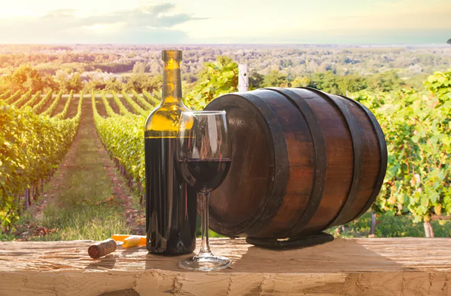
가넷 색조에 바이올렛과 아이리스 꽃향이 있는 루비 레드와인이다. 맛은 조화로우며 드라이하고, 시간이 지남에 따라 부드러워지는 좋은 탄닌과 풍미가 있다.
The legend of the Black Rooster
After some time, we stop in Tuscany again to learn more about Chianti, one of the Italy’s most famous wines.
Chianti is an area of Tuscany crossed by a small mountain range between the cities of Siena, Florence and Arezzo. Various scholars trace this name back to the Etruscan word clante, which means “water”, given that the whole area has been rich in rivers since ancient times.
In the Middle Ages, while noble Italian families such as Antinori, Frescobaldi and Ricasoli began to produce wine in the Chianti region, the Republic of Florence created there the Chianti League with the towns of Gaiole, Radda and Castellina to establish the boundaries of that area where a wine made from Sangiovese grapes began to be called “Chianti wine”.
A legend tells that to put an end to their centuries-old struggles for dominance of the Chianti territory, Florence and Siena decided to fix its borders with a challenge between two knights, making them leave at dawn from the two cities, so that the Florentine-Sienese border would have been placed at their meeting point.
The Sienese chose a white rooster which they fed a lot, while the Florentine chose a black rooster which they kept fasting in a coop. On the day of the challenge, the hungry black rooster crowed long before dawn and the Florentine knight immediately set off, while the Sienese knight had to wait a long time for the white rooster to crow before being able to leave. The two met a few kilometers from Siena and so Florence took possession of almost the entire Chianti region.
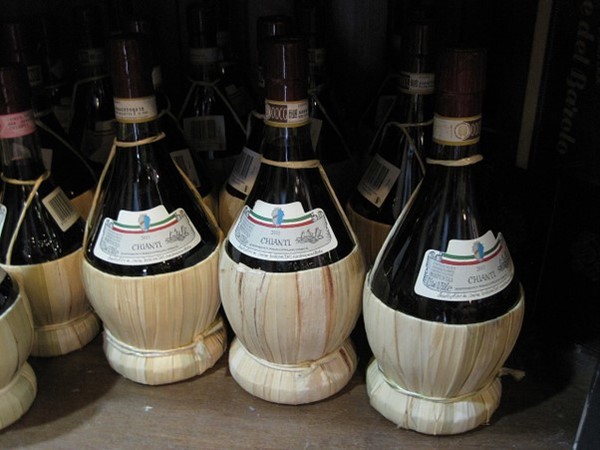
Perhaps thanks to this legend, at the end of the fourteenth century the black rooster became the symbol of the Chianti League, and it still was in 1716 when an edict from the Grand Duke of Tuscany Cosimo III de’ Medici recognized the three towns of the League itself and the town of Greve as the only authorized Chianti wine producers.
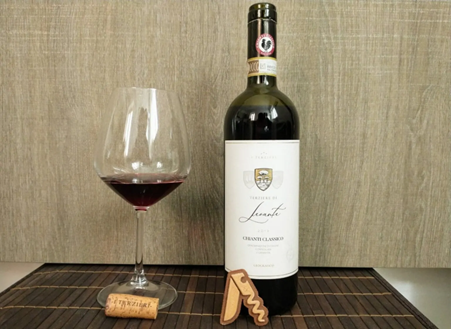
In 1774 another Grand Duke of Tuscany, Leopold II Habsburg-Lorraine, brother of the Queen Marie Antoinette, dissolved the Chianti League, but the black rooster survives today on the bottles of Chianti Classico, the only wine that coming from the homonymous subzone, the largest of the Chianti region, can display this ancient symbol.
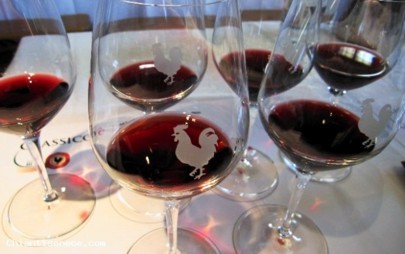
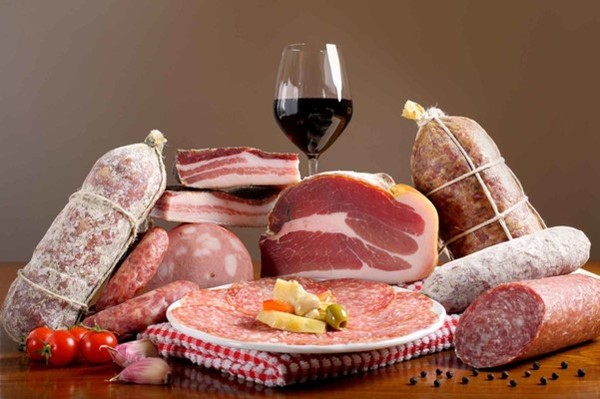
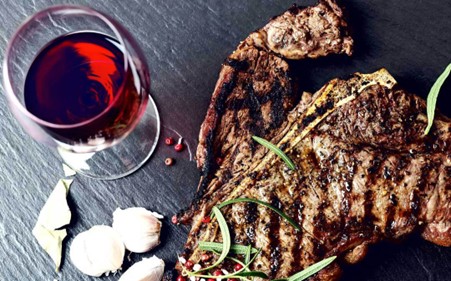
Chianti and Chianti Classico wines are still made according to the prescriptions of Baron Bettino Ricasoli (1809~1880), a statesman who served as Prime Minister of the Kingdom of Italy: 80% Sangiovese grapes and 20% other Tuscan red grapes. It is a ruby red wine with garnet hues and floral notes of violet and iris. The taste is harmonious, dry, savory with good tannins that soften over time.

글 | 에밀리아노 펜니지 Emiliano Pennisi
Sogang University lecturer of Italian language
Wine scholar and expert
He attended sommellier courses in Italy