

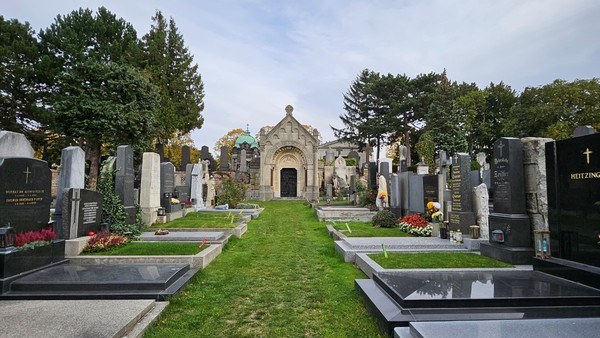
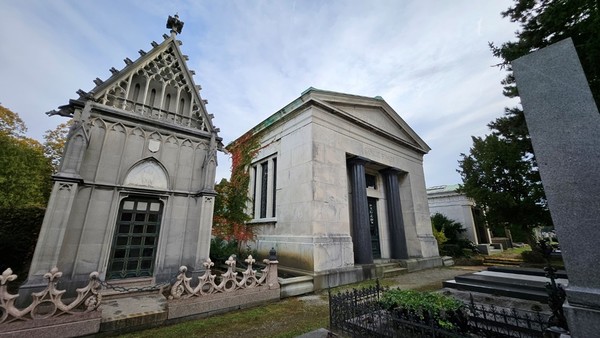
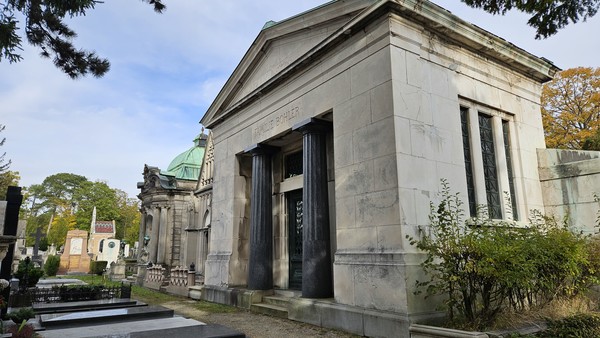
[아츠앤컬쳐] 비엔나는 사자死者들과 끈끈한 관계를 맺고 있어 종종 “사자의 도시”라고 불린다. 이미 약 300만 명의 사람들이 묻혀 있으며, 매년 평균적으로 약 20,000건의 매장이 이곳에서 이루어진다. 비엔나에는 죽음을 기리는 노래가 있고, 죽음을 기리는 기념비가 세워지며, 결국 비엔나 사람들은 ‘아름다운 묘소’가 되기를 원한다.
그러나 아름다운 묘소인 ‘쇼네 라이히(Schoene Leich)’뿐만 아니라 웅장한 무덤도 있다. 이는 비엔나의 묘지 문화를 보여주는데, 묘지는 산책 장소로 자주 선택되며 많은 예술가들이 묘지에서 영감을 얻고 있으며 죽음과 직접적으로 관련된 시, 책, 노래가 많이 있다.
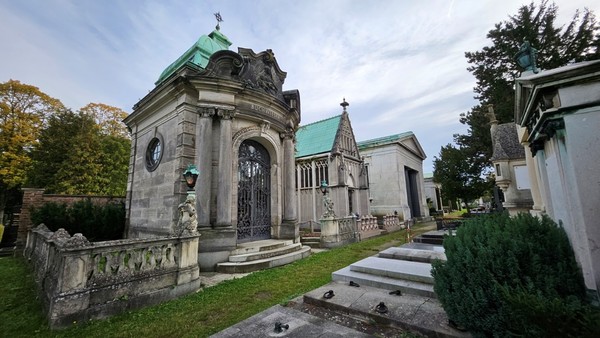
묘지는 안개가 자욱하고 쌀쌀하고 추운 늦가을에 가장 자주 찾으며, 이때 고인을 기리기 위해 만성절 축제도 거행된다. 만성절은 11월 1일에 기념하며, 교회의 날일뿐만 아니라 거의 유럽 전역의 기독교 교회의 공휴일이므로, 비엔나에서도 사자를 추모하는 기회가 된다.
만성절은 원래 모든 성인과 순교자를 기념하는 날이지만 오늘날에는 사자를 추모하는 데 중점을 둔다. 전통적으로 많은 사람들이 만성절에 묘지에 있는 죽은 친척들을 방문하고, 꽃(과꽃과 국화)으로 무덤을 장식하고, 촛불을 켜고 그들을 위해 기도한다.
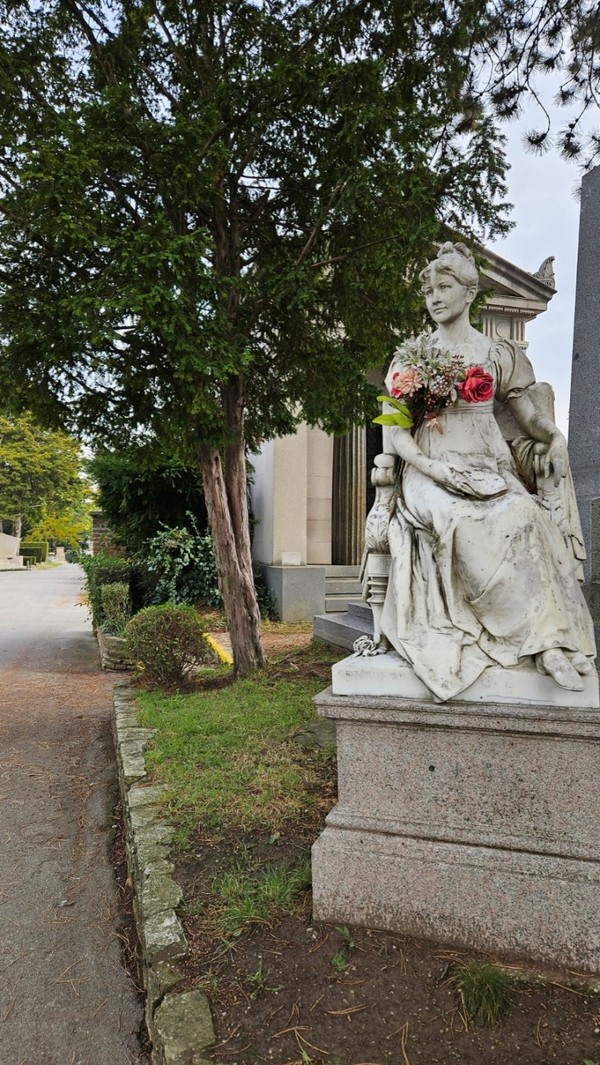
역사
4세기에 가톨릭 교회에서는 성인과 순교자들을 기념하는 연례 행사를 제정했다. 그러나 시간이 지나면서 각 성인마다 별도의 기념일을 정하는 것이 불가능해짐에 따라 만성절을 절기로 제정하게 되었다.
4세기 초부터 동방교회의 만성절은 성령강림절로부터 6일 후이다. 서방 교회에서는 교황 보니파시오 4세의 뜻에 힘이 있었다. 그는 609년에 로마 판테온의 이교 신전을 성물이 있는 교회로 봉헌했으며, 연례 행사를 부활절 다음 금요일로 고집했다.
100여 년 후, 성 베드로 대성당의 예배당을 봉헌하는 과정에서 교황 그레고리오 3세는 로마의 축일을 11월 1일로 옮겼다. 그 후, 이 날짜가 수십 년 동안 서방 교회에서 채택되었다. 교황 그레고리오 4세는 마침내 865년에 서방 교회의 신자들을 위한 만성절을 매년 11월 1일에 함께 기념하기로 최종 결정했다.
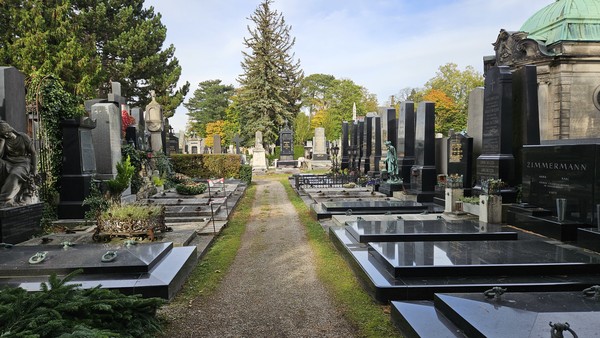
All Saints' Day
Vienna has a strong relationship with the dead, about 3 million people have already been buried in this city, in this "city of the dead" as it is sometimes called. On average, about 20,000 burials are carried out here every year. In Vienna, songs are dedicated to death, monuments are built to death and at the end of all days, the Viennese want to be "a beautiful corpse".
But not only “ a Schoene Leich”, a beautiful corpse, but also magnificent tombs.
This shows the Viennese cemetery culture, cemeteries are often chosen as a place for walks and many artists have taken inspiration from the cemetery. There are many poems, books and songs that are directly related to death.
The cemetery is most often visited in late autumn, when it is foggy, chilly and cold, when the memorial feast of All Saints is also celebrated to commemorate the deceased.
All Saints' Day is celebrated on November 1st.
All Saints' Day, which is not only an ecclesiastical, but also an almost Europe-wide public holiday of the Christian Church, becomes an occasion in Vienna to think of the dead. Although All Saints' Day originally commemorates all saints and martyrs, today the focus is on commemorating the dead. Traditionally, many people visit their deceased relatives at the cemetery on All Saints' Day, decorate the graves with flowers (asters and chrysanthemums), light candles and pray for them.
HISTORY
In the 4th century, the catholic church instituted annual commemorations of the saints and martyrs. However, as time progressed, it seemed impossible to dedicate a separate day of remembrance to each of the saints, so All Saints' Day was created as a feast.
Since the beginning of the 4th century, the feast of All Saints in the Eastern Church has been six days after the Pentecost holidays. For the Western Church, the word of Pope Boniface IV counted. He consecrated the pagan temple of Rome's Pantheon in 609ac as a church with holy relics and insisted on the annual celebration on the Friday after Easter.
More than a hundred years later, in the course of the consecration of a chapel in St. Peter's Basilica, Pope Gregory III moved the holiday for Rome to November 1. This date was adopted by the Western Church in the decades to come. Pope Gregory IV finally decided in 865 that the commemoration of All Saints' Day for the faithful of the Western Church takes place together and annually on November 1.
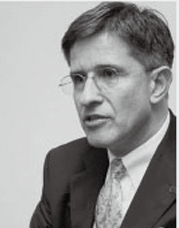
글 | 볼프강 슬라빈스키 Wolfgang Slawinski
서울명예시민
한·오스트리아협회 회장