

Polish All Saints Day – a national holiday of remembrance
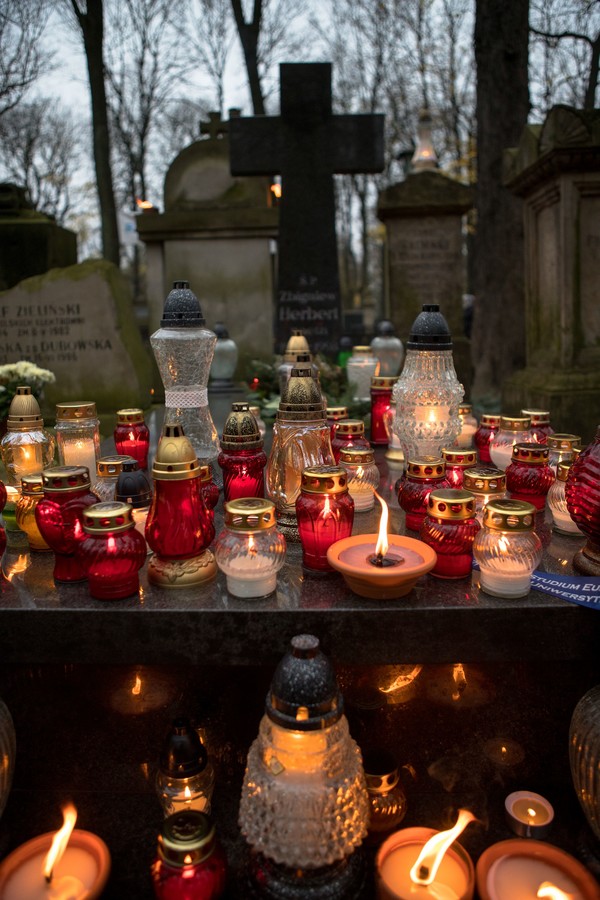
[아츠앤컬쳐] 매년 11월 1일, 폴란드 사람들은 이미 세상을 떠난 사랑하는 이들을 기리기 위해 묘지를 찾는다. 이 날은 가족들이 함께 모여 친척의 묘지를 방문하는 것이 일반적이다. 사람들은 촛불과 꽃과 같은 상징적인 선물을 가져와 묘비에 올린다. 촛불을 밝히는 행위는 단순한 행동이 아니라, 여전히 우리의 마음 속에 남아있는 영혼들에 대한 인정을 의미한다. 방문 중에는 고인에 대한 이야기를 나누거나 조용히 기도하며 생각에 잠기기도 한다. 낙엽이 지고 흐린 날씨 속에서 폴란드인들은 과거를 떠올리며 기억을 되새긴다.
비록 가톨릭 교회 전통에 뿌리를 두고 있지만, 종교에 상관없이 대부분의 사람들이 묘지에 모인다. 어떤 이들은 여러 묘지를 방문하기 위해 다른 도시나 고향을 오가는 경우도 있는데, 이는 국가 공휴일이기 때문에 가능한 일이다. 묘지 방문에는 특정한 시간이 정해져 있지 않다. 아이들과 함께하는 사람들 또는 여러 묘지를 방문하는 사람들은 주로 이른 시간에 조문을 하기도 하지만, 대부분의 사람들은 저녁에 방문한다. 이때 수천 개의 작은 불꽃들이 공간을 밝혀주는 아름답고도 사색에 잠기게 만드는 장관이 펼쳐져 잊을 수 없는 경험을 선사한다.
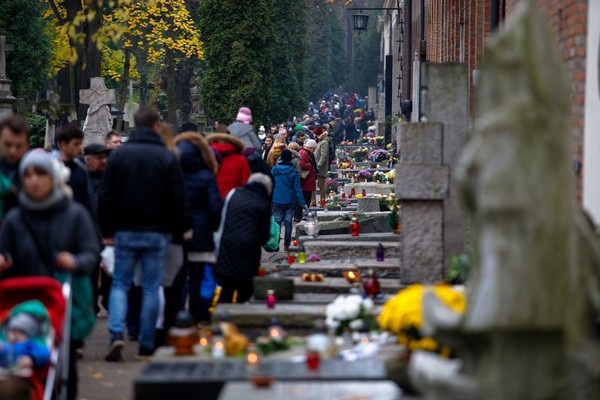
9세기 폴란드에서 모든 성인의 날(만성절)이 공식적인 공휴일이 되기 훨씬 전부터, 슬라브인들은 '지아디(Dziady)'라는 독특한 의식을 통해 조상을 기려왔다. 지아디는 고대 슬라브 전통에 뿌리를 두고 있으며, 주로 10월과 11월 사이 계절이 바뀌는 저녁에 이루어졌다. 이 특별한 밤에는 죽은 이들의 영혼이 살아있는 세계로 돌아와 그들과 교류할 수 있는 시간이 된다고 여겨졌다. 사람들은 무덤가에 모여 조상들과 시간을 보내며, 그들의 영혼을 위해 빵과 꿀 같은 선물을 남기곤 했다. 때로는 불을 피워 영혼들을 따뜻하게 하거나 악령을 쫓기도 했다. 또한 지아디 의식에는 조상들을 다시 저승으로 돌려보내는 의식이 포함되었으며, 이때 공연자들은 가면을 쓰기도 했다.
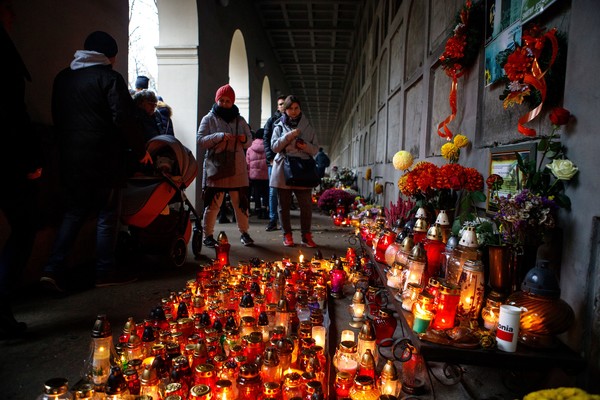
여전히 모든 성인의 날과 지아디의 축제는 서로 연결되어 있으며, 이는 폴란드에서 가장 중요한 명절 중 하나로 자리 잡고 있다. 가족과 친구들과 함께 묘지를 떠나면서 사람들은 삶의 유한함과 인간관계, 그리고 조상들과의 유대를 다시금 깨닫게 된다.
번역: 주한 폴란드 대사관 문화공공외교팀 권하연
Polish All Saints Day – a national holiday of remembrance
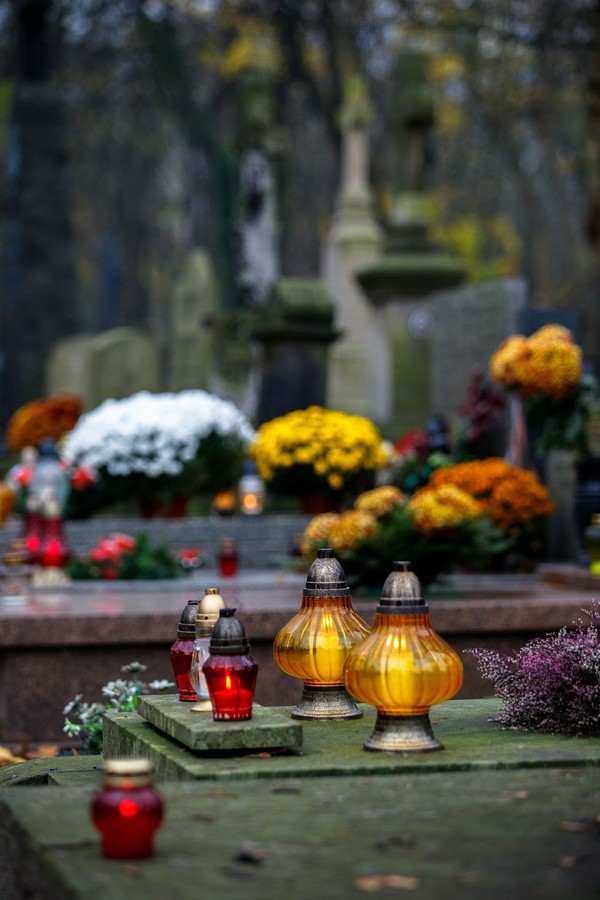
Each year on November 1st people in Poland travel around cemeteries to visit their loved ones who already passed away. During this day it is common for families to gather together and visit relatives' graves. In a symbolic matter, people bring gifts such as votive candles and flowers to place on the stone. Lighting a candle is not a mere act, it is an acnkowledgment of those whose spirits are still lingering in our hearts. During the visit, people also like to share stories about the person or pray and wonder in silence. With the fading color of leaves and usually gloomy weather, Poles indulge themselves in remembrance and memories of the lost past. Leading to the November 1st, people like to visit the graves of their loved ones to prepare for the celebration. They polish the stone and clean the space around it, so all new flowers and candles can be beautifully displayed.
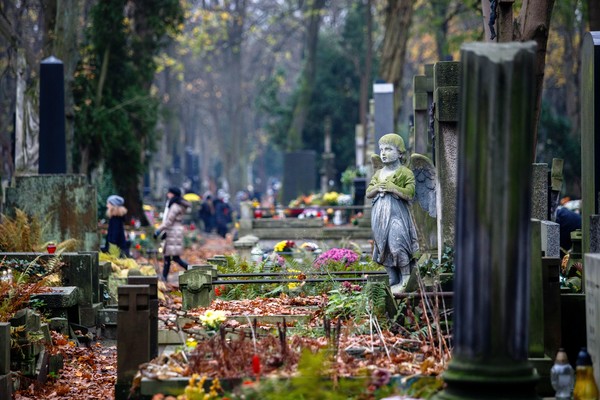
Some also visit not one but a couple of cemeteries, traveling to different cities and their hometowns. It is possible since it is a national holiday. There is no specific time to visit the cemetery. Those with children and those who see more cemeteries usually like to pay their respects at earlier hours. However, most people do it during the evening, when the beautiful and thought-provoking view of thousands of small glowing flames light up the space, providing an unforgettable experience.
Long before All Saints Day became an official holiday in Poland in the 9th century, the Slavic people honored their ancestors in a unique ritual known as “Dziady”. Dziady is rooted in the old Slavic tradition of honoring the ancestors. It happened on the evening of a seasonal change, usually between October and November. During this special night, the spirits of the dead were supposed to return to the living world, which made it possible to interact with them.
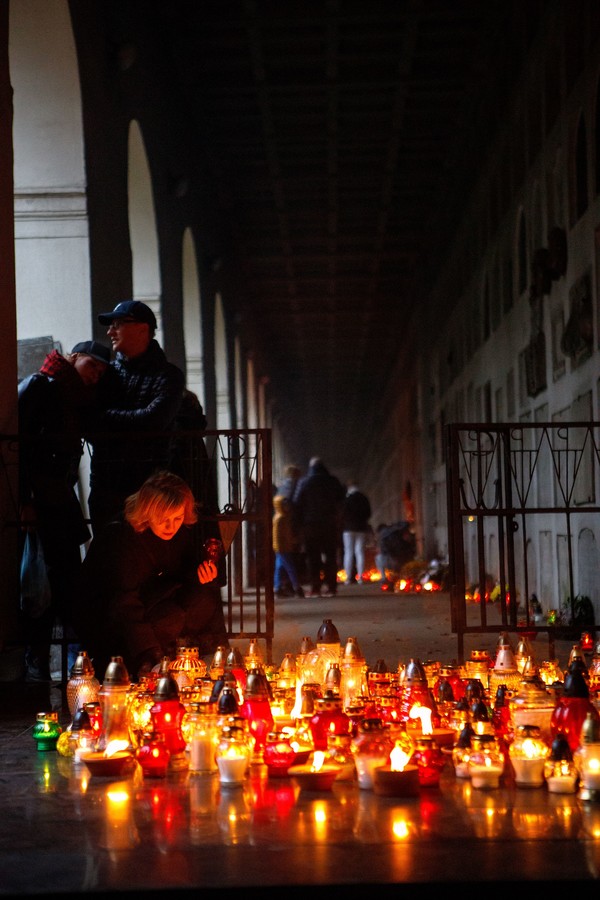
Because of that, people gather at the burial places to spend time with their relatives and leave some gifts for their souls such as bread and honey. Sometimes people also lighted a fire to keep the spirits warm or to keep negative spirits away. Dziady also included rituals to send ancestors back to the afterworld during which performers wore masks.
Even though it is a folk tradition that may not be remembered by many, it is still regarded as one of the most important holidays in Poland. As people leave the cemetery with their families and friends, they are reminded with the voulnerability of our lifes, the importance of human connection and ties with the ancestors.
주한폴란드대사관 제공