

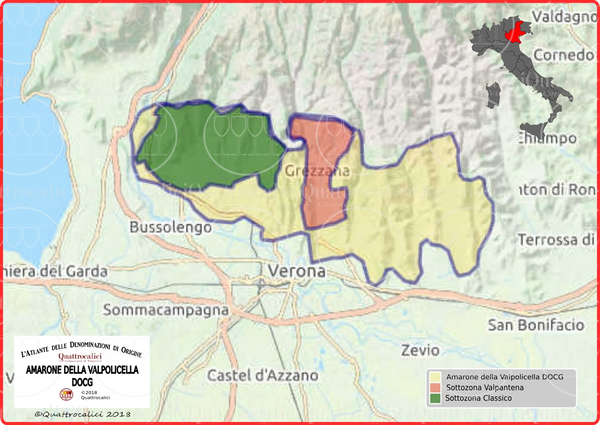
[아츠앤컬쳐] 발폴리첼라는 세계적으로 유명한 와인 산지로, 베로나 시 북쪽, 가르다 호수와 레시니 산맥의 알프스 고원 근처에 자리하고 있다. 이 지역의 포도 재배 역사는 고대 그리스 시대까지 거슬러 올라가는데, 고대 민족 라이티아인(Rhaetian) 역시 이 지역에서 포도 재배를 시작했을 가능성이 크다. 라이티아인들은 문화와 언어적으로 에트루리아인과 관련이 있는 것으로 보이며, 로마 정복 이전 오늘날의 오스트리아 티롤, 스위스 동부, 이탈리아 북동부 알프스 지역에 거주했다. 실제로 고대에 이 지역에서 생산된 와인은 ‘라이티아 와인(Rhaetian wines)’으로 알려졌으며, 한편 문헌 기록에는 부분적으로 건조된 포도를 사용하는 ‘그리스식’ 전통 양조 방식도 언급된다. 이 방식은 오늘날 발폴리첼라에서 아마로네 와인을 만들 때 사용되는 방법과 맞닿아 있다.
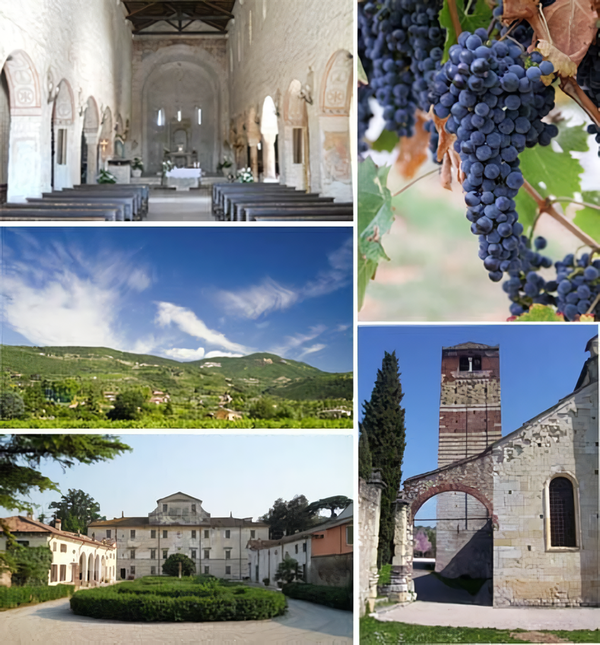
서기 6세기, 로마의 정치가이자 작가인 카시오도루스(Cassiodorus)는 말린 포도로 만든 발폴리첼라의 달고 진한 와인이 동고트족의 테오도리쿠스 대왕이 가장 즐기던 술이었다고 기록했다. 이보다 훨씬 이전, 베로나 인근에서 태어난 로마 시인 가이우스 발레리우스 카툴루스는 자신의 시에서 ‘칼리세스 아마리오레스(Calices amariores)’ 즉, 쓴 잔이라는 표현을 사용했는데, 이는 아마로네 와인의 선조를 가리키는 것일지도 모른다.
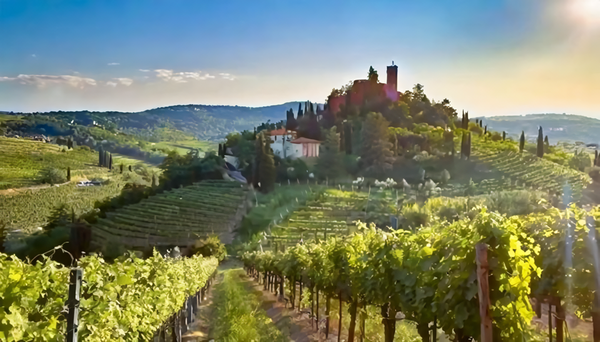
‘발폴리첼라(Valpolicella)’라는 이름은 12세기 문헌에서 처음 등장하며, 그 어원은 다소 불확실하여 오랫동안 논쟁의 대상이 되어왔다. 가장 널리 받아들여지는 이론은 라틴어 발리스 풀리켈라(vallis pulicellae)에서 유래했다는 것인데, 이는 ‘모래가 섞인 개울 주변의 숲이 우거진 계곡’을 의미하는 것으로, 오늘날에도 아디제 강을 따라 발폴리첼라 일부 지역에서 이러한 풍경을 확인할 수 있다.
발폴리첼라는 코르비나, 코르비노네, 론디넬라 품종으로 만든 다양한 발폴리첼라 DOC 레드와인으로 잘 알려져 있다. 일반적인 발폴리첼라 와인은 정규 수확기에 포도를 수확하지만, 일부 포도는 더욱 완숙한 풍미를 위해 포도나무에 더 오래 남겨둔다. 이렇게 늦게 익은 포도는 곰팡이가 생기기 전인 10월에 수확하며, 최상급 송이만을 골라 덮개가 있는 선반 위에 펼쳐 몇 달간 말린다. 로마 시대부터 전해 내려온 이러한 건조 방식은 ‘아파시멘토(appassimento)’라 불린다.
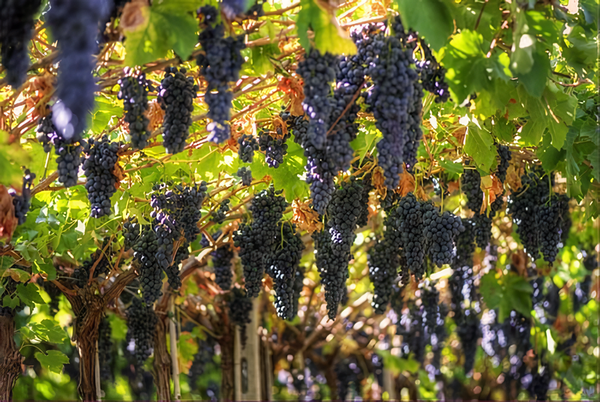
이 과정에서 포도는 수분이 증발하며 쭈글쭈글해지고, 당도와 향이 응축된다. 이후 완전히 발효되어 알코올로 전환되며, 이렇게 탄생한 와인이 바로 발폴리첼라를 대표하는 아마로네다. 아마로네는 최소 2년 이상 오크 배럴에서 숙성되며, 루비빛을 띠고 숙성될수록 석류빛으로 변화하는, 풍부하고 농밀한 풀바디 드라이 와인이다. 향은 체리, 자두, 블랙베리, 블랙 체리와 함께 달콤한 향신료, 다크 초콜릿, 감초의 뉘앙스를 아우르는 깊고 복합적인 부케를 지닌다.
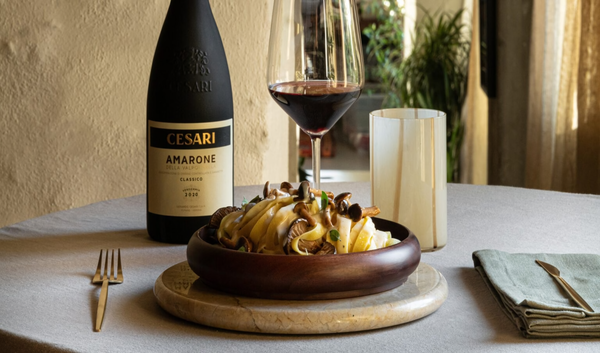
입안에서는 따뜻하고 부드러우며, 강렬한 구조감과 함께 길고 향긋한 여운을 남긴다. 잘 익은 붉은 과실과 다크 초콜릿, 향신료의 풍미가 조화롭게 어우러지고, 피니시에서는 쌉싸름한 아몬드와 허브 향이 인상적으로 이어진다.
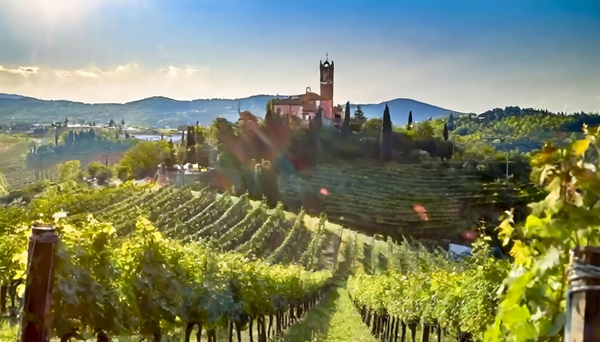
A journey to Valpolicella
Valpolicella is an internationally famous wine-growing area located just north of the city of Verona, near lake Garda and the pre-Alpine plateau of the Lessini Mountains.
Viticulture has been practiced in Valpolicella since at least the time of ancient Greeks, although it is likely that among the first to cultivate vines in this same zone were also the Rhaetian, an ancient people whose language and culture seem to be related to those of the Etruscans, and who inhabited the present-day Austrian Tyrol, eastern Switzerland and the Alpine regions of north-eastern Italy before the Roman conquest. In fact, the wines made in ancient times in these areas were known as “Rhaetian wines”, but in the other hand, documented sources also refer to a traditional winemaking method that was known as “Greek” which involved the use of partially dried grapes, as still happens today in the Valpolicella with the modern Amarone wines.
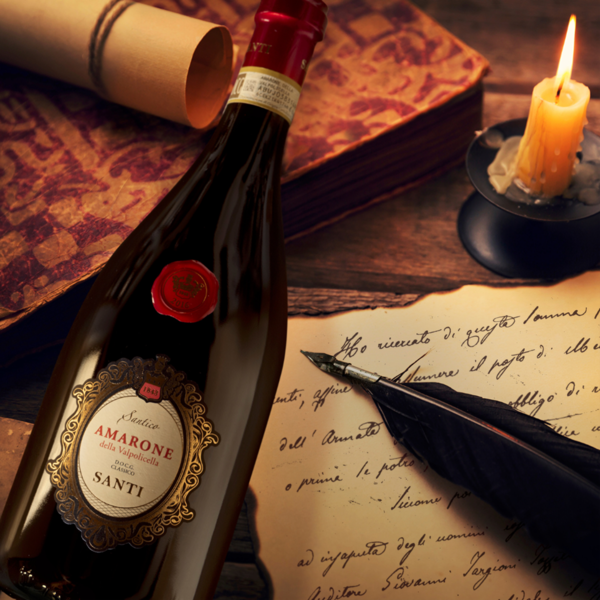
In the sixth century AD, the Roman statesman and writer Cassiodorus noted that the sweet, dense wine made in the Valpolicella from dried grapes was the favorite of Theodoric, the king of Ostrogoths. Long before that, however, the Roman poet Gaius Valerius Catullus, born near present-day Verona, spoke in some of his poems of “calices amariores”, “bitter glasses”, perhaps referring to an ancestor of Amarone wine.
The name “Valpolicella” appears for the first time in some XII century documents and its origin, rather uncertain, has been subject of debate for centuries. The most widely accepted theory is that this name derives from the Latin “vallis pulicellae”, meaning “wooded area near sandy streams”, as can still be seen today in some parts of modern-day Valpolicella along the Adige river.
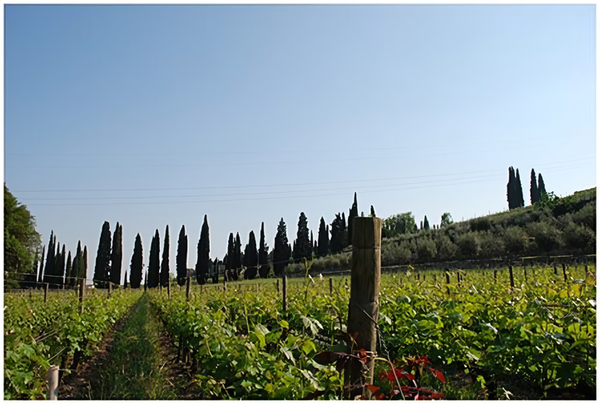
Valpolicella is a region renowned for its red wines, including various Valpolicella DOCs, made from Corvina, Corvinone and Rondinella grapes. However, while the grapes for these wines are picked during the regular harvest, some are left to hang on the vines for a longer period to achieve further ripeness. These late-ripening grapes are harvested in October, before mold develops, and the best bunches are laid out on covered racks and left to dry for some months using a method known since Roman times as “appassimento”. This causes the grapes to shrivel, concentrating their sugar and aromas which ferment and transform entirely in alcohol. The resulting wine, the renowned Amarone, is aged in oak barrels for at least two years. It is a fairly ripe and full-bodied dry wine with a ruby red color that tends toward garnet with aging. The broad, complex bouquet includes hints of cherries, prunes, blackberries, black cherries, sweet spices, dark chocolate and licorice.
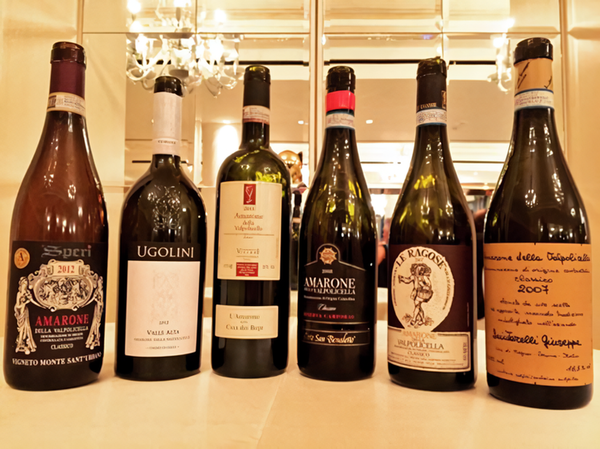
The taste is warm, smooth, enveloping, with a powerful structure and a long, aromatic finish, featuring harmoniously interwoven notes of red ripe fruit, dark chocolate and spices. The finish is intense, with an aftertaste of bitter almonds and aromatic herbs.

글 | 에밀리아노 펜니지 Emiliano Pennisi
Wine scholar and expert
He attended sommellier courses in Italy
Lecturer of the Italian Cultural Institute in Seoul
Sogang University lecturer of Italian language