

Priorat, The Stairway to God
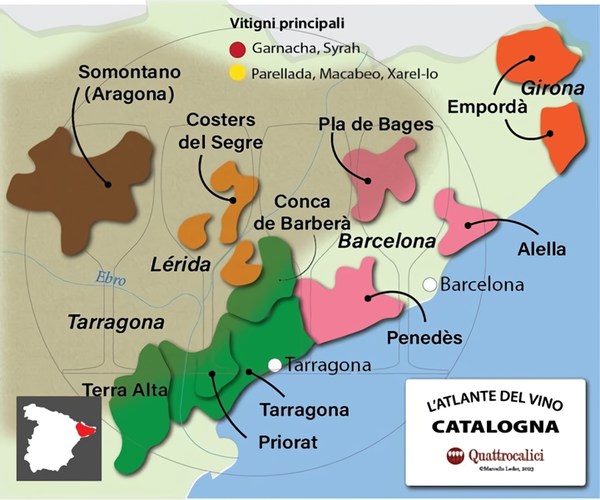
[아츠앤컬쳐] 바르셀로나에서 남동쪽으로 약 140킬로미터 떨어진 카탈루냐의 험준한 산악 지대에 자리한 프리오라트(Priorat)는 신화와 와인을 위해 빚어진 듯한 곳이다. 그 이름에는 신앙심이 깃들어 있으며 오랫동안 이 아름다운 땅에서 살아온 수도사들의 흔적이 담겨 있다.
프리오라트에서는 로마인들이 도착하기 훨씬 이전부터 포도 재배가 이루어졌지만, 이 지역이 현재의 이름을 얻게 된 것은 중세 시대다. 그 역사는 12세기로 거슬러 올라간다. 아라곤의 알폰소 2세 국왕은 1194년 무어인들로부터 탈환한 카탈루냐 지역에 가톨릭 신앙을 다시 정착시키기 위해 타라고나 인근에 카르투시오회 수도원을 세웠다. 전설에 따르면 어느 날 한 목동이 소나무에 걸쳐진 사다리를 타고 천사들이 하늘로 올라가는 환상을 보았고, 이 환상에 감동한 카르투시오회 수도사들은 이곳이 신의 은총이 깃든 장소라 믿고 이 지역에 정착하게 되었다고 한다.
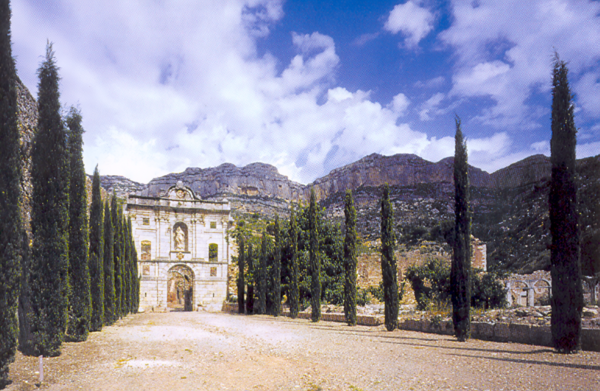
이 매혹적인 이야기가 지역 주민들 사이에 널리 퍼져나가고, 이곳에 거주하던 수도사들이 점차 포도 재배를 도입하였다. 곧 이 수도원은 카탈루냐어로 ‘라 카르투이샤 데 에스칼라데이(La Cartoixa d’Escaladei)’, 즉 ‘신의 계단 카르투시오 수도원’으로 알려지게 되었다. 이후 수 세기에 걸쳐 이 수도원의 원장들은 인근 일곱 개 마을을 봉건 영주처럼 다스렸고, 그 결과 이 지역 전체가 스페인어로 ‘프리오라트(Priorat)’ 또는 ‘프리오라토(Priorato)’라 불리게 되었다.
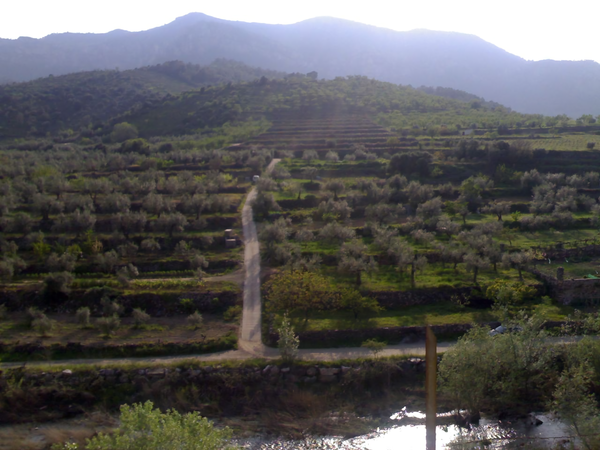
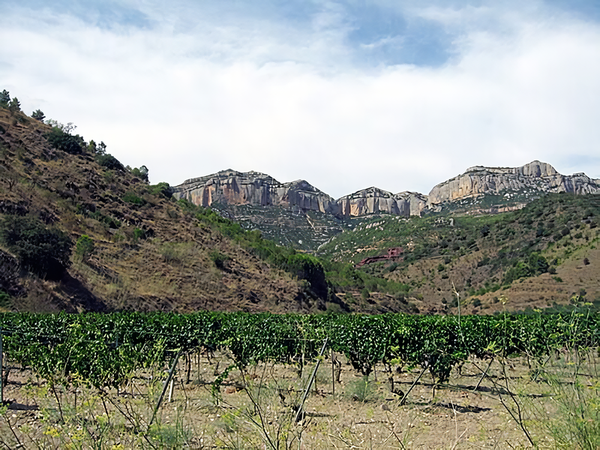
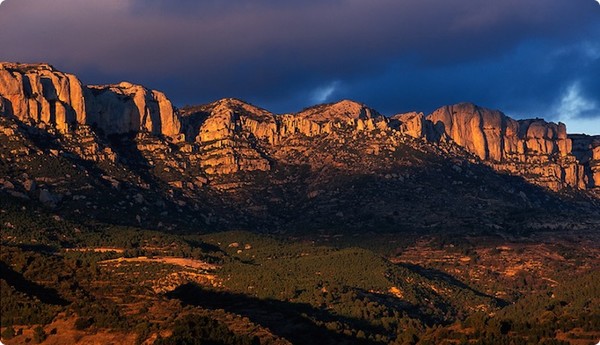
지리적으로 프리오라트는 극적인 풍경을 지닌 곳이다. 약 2,000헥타르에 이르는 포도밭은 산악 지형 곳곳에 흩어져 있으며, 몇몇 작은 마을 주변의 가파른 오래된 계단식 경사지에 자리 잡고 있다. 많은 포도나무는 해발 700~900미터 높이의 급경사면에 심어져 있는데, 카탈루냐어로 ‘코스테르(costers)’라 불리는 이러한 경사지가 이 지역의 특징이다. 기후는 전형적인 지중해성 기후이지만 무더운 여름과 추운 겨울, 적은 강수량으로 환경이 결코 온화하지 않다. 그러나 무엇보다 프리오라트를 규정하는 것은 바로 토양이다. 이 지역의 척박하고 바위가 많으며 쉽게 부서지는 슬레이트 성질의 토양은 ‘리코렐라(llicorella)’라 불리는데, 검은빛을 띠는 색 때문에 ‘감초(licorice)’라는 이름으로도 알려져 있다. 이러한 토양은 포도나무를 뒤틀리고 굽은 형태로 자라게 하지만, 동시에 물과 미네랄을 찾아 뿌리를 깊이 내리게 하여 뛰어난 응축미와 풍부함을 지닌 포도를 생산하게 한다.
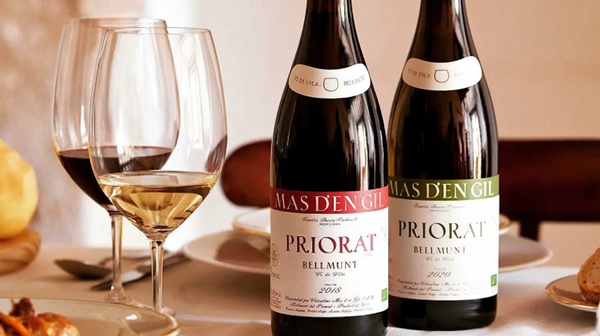
프리오라트 와인은 스페인에서 가장 강렬하고 구조감이 뛰어난 풀바디 레드와인 가운데 하나로 평가된다. 주로 가르나차(Garnacha)와 카리냥(Carignan)이라는 토착 품종을 기반으로 하는데, 이 품종들은 프랑스 남부와 이탈리아 사르데냐 섬에서도 널리 재배된다. 여기에 카베르네 소비뇽, 메를로, 시라 같은 품종이 소량 블렌딩되기도 하며, 프리오라트의 레드와인은 농밀하고 강렬하며 깊은 표현력을 지닌 것이 특징이다.
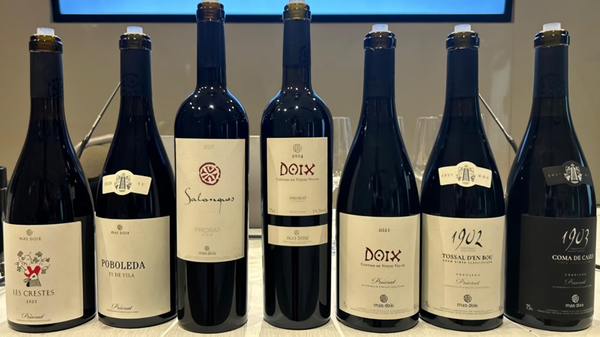
이 와인들은 진한 붉은색을 띠며 블랙베리, 자두, 체리의 풍부한 향과 함께 감초와 쌉싸름한 코코아의 뉘앙스, 로즈마리와 타임 같은 지중해 허브 향, 그리고 리코렐라 슬레이트 토양에서 비롯된 은은한 스모키에 미네랄 향을 지닌다. 맛은 풍부하고 긴 여운을 남기며, 뚜렷한 탄닌이 시간이 지남에 따라 부드러워지고 잘 익은 과일과 미네랄감이 균형을 이루며 풍미가 오래 지속되는 여운을 남긴다.
Priorat, The Stairway to God
In the rugged mountains of Catalonia, about 140 kilometers southeast of Barcelona, lies Priorat, a place that seems carved for myth and wine alike, its name evoking devotion and carrying echoes of the monks who long lived in this land of stubborn beauty.
Vines grew in Priorat for centuries before the Romans arrived there, but the region acquired its name during the Middle Ages. The history begins in the twelfth century when King Alfonso II of Aragon founded in 1194 a Carthusian monastery near Tarragona to bring the Catholic religion back to the part of Catalonia that he had recently reconquered from the Moors. A legend tells that one day a shepherd had a vision of angels ascending to heaven by a ladder resting on a pine tree, and this vision inspired the Carthusian monks to settle in the area, believing that it was touched by divine grace.
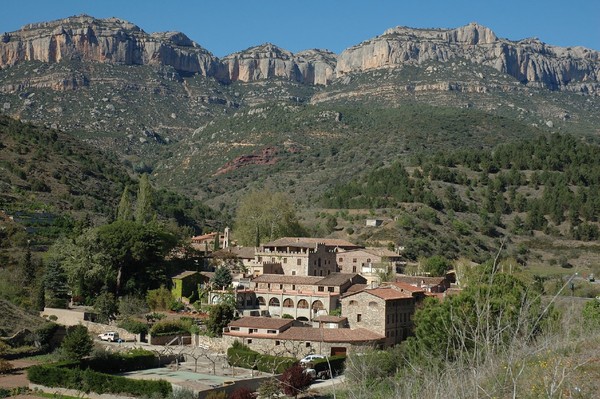
Such a fascinating story spread among the locals, while the monks who were living there gradually introduced viticulture, and the monastery soon became known in Catalan as “La Cartoixa d’Escaladei”, “The Charterhouse of the Stairway of God”. For centuries, over time, the priors of this monastery ruled seven nearby villages like feudal lords so much so that the entire territory was from then called “Priorat”, or “Priorato”, in Spanish.
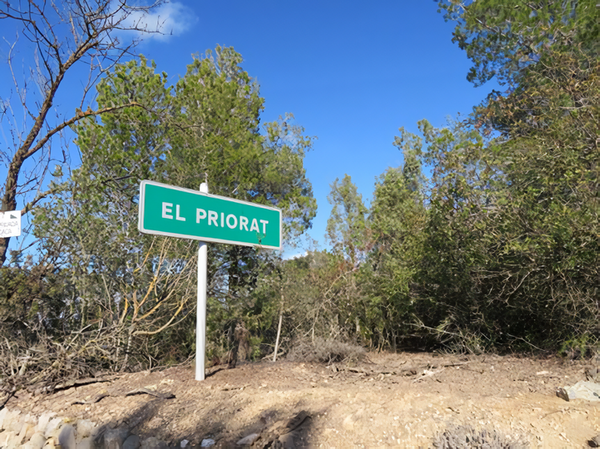
Geographically, Priorat is a dramatic landscape: the nearly two thousand hectares of vineyards are scattered over mountainous terrain dotted with a handful of villages, where many of the vines are planted on steep, old terraces (“costers” Catalan for “slopes”) between 700 and 900 meters of altitude. The climate is Mediterranean yet harsh with hot summers, cold winters and scarce rainfall, but it is the soil that defines Priorat above else. The region’s poor, rocky, brittle, slate-like soil called locally “llicorella”, “licorice”, for its blackish color, forces vines to protrude gnarled and contorted allowing them, however, to push their roots deep in search of water and minerals. The result is grapes of remarkable intensity and richness.
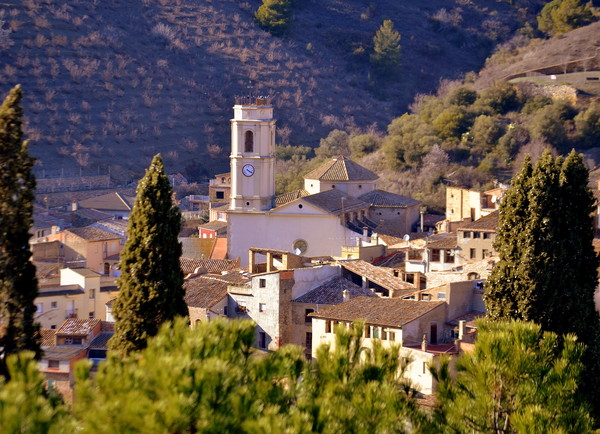
The wines of Priorat are some of the most intense, full-bodied, structured red wines in Spain and they are based primarily on two indigenous grapes, Garnacha and Carignan which are widely planted in southern France and in the Italian island of Sardinia as well. Often blended in small amount with other grapes such as Cabernet Sauvignon, Merlot and Syrah, Priorat red wines are luscious, powerful and deeply expressive.
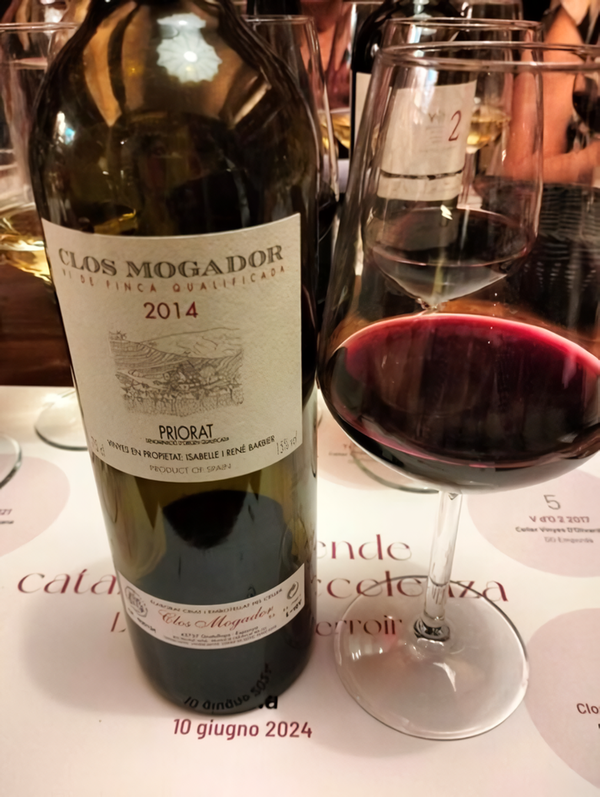
These wines are dark-red in color with an intense bouquet of blackberries, plums, cherries, hints of licorice, bitter cocoa, Mediterranean herbs such as rosemary and thyme and a light smoky, mineral undertone from the llicorella slate soil. The taste is full-bodied, long-lasting, with pronounced tannins that soften over time, a balance of ripe fruit and minerality, and a long, persistent finish with savory nuances.

글 | 에밀리아노 펜니지 Emiliano Pennisi
Wine scholar and expert
He attended sommellier courses in Italy
Lecturer of the Italian Cultural Institute in Seoul
Sogang University lecturer of Italian language