

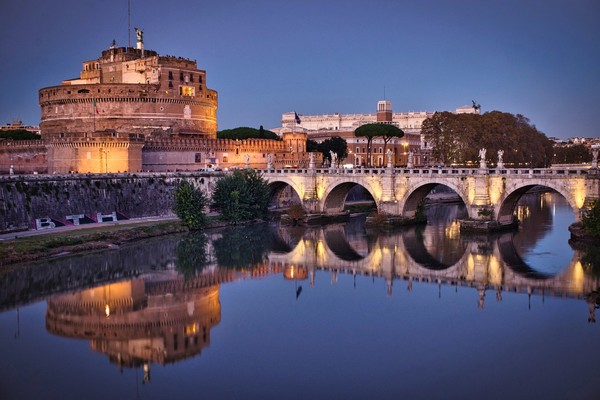
[아츠앤컬쳐] 라치오는 역사, 자연, 고고학 유적지 및 문화 지역으로 수도 로마와 바티칸 시국 외에도 전 지역에 불가사의한 유적이 많다. 우선 세계에서 역사, 고고학, 건축학 유산이 가장 많이 집중된 로마의 웅장한 기념물, 수백 개의 교회 및 장엄한 분수를 돌아볼 필요가 있다. 로마는 빌라 보르게세, 빌라 도리아 팜필리, 빌라아다 사보이아와 같은 장엄한 빌라, 연못, 정원, 공원으로 인해 유럽에서도 가장 녹색 도시 중 하나로 꼽힌다.
또한, 광대한 아피아 안티카 지역 공원과 같이 역사, 자연주의 특성의 녹색 허파를 지니고 있으며 오렌지 정원, 핀치오 언덕 및 자니쿨룸 언덕 등 도시의 정경을 감상할 수 있는 장소들도 곳곳에 있다.
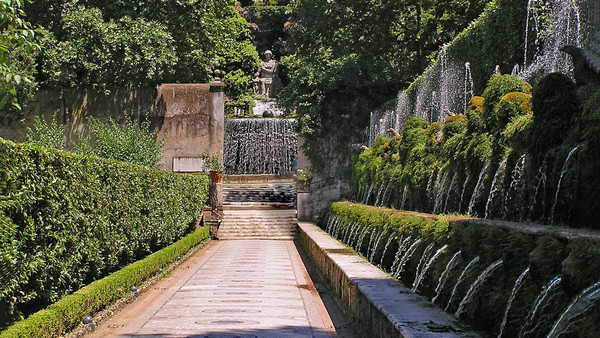
로마에서 약 30km 동쪽에 로마 아우구스투스 시대 저명한 시인 베르길리우스의 서사시 에네이데에서 ‘티부르 수페르붐’으로 언급된 도시 티볼리는 로마 시대부터 풍경, 고도 및 청정수로 유명하다. 놓치면 안 되는 대표적인 명소에 비아 티부르티나 북쪽의 레지나 호수와 콜로넬 호수에서 유래한 아퀘 알불레(라틴어 “알불라”는 희끄무레한 물을 의미) 온천 스파가 있다. 또한, 빌라 데스테, 빌라 아드리아나 및 빌라 그레고리아나와 같은 멋진 빌라를 통해 티볼리가 로마시대부터 여름 휴양 도시였음을 알 수 있다.
로마와 나폴리 사이에는 “티레니아해의 하얀 진주”라고 불리는 해안 마을 스페르롱가가 있다. 동굴을 의미하는 라틴어 ‘스펠룬카’에서 파생된 이름에서 알 수 있듯 이 도시는 동굴로 유명하다. 회칠한 집과 바다가 내려다보이는 좁은 골목의 바위 구간을 넘어서 스펠롱가는 중세 모자이크를 보존하고 있는 12세기 초의 산타마리아 교회와 함께, 동굴에서 발견된 오디세우스의 업적을 기리는 조각품들을 소장하고 있는 티베리우스 빌라가 유명하다.
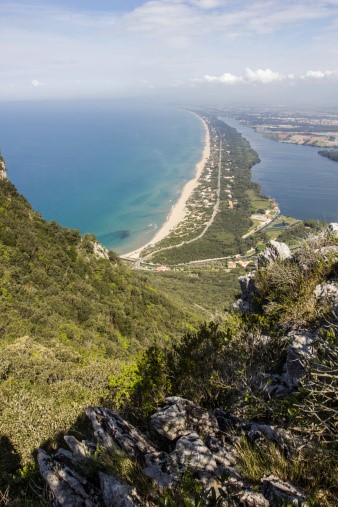
안지오와 테라치나 해안 사이에 드넓게 펼쳐진 보호구역 치르체오 국립공원(1934) 또한 놓치면 안 되는 곳이다. 치르체오 국립공원은 유네스코 생물권 보호 구역으로 치르체오 산과 자노네 무인도까지 포괄하며, 생물다양성과 생명으로 가득하고 다양한 동식물이 서식하는 해안 사구, 숲, 곶, 습지가 있다. 이탈리아에서 가장 오래된 국립공원 중 하나인 치르체오 국립공원은 마법과도 같은 고다양성 환경을 보유하고 있으며 방문객에게 환경 교육 활동을 제공한다.
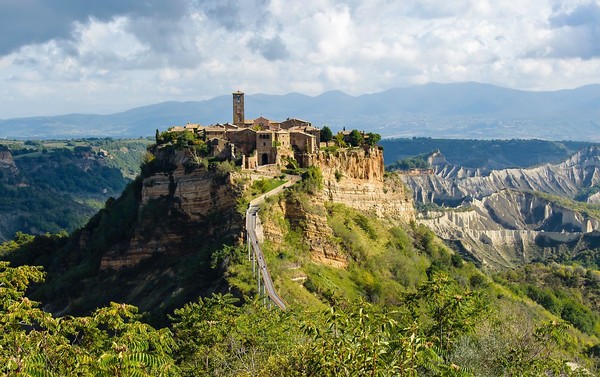
라치오 지역에서도 가장 역사적인 장소로는 2,500년 전 에트루리아인에 의해 설립된 치비타 디 바뇨레지오가 있다. 이 도시는 산의 퇴적암을 직접 파낸 접근 터널인 부카이오네와 같이 여전히 에트루리아 시대의 흔적이 많이 남아 있다. 바뇨레지오는 작지만 계속 번성해 내려오는 마을이며, 오래된 구시가지는 ‘죽어가는 도시’로 유명하다. 포르타 산타 마리아가 오늘날 이 마을의 유일한 접근로이며, 그 아래를 지나가면 폭정을 짓밟는 바뇨레지오 주민들의 상징으로, 인간의 형상을 짓밟는 사자의 화려한 장식을 감상할 수 있다.
라치오는 카르초피 알라 로마나, 그리치아 스파게티, 까시오 에페페 카르보나라 스파게티 등 구안치알레(돼지고기 볼 소금 절임)와 페코리노 로마노 치즈를 주재료로 하는 요리들이 유명하다. 요컨대, 라치오는 단순한 수도권 지역 그 이상으로 찾아볼 가치가 충분한 정취와 풍경으로 가득하다!
번역 | 김영린 주한이탈리아문화원 홍보담당
Lazio
The region of Lazio is full of history, nature, archeological sites and places of cultural interest. Including the province of Rome and Vatican City, there are lot of more wonders to discover throughout the Lazio Region.In the city of Rome itself, you have to look for a moment the grandiose monuments, the hundreds of churches and the spectacular fountains of Rome that makes the city with the highest concentration of historical, archaeological and architectural heritage in the world. Rome is also the one of the greenest city of Europe, thanks to its parks, gardens, ponds and splendid villas including Villa Borghese, Villa Doria Pamphili, Villa Ada Savoia, Villa Torlonia.
Furthermore, the capital has real green lungs of historical and naturalistic interest, such as the vast Appia Antica Regional Park, and suggestive panoramic points over the city, such as the Orange Garden, the Pincio Hill and the Janiculum Hill.
Moving forward east about 30 kilometers from Rome, you encounter Tivoli, mentioned as “Tibur Superbum” in the epic Eneide of the famous Augustian period poet Vergilius. This city was famous since the Roman times due to its landscape, altitude and good water. One of the representative spot that you can’t miss is the Terme di acque Albule (from the Latin word "albula" meaning whitish water) with thermal water deriving from Lakes Regina and Colonnelle, north of Via Tiburtina. Tivoli
has also been an appreciated summer residence city since Roman period and still today you can witness it through it fancy villas: Villa d'Este, Villa Adriana and the Villa Gregoriana.
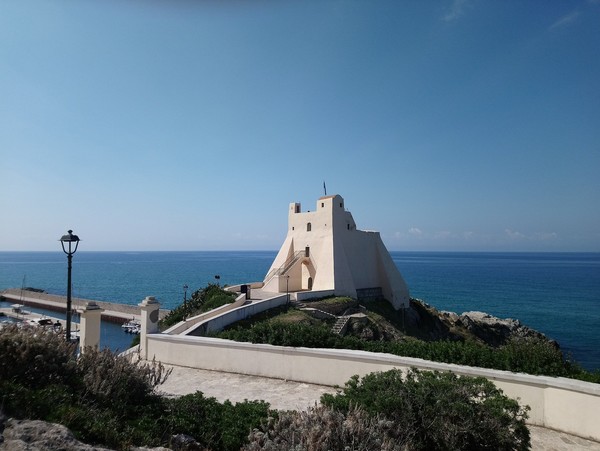
Between Rome and Naples, there is coastal town Sperlonga called as “The white pearl of the Tyrrhenian Sea”. It is mainly known for its grotto which we can find it by its name “Sperlonga” derived from the Latin word “Spelunca”, meaning cave. Over the rocky area with whitewashed houses and narrow alleyways overlooking the sea, we can see at Sperlonga the early 12th century Santa Maria church that preserves the medieval mosaics and the Villa of Tiberius showing the groups of sculpture found in the grotto celebrating the deeds of Odysseus.
You can’t miss also the National Park of Circeo (1934), a wide protected area along the coast between Anzio and Terracina, UNESCO Biosphere reserve that also includes Mount Circeo and the uninhabited island of Zannone. The National Park of Circeo is full of biodiversity and life. Inside there are coastal dunes, forest, promontory, wetlands with a variety of flora and fauna. As one of the oldest National Parks in Italy, the National Park of Circeo owns a magical high-diversity environment and provides environmental education activities for visitors.
One of the most historical places in the region of Lazio is the Civita di Bagnoregio, which was founded by the Etruscan more than 2,500 years ago. The city has still a lot of traces of the Etruscan Period as the Bucaione, the access tunnel dug directly into the sedimentary rock of the mountain. Bagnoregio continues as a small but prosperous town, while the older site became known in Italian as “La città che muore” ("The Dying Town").
Porta Santa Maria is today the only access to the village and, passing under it, it is possible to admire the splendid decorations of lions that crush some human figures: they are the symbol of the inhabitants of Bagnoregio who crush tyrannies.
Lazio is also famous for its culinary tradition, typical dishes are Carciofi alla Romana, Spaghetti all’amatriciana, Spaghetti alla Gricia, Pasta Cacio e Pepe and Spaghetti alla Carbonara that use as an important ingredient the Guanciale (cured pork cheek) and the Pecorino Romano cheese. Definitely, Lazio is much more than just the region where the capital of Italy is located, but is full of flavor and landscape ready to be discovered!

글 | 미켈라 린다 마그리 Michela Linda Magrì
Director at the Italian Cultural Institute in Seoul Cultural Attachè of the Embassy of Italy in Korea