

Residenze Sabaude Piemontesi:
Reggia di Venaria Reale e Palazzina di Caccia di Stupinigi
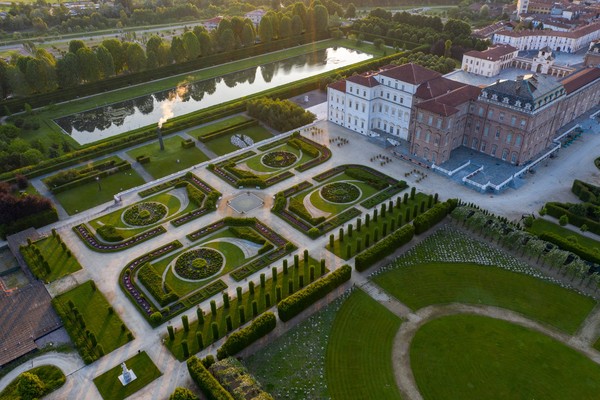
[아츠앤컬쳐] 이탈리아 바로크 건축에 대한 열정이 있다면 피에몬테 주, 특히 토리노 지역에 있는 수많은 사보이 왕가 저택의 일부인 베나리아 레알레 궁전과 왕실 사냥용 별장인 스투피니지 궁전을 반드시 방문해야 한다. 풍부한 유네스코 세계 문화 유산 목록에 등장하는 이탈리아 여러 명소들 가운데, 사보이 왕가의 거주지는 1997년에 주목할 만한 랜드마크들 중 하나로 당당히 등재되었다.
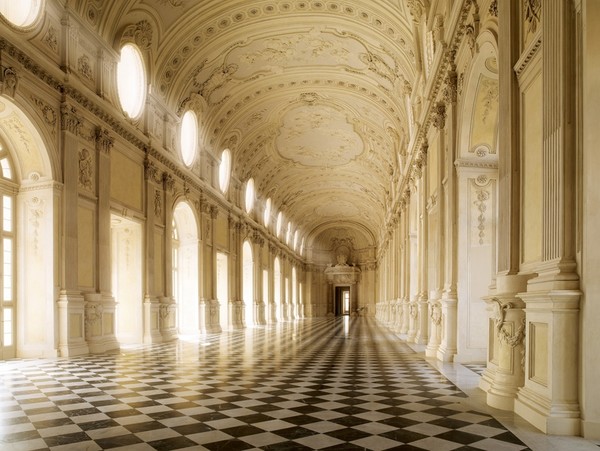
베나리아 레알레는 토리노 외곽에 있는 작은 도시이다. 이 소도시는 진정한 보석 하나를 품고 있는데, 숨막힐 듯 아름다운 정원이 있는 레지아 (궁전)가 바로 그것이다. 궁전에서 가장 인상적인 부분은 두말할 나위 없이 필립포 유바라가 설계한 그레이트 갤러리로 알려진 남쪽 건물이다.
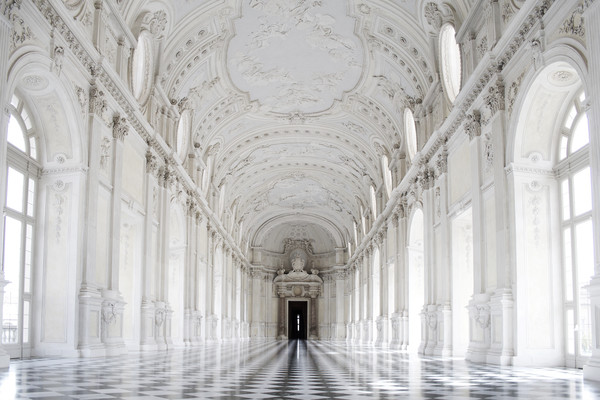
이탈리아 조각가 피에트로 필립포 소마쏘, 주세페 볼리나, 안토니오 파파, 조밤바티스타 산바르톨로메오가 이 건물을 화려하게 장식했으며, 타원형과 직사각형의 창들이 만들어내는 천장의 명암 효과는 갤러리의 웅장함을 더욱 돋보이게 해준다.
정원 역시 필립포 유바라가 설계한 것이다. 그는 미켈란젤로 가로베의 초기 프로젝트를 넘겨받아 정원을 설계하고 감귤류의 저장고로 쓰인 치트로니에라, 마구간 및 갤러리를 완성했다. 현재의 배치는 18세기의 원래 디자인을 반영한 것이며, 장미 정원, 테라스, 왕궁 산책로, 숲, 그랑 파르테르와 같은 여러 부분으로 구성되어 있다.
궁전은 70년대 후반에 개조되었는데, 이는 당시 유럽에서 가장 큰 복원 프로젝트였다. 보수 작업을 거쳐 대중에게 다시 개방되기 전에 궁전은 18세기 후반부터 사용되지 않고 있었으나, 그 후에는 군사 기지로 쓰였다.
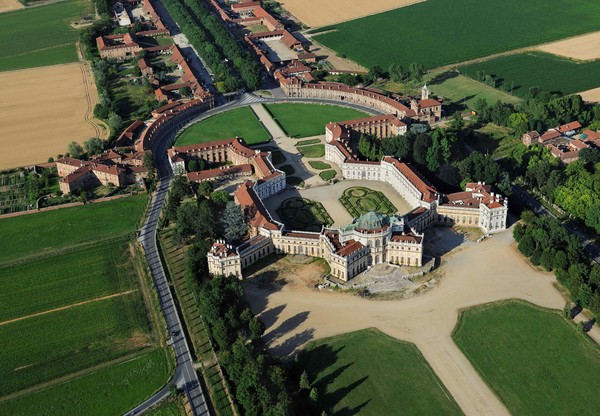
반면에, ‘팔라치나 디 까챠’로 알려진 아름다운 스투피니지 궁전은 18세기 초에 사보이 왕가가 여가시간을 보내는 사냥 별장으로 사용되었’다. 후에, 빗토리오 아메데오 2세가 왕이었을 때 필립포 유바라가 프로젝트를 넘겨받아 스투피니지 궁전을 설계했는데, 중심 건물에서 성 안드레아의 십자가 모양인 X자 형태로 4개의 측면 건물이 뻗어 나가는 것을 특징으로 한다.
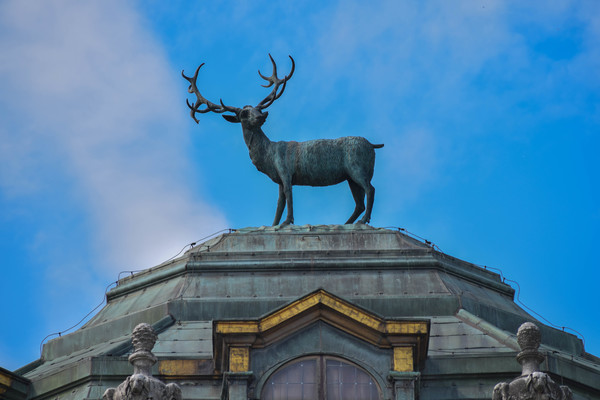
사실 이 저택의 가장 독특한 특징은 중앙 돔 지붕 위에 프란체스코 라다테가 만든 청동 사슴 조각상이 올라가 있다는 것인데, 꽤 멀리에서도 보인다고 한다. 베나리아 궁전과 매우 유사한 스투피니지 궁전에는 프랑스 정원사 미카엘 베르나르가 설계한 굉장히 아름다운 정원과 화단이 있으며, 토리노까지 곧장 연결되는 약 10km에 달하는 긴 도로가 나 있다.
1731년에 최초의 사냥을 시작한 후로 스투피니지 궁전은 확장되었다. 1800년대에 이집트 총독 무하마드 알리가 당시 사르데냐 왕이었던 카를로 펠리체에게 선물한 코끼리 한 마리가 정원에 있었다는 사실도 재미있는 일화이다.
Residenze Sabaude Piemontesi:
Reggia di Venaria Reale e Palazzina di Caccia di Stupinigi
If you are passionate about Italian Baroque architecture, you should definitely visit the Reggia di Venaria Reale and Palazzina di Caccia di Stupinigi, both part of the great number of Residences of the Royal House of Savoy that can be found in Piedmont, especially close to the Torino area. Among the manifold Italian places that appear in the rich list of UNESCO World Heritage Sites, the Residences of the Royal House of Savoy were registered as part of these remarkable landmarks in 1997.
Venaria Reale is a small town in the outskirts of Torino, where a true gem can be found: the Reggia (Palace), which also comprises of breathtaking gardens. The most impressive part of the Palace is undoubtedly the southern wing, known as the Great Gallery, designed by Filippo Juvarra.
Enriched with decorations by Italian sculptors Pietro Filippo Somasso, Giuseppe Bolina, Antonio Papa and Giovambattista Sanbartolomeo, the lights and shadows effects on the ceiling created by oval and rectangular windows enhance the magnificence of the Gallery.
The Gardens were also designed by Filippo Juvarra, who took over the initial project by Michelangelo Garove, and also completed the Citroniera, the Stables and the Gallery. The current layout reflects the original design of the 18th century and it consists of multiple parts, such as the Rose Garden, the Terrace and Royal Alley, the Groves and the Grand Parterre.
The Palace was renovated in the late 70s, and this was the largest restoration project in Europe. Before its renovation and its re-opening to the public, the Palace had been left in disuse from the late 18th century but then used as a base for military purposes.
The Haunting Residence of Stupinigi, known as Palazzina di Caccia was instead used as a free-time hunting lodge for the House of Savoy in the early 18th century. Later on, when Victor Amadeus II was King, Filippo Juvarra took over the project and its design, characterized by a core building where four wings develop, forming a St. Andrew’s Cross.
The Residence most distinctive trait is definitely the bronze deer place on top of the central dome’s roof, created by Francesco Ladatte, visible from quite far away. Stupinigi, much like the Palace of Venaria, has a stunning array of parterres and flowerbeds designed by French gardener Michael Benard, and a long avenue of about 10 kilometers that directly connects the lodge to Torino.
The first ever haunt took place in 1731 and from that, the Palazzina was enlarged. A fun fact is that during the 1800s, the Gardens hosted an elephant, gifted by the viceroy of Egypt Mohamed Ali to the back-then King of Sardinia Carlo Felice.

글 | 미켈라 린다 마그리 Michela Linda Magrì
Director at the Italian Cultural Institute in Seoul
Cultural Attachè of the Embassy of Italy in Korea