

The World’s First Music Idol – Ferenc Liszt
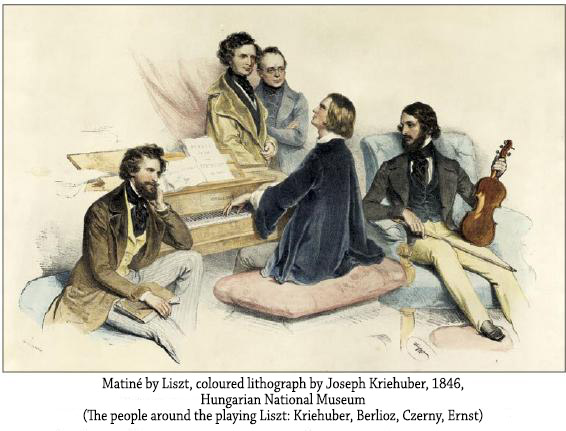
[아츠앤컬쳐] 페렌츠 리스트는 당대 가장 유명한 피아니스트 중 한 명이자 대담하고 혁신적인 작곡가, 지휘자, 음악 교육자, 그리고 음악 작가였다. 19세기 헝가리 음악가 중 가장 뛰어난 인물인 그는 국경을 넘어 음악사에 위대한 인물로 자리매김했다. 어린 시절부터 유럽 전역을 순회하며 왕족과 귀족들 앞에서 연주하면서 항상 헝가리에 깊은 애정을 간직하고 있었다. 그는 한 편지에서 이렇게 표현했다. “헝가리어에 대한 제 유감스러운 무지함에도 불구하고, 저는 태어나서부터 죽을 때까지 마음과 영혼으로 헝가리사람입니다. 따라서 헝가리 음악 문화의 발전을 진심으로 바라고 있습니다.”
1811년 헝가리 쇼프론 주의 작은 마을에서 태어난 리스트는 헝가리 에스테르하지 공작의 영지를 관리하던 아버지의 지원 아래 음악 인생을 시작했다. 9세에 이미 쇼프론과 포조니(현 브라티슬라바)에서 연주회를 열었고, 곧 비엔나로 진출해 저명한 작곡가들에게 배웠다. 12세 때는 더 나은 교육을 위해 아버지와 함께 파리로 떠났다.
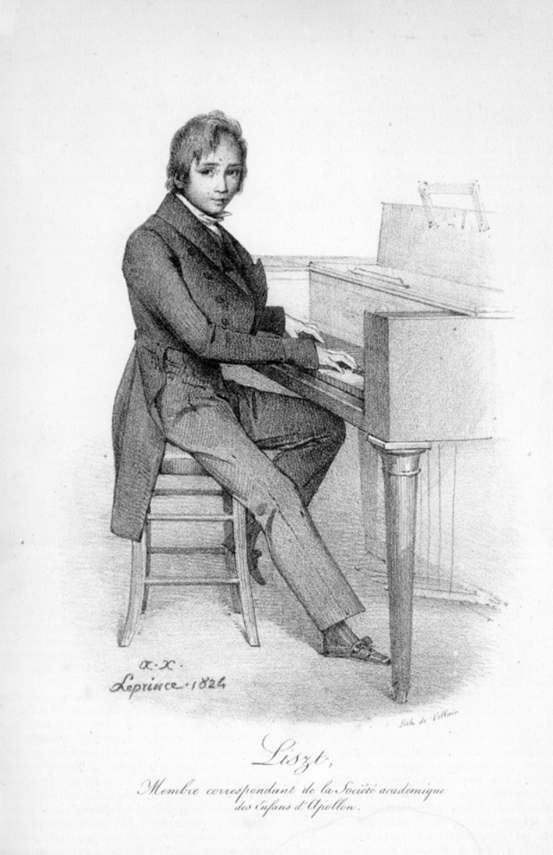
페렌츠 리스트는 이전의 어떤 연주자도 경험하지 못한 수준의 명성과 대중적 사랑을 누렸다. 이른바 ‘리스트 열풍’으로 그의 연주를 둘러싼 열광적인 팬들은 그의 손수건이나 장갑 같은 개인 소지품을 얻기 위해 경쟁했으며, 그의 초상이 담긴 장신구를 착용하고 그의 머리카락이나 부러진 피아노 줄 조각을 기념품으로 간직하기도 했다.
이 시기에 리스트는 마리 다구를 만나 블란딘, 코지마, 다니엘 세 자녀를 두었다. 파리에서 그는 파가니니의 바이올린 연주와 베를리오즈의 환상교향곡에서 영감을 받아 자신의 피아노 연주 기량을 더욱 갈고닦았다. 그는 또한 쇼팽과 슈만 같은 피아노 음악의 대가들과 우정을 쌓고 예술적 영감을 나누었다.
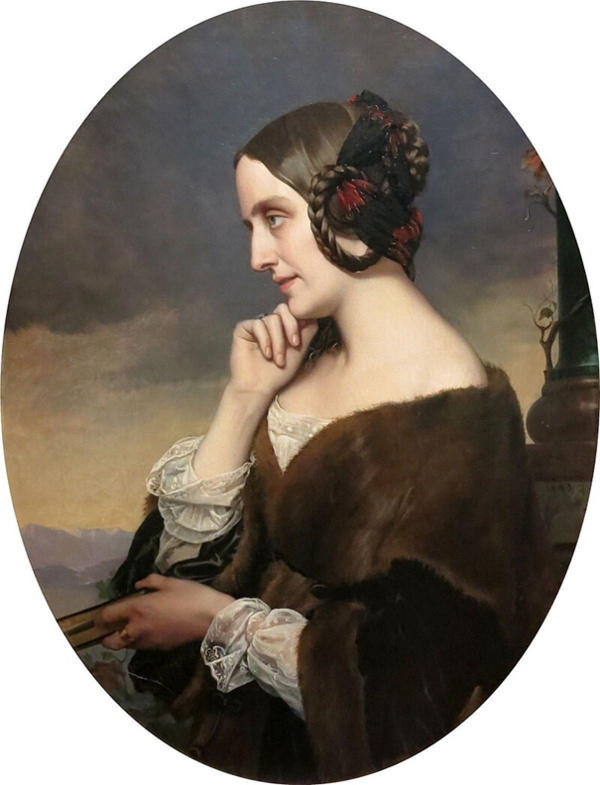
또한, 그는 관대함으로 유명하여 헝가리 국립극장의 건축을 지원하고, 1838년 페스트의 홍수 피해자들을 위해 연주 수익금을 기부하기도 했다. 러시아 순회공연 중에는 새로운 음악 운동을 접하고, 그의 또 다른 연인이 된 카롤린 폰 자인 비트겐슈타인 공작부인을 만났다. 1840년대 초 그는 바이마르에 정착해 궁정극장의 음악 교사이자 지휘자로 활동하며 바그너, 베를리오즈, 베르디 등 유망한 인재를 지원했다. 말년에는 아들 다니엘(1859년), 딸 블란딘(1862년), 어머니(1866년)의 사망으로 인해 큰 슬픔을 겪었으나, 바이마르, 로마, 부다페스트를 오가며 활동을 계속했다.
1875년, 리스트는 부다페스트 음악원(현재 페렌츠 리스트 음악원)의 초대 총장으로 임명되었다. 헝가리와의 인연은 더욱 깊어졌고, 절친한 친구인 언털 어우구스 남작의 섹사르드 영지를 방문하는 등 헝가리에서 많은 시간을 보냈다. 생애 마지막까지 리스트는 유럽 전역에서 모여든 헌신적인 제자들과 팬들의 사랑을 받았다. 그의 유산은 헝가리 출신의 제자 이슈트반 토만과 아르파드 센디를 통해 다음 세대의 작곡가들, 특히 에르뇌 도흐나니와 벨라 바르톡에게 전해졌다. 그들의 노력으로 리스트의 음악적 영향력은 오늘날 전 세계에 이어지고 있다.
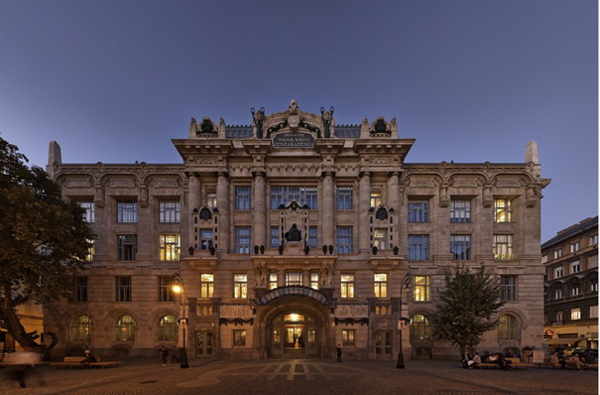
주한리스트헝가리문화원은 리스트의 유산 보존을 주요 임무로 삼고 있다. 한국리스트협회와 협력하여 다가오는 2월 9일, 16일, 그리고 3월 2일 세 차례에 걸쳐 제15회 한국리스트콩쿠르 수상자 갈라콘서트를 개최한다. 젊고 재능 있는 한국 연주자들이 선보이는 리스트의 음악을 직접 경험할 기회를 놓치지 마세요!
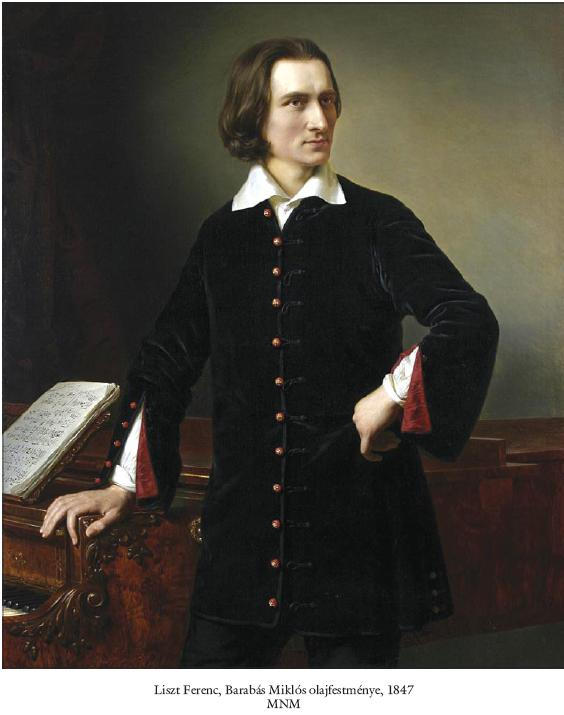
The World’s First Music Idol – Ferenc Liszt
Ferenc Liszt was one of the most celebrated pianists of his era, as well as a boldly innovative composer, conductor, teacher, and music writer. As the most renowned Hungarian musician of the 19th century, his influence transcended borders, securing his place among the greatest figures in musical history. Touring Europe from a delicate age, he performed before royalty and aristocrats, yet always remained devoted to Hungary. In a letter, he expressed this sentiment: "Please allow me that, apart from my regrettable ignorance of the Hungarian language, I remain Hungarian in my heart and soul from birth to the grave; consequently, I earnestly wish to further the cause of Hungarian music culture."
Born in 1811 in a small village in Hungary’s Sopron county, Liszt’s musical journey began with the support of his father, who was an intendant of the Hungarian Prince Esterházy estates. By the age of nine, he was already giving concerts in Sopron and Pozsony (Bratislava). His talents soon led him to Vienna, where he studied under famous composers and at 12, his father took him to Paris to continue his education.
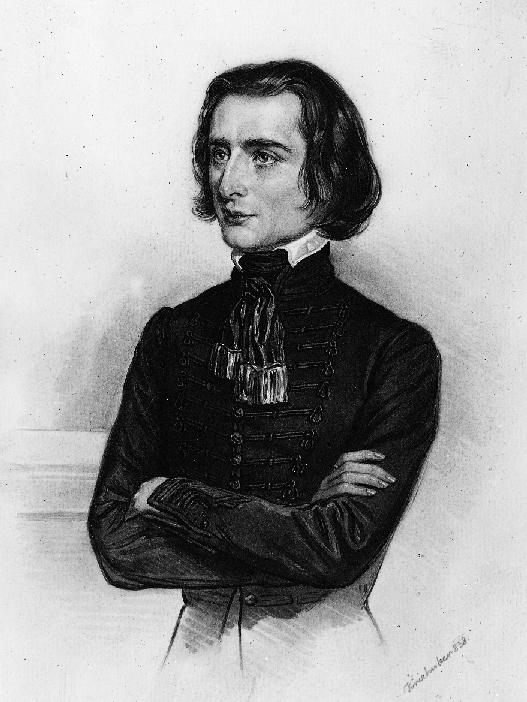
Ferenc Liszt rose to a level of stardom and public adoration unmatched by any earlier virtuoso. This phenomenon, sometimes referred to as "Liszt fever" or "Lisztomania,” described the overwhelming fan frenzy that accompanied his performances. Liszt's admirers were known to swarm around him, competing for personal items like his handkerchiefs and gloves. Some fans wore jewelry featuring his portrait, while others sought locks of his hair or even fragments of broken piano strings, which they turned into treasured mementos.
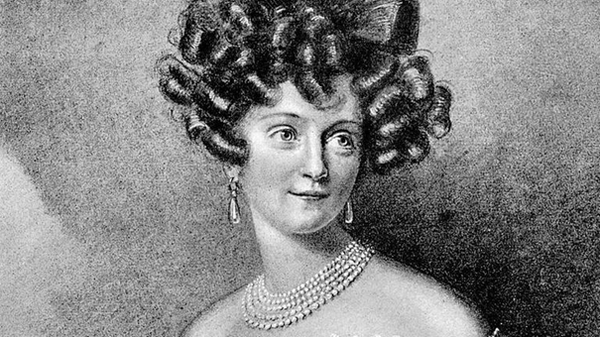
During these years, Liszt met Marie d'Agoult, with whom he had three children: Blandine, Cosima, and Daniel. In Paris, inspired by Paganini’s violin mastery and Berlioz’s Symphonie fantastique, Liszt honed his piano skills. He also found camaraderie and inspiration in fellow composers Chopin and Schumann, whom he considered pivotal figures in piano music.
Known for his generosity, Liszt supported the construction of the Hungarian National Theatre and donated concert earnings to aid victims of the 1838 Pest floods. While touring Russia, he encountered new musical movements and met Princess Carolyne von Sayn-Wittgenstein, his next great love. In the early 1840s, he settled in Weimar, becoming a music teacher and conductor at the court theater and he supported new promising talents such as Wagner, Berlioz, Verdi, and others.
Tragedy marked his later years, with the deaths of his son Daniel in 1859, daughter Blandine in 1862, and his mother in 1866. Despite these personal losses, Liszt continued to divide his time between Weimar, Rome, and Budapest.
In 1875, he became the President of the Academy of Music in Budapest, now known as the Ferenc Liszt Academy of Music. His connection to Hungary deepened, and he spent significant time in the country, including visits to the estate in Szekszárd of his close friend, Baron Antal Augusz.
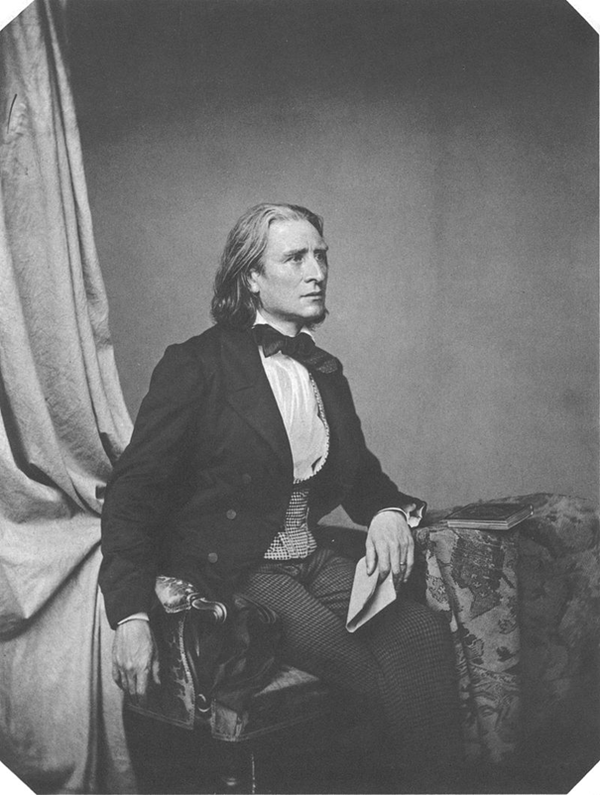
In his final years, Liszt was supported by devoted students and admirers from across Europe. His legacy influenced generations of composers, including Hungarian students like István Thomán and Árpád Szendy, who later taught Ernő Dohnányi and Béla Bartók at the Academy. Through their efforts, Liszt’s impact on music endures to this day all around the world.
Liszt Institute - Hungarian Cultural Center Seoul considers one of its main duties to keep Liszt’s heritage alive. In collaboration with Korean Liszt Society, it will host will host the Winners’ Gala Concert of the 15th Korean Liszt Competition over three Sundays in the coming weeks: February 9, 16, and March 2. Do not miss the chance to experience Liszt’s music brought to life by talented young Korean performers.

글 ㅣ Katalin Ruzsa
주한리스트헝가리문화원 문화사무관
Liszt Institute - Hungarian Cultural Center Seoul