

Koo Jeong A: The Poetry of the Invisible
[아츠앤컬쳐] 주목을 받기 위해 관심을 갈구하는 미술계에서, 한국 작가 구정아(1967년 서울 출생)는 완전히 다른 전략, 즉 '일상의 예술'에 몰두해 왔다. 그녀의 전시장에 들어서는 사람들은 거대한 조각품을 발견하는 대신, 자신의 감각을 예민하게 일깨우도록 초대받는다. 작품은 행간에서 일어나는 일들, 즉 냄새, 자성, 어둠 속 은은한 빛에 집중하게 되는데, 이는 흔히 '침묵의 예술'로 불린다.
구정아 작가는 1990년대부터 '우스(Ousss)'라는 프로젝트를 진행해 왔다. 이는 평범한 사물과 공간에 마법과도 같은 에너지가 깃든 가상의 세계, 또 다른 현실이다. 그녀의 작업은 도교 사상에 깊이 뿌리내리고 있으며, 생명 에너지(기)의 흐름을 따르고 눈에 띄지 않는 것에서 조화를 추구한다. 그녀의 작품에서 핵심적인 요소는 스케이트 파크 형태의 '살아있는 조각'이다. 이 작품들은 종종 형광 페인트로 칠해져 낮에는 빛을 흡수하고 밤에는 유령 같은 녹색으로 빛난다. 수학에서 영감을 받은 그녀는 종종 뫼비우스 띠의 모양을 사용하여 무한을 공간적으로 구체화한다.
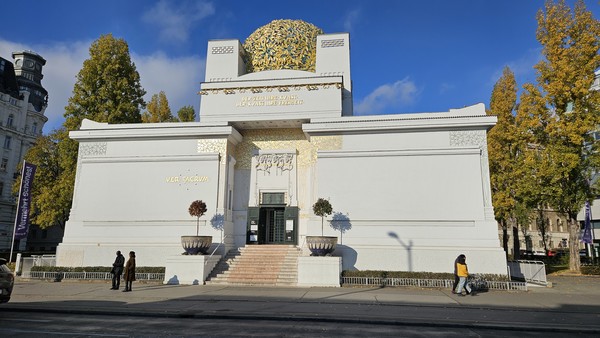
구 작가는 오스트리아 건축에 대한 깊은 이해를 바탕으로 오스트리아와 관계를 맺어왔다. 2002년, 그녀는 빈 분리파를 사색의 공간으로 탈바꿈시켰다. 한국어로 ‘사람들이 자유롭게 모이는 것’을 뜻하는 ‘3355’라는 제목의 이 작품은 방문객들이 예술 작품이 어디서 시작되고 공간이 어디서 끝나는지 궁금해할 정도로 미묘한 분위기를 자아냈다.
1897년에 설계된 빈 분리파 전시관은 오스트리아 예술가 그룹(화가, 건축가, 디자이너)이 보수적인 ‘쿤스틀러하우스’에서 분리되어 현대적이고 국제적이며 실험적인 예술을 추구하기 위해 요제프 마리아 올브리히가 설계한 특별한 전시 건물로, 그녀의 작품에 적합한 장소였다. 이 그룹의 구성원으로는 초대 회장이자 가장 유명한 화가인 구스타프 클림트, 건축가이자 건설업자인 요제프 호프만, 디자이너이자 빈 공방(Wiener Werkstätte)의 공동 설립자인 콜로만 모저, 그리고 모더니즘 건축의 선구자인 오토 바그너가 있다.
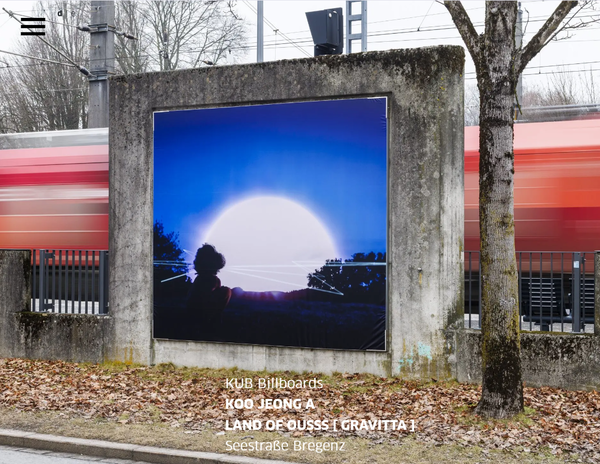
현재, 2026년은 그녀와 오스트리아의 인연에 있어 또 다른 중요한 해이다. 브레겐츠 미술관(KUB)에서 개인전 ‘LAND OF OUSSS [GRAVITTA]’를 개최하고 있기 때문이다. 페터 줌토르의 미니멀리즘 콘크리트 건축과의 흥미로운 대화를 통해, 그녀의 전시는 보이지 않는 힘을 감각적으로 만든다. 1층의 빛나는 바닥 설치는 그녀의 스케이트파크 시리즈를 떠올리게 하는 반면, 상층부는 자성과 돌소나무 향기를 활용한다. 지역적인 천연 재료를 의도적으로 사용함으로써 미술관의 차가운 분위기를 유기적으로 완화한다. 줌토르는 예술품을 위한 고전적인 ‘컨테이너’를 만든 것이 아니라, 재료를 극도로 절제하여 자족적인 모놀리스를 만들었다. 이 건물은 주로 유리, 철골, 노출 콘크리트로 구성되어 있다. 특히 눈길을 끄는 것은 712개의 에칭 유리판으로 이루어진 외관이다. 마치 비늘처럼 겹겹이 쌓인 이 유리판들은 햇빛과 날씨에 따라 건물에 다채로운 분위기를 선사한다. 때로는 단단한 블록처럼 보이고, 때로는 은은하게 빛나는 수정처럼 보이기도 한다.
건축의 핵심은 조명 시스템이다. 전시실 위의 유리 채광 천장은 자연광을 여과하여 공간 전체에 고르게 분산시켜 준다. 이러한 철저한 미학적 태도는 1998년 유럽연합에서 최고 권위의 건축상인 미스 반 데 로에 상을 수상하는 영예를 안겨주었다.
제프 쿤스, 아이 웨이웨이, 제임스 터렐과 같은 세계적 거장들도 그들의 작품을 해당 건물의 특성에 맞춰 ‘현장 제작’ 방식으로 제작하도록 초청된 바 있다.
작품 링크 https://www.kunsthaus-bregenz.at/
Koo Jeong A: The Poetry of the Invisible
In an art world that often cries out loudly for attention, the South Korean artist Koo Jeong A (born 1967 in Seoul) has dedicated herself to a completely different strategy: the art of the casual. Anyone who enters her exhibitions will not find monumental sculptures but is invited to sharpen their own senses. It's about what happens between the lines – smells, magnetism and the soft glow in the darkness, which is often described as the "art of silence".
Since the 1990s, Koo Jeong A has been creating an ongoing project called "Ousss". It is a fictional universe, an alternate reality in which ordinary objects and spaces are charged with an almost magical energy. Her work is deeply rooted in Taoism; it follows the flow of life energy (Qi) and seeks harmony in the inconspicuous. A central element of her work is her "living sculptures" in the form of skate parks. These are often painted with phosphorescent paint, which charges with light during the day and shines in a ghostly green at night. Mathematically inspired, she often uses the shape of the Möbius strip to make infinity spatially tangible.
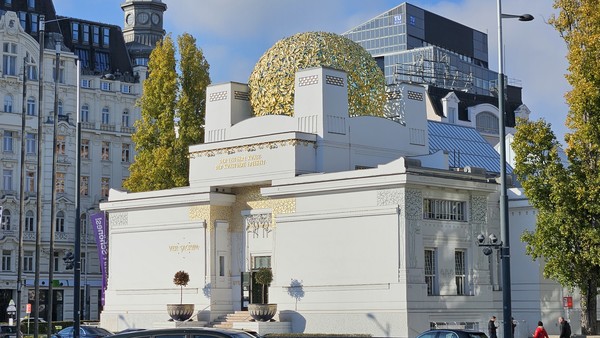
Koo Jeong's relationship with Austria is characterized by a deep understanding of the country's specific architecture. As early as 2002, she transformed the Vienna Secession, into a place of contemplation. Titled "3355" – a Korean term for people coming together loosely – she created an atmosphere so subtle that visitors often wondered where the art begins and where the space ends.
The Vienna Secession was the right place for their artworks, designed in 1897, the Secession is an extraordinary exhibition building, designed by Joseph Maria Olbrich for a group of Austrian artists – painters, architects and designers – who split off from the conservative “Künstlerhaus” to pursue modern, international and experimental art. Members of this group were Gustav Klimt – the first president of the group and its most famous painter, Josef Hoffmann – architect and constructor, Koloman Moser – designer and co-founder of the Wiener Werkstätte, and Otto Wagner – pioneer modernist architect.
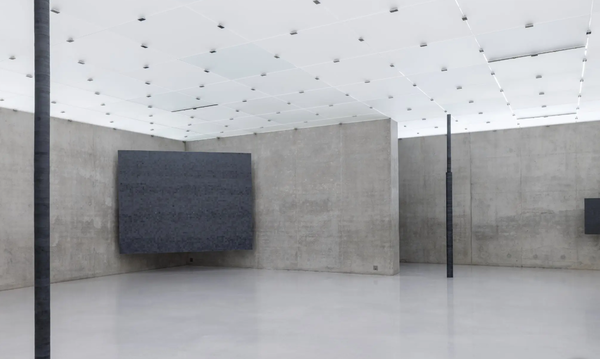
Currently, the year 2026 marks another highlight of her connection to Austria: with the solo exhibition "LAND OF OUSSS [ GRAVITTA ]" she is exhibiting at the Kunsthaus Bregenz (KUB). In a fascinating dialogue with the minimalist concrete architecture of Peter Zumthor, it makes invisible forces palpable. While a glowing floor fragment on the ground floor is reminiscent of her skatepark series, the upper floors work with magnetism and the scent of stone pine. This deliberate recourse to a regional natural material organically breaks up the coolness of the museum.Zumthor had not created a classic "container" for art, but a self-sufficient monolith characterized by an extreme reduction of materials. The building consists mainly of glass, steel and exposed concrete. Particularly striking is the façade made of 712 etched glass plates, which lie on top of each other like scales and give the building a different aura depending on daylight and weather conditions – sometimes it looks like a solid block, sometimes like a diffuse, glowing crystal.
The heart of the architecture is the lighting system: above the exhibition rooms there are glass illuminated ceilings that filter the daylight and distribute it evenly throughout the room. This uncompromising aesthetic was honoured in 1998 with the Mies van der Rohe Prize, the most important architecture prize of the European Union.
International greats such as Jeff Koons, Ai Weiwei and James Turrell have been invited to develop their works "in situ" – i.e. specifically for the specific architecture of the building.
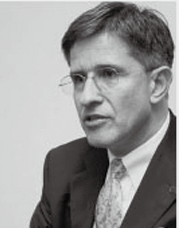
글 | 볼프강 슬라빈스키 Wolfgang Slawinski
서울명예시민
한·오스트리아협회 회장