

Jester and Talchum: “The Fool Licence”
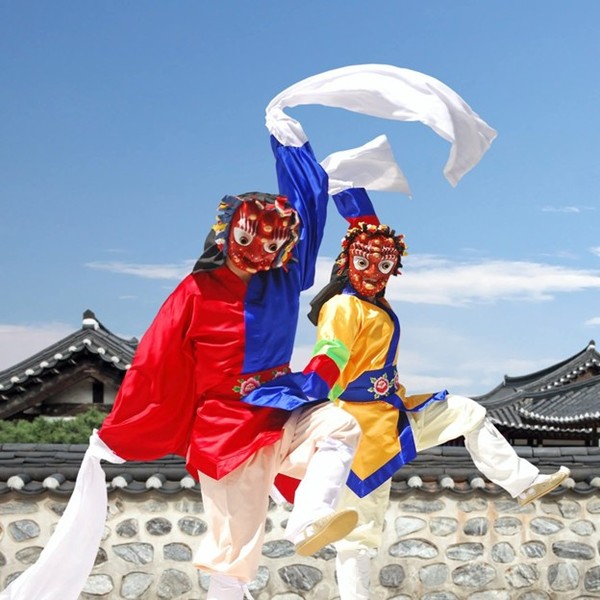
유머와 과장으로 사회의 병폐를 드러내다
[아츠앤컬쳐] 궁중 어릿광대와 한국의 탈춤은 유머와 과장을 통해 사회악을 드러내는 보편적인 예술이다. 두 전통 모두 공연자에게 두려움 없이 권력을 조롱할 수 있는 특별한 ‘풍자 특권’이 있다. 중세 유럽의 궁정에서 어릿광대가 활기를 불어넣었듯이, 탈춤은 조선시대에 한국에서 번성했다. 이러한 유사성은 역사적 역할에서부터 공연 요소, 그리고 억압된 비판을 표출하는 사회적 기능에 이르기까지 다양하다. 이는 전 세계적으로 사회에서 웃음을 진실을 드러내는 도구로 활용해 왔음을 보여준다.
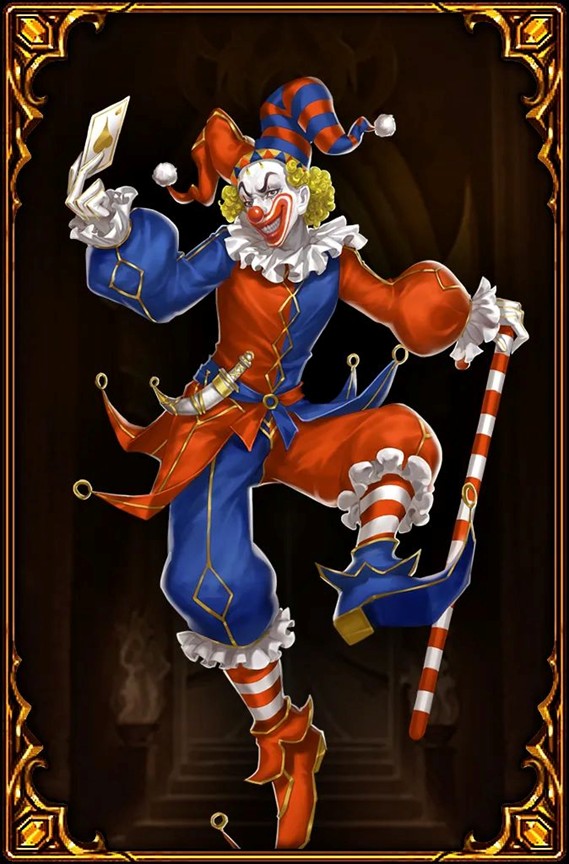
14세기~18세기의 유럽 궁중 어릿광대는 단순한 오락 제공자가 아니었다. 틸 오일렌슈피겔이나 영국의 궁정 어릿광대 아치 암스트롱과 같은 인물들은 통치자에게 사회의 거울 역할을 했다. 그들은 방울이 달린 화려하고 비대칭적인 옷과 방울 모자, 그리고 종종 어릿광대 머리가 달린 막대기를 들고 있었다. 그들의 농담은 계층 구조를 허물고, 궁정 신하들이 침묵할 때에도 왕에게 거침없이 비판했다. 마찬가지로, 탈춤은 한국의 시장과 축제에서 행해지던 민속 공연에서 유래했다. 조선시대의 엄격한 유교적 질서 아래에서 가면을 쓰고 양반, 부패한 관리, 무당, 심지어 공자까지도 풍자했다. ‘악장’과 같은 기록물은 하회나 봉산과 같은 마을에서 각기 고유한 탈춤 양식을 발전시켰고, 오늘날 유네스코 문화유산에 지정되었다.
두 전통은 모두 평민의 발언권이 없던 봉건 사회 구조 속에서 형성되었다. 어릿광대는 체제 속의 ‘조커’와 같은 존재였다. 겉으로는 우스꽝스러워 보이지만 날카로운 혀를 지닌 인물이었다. 탈춤을 추던 사람들 역시 대개 농민이었으며, 그들은 가면을 쓰고 과장된 인물로 변신하여 웃음과 동시에 생각하게 만들었다.
공연 양식과 미학
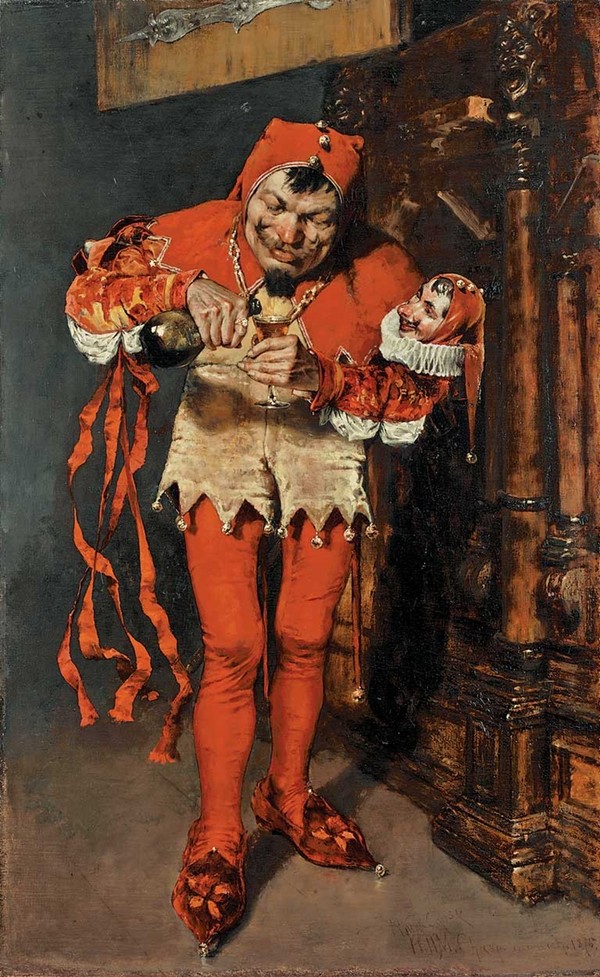
궁중 어릿광대와 탈춤은 신체 희극이라는 점에서 서로 닮아 있다. 어릿광대는 곡예, 과장된 표정, 슬랩스틱 코미디를 활용하여, 일부러 비틀거리며 넘어지고 풍선 방망이로 때리거나 궁정 신하들을 흉내 내기도 했다. 탈춤은 역동적인 춤과 북과 장구의 리듬, 즉흥적인 장면으로 빛난다. 붉은색은 양반, 검은색은 하인, 녹색은 ‘미친 승려’를 나타내는 등 색깔이 다른 탈은 얼굴을 기괴하게 왜곡하여 표현하는데, 혹이나 특이한 얼굴을 한 어릿광대와도 비슷하다. 둘 다 모두 고상함과 저속함, 진지함과 웃음이라는 대비를 강조한다. 예를 들어 하회탈춤 공연에서는 희극적 장면이 점점 격해져 하인이 주인을 때리는 등 위계질서가 뒤집히기도 한다.
이러한 미학은 과장을 통해 사회의 악습을 드러내는 데 활용되어, 유럽에서는 셰익스피어의 작품들(예: 「햄릿」의 요릭)에도 영향을 주었고, 한국의 탈춤은 현대 연극에 영향을 끼쳤다. 가장 큰 공통점은 비판적 기능에 있다. 예를 들어 황제 막시밀리안 1세의 궁정 어릿광대 슈타우피츠와 같은 인물들은 ‘건설적인 도발’을 통해 통치자에게 성찰을 유도했다. 탈춤 역시 술에 취한 선비나 인색한 양반의 위선을 풍자했다. 이처럼 두 전통은 경직된 사회 속 억눌린 긴장을 해소하는 역할을 하고 웃음으로 카타르시스를 제공했다. 심리적으로 관객은 등장인물 속에서 자신을 발견하며 공감대를 형성했다.
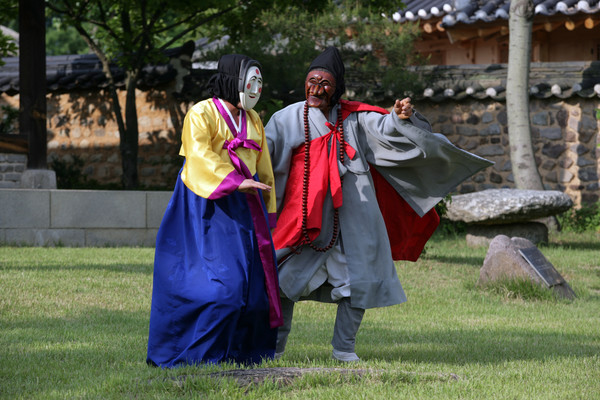
오늘날에도 이러한 전통은 다양한 형태로 이어지는데, 유럽의 카니발 어릿광대나 오스트리아의 ‘어릿광대 회의’, 그리고 강릉 단오제의 탈춤 축제 등이 그 예이다. 이러한 축제는 서로 다른 문화를 연결하는데, 특히 오스트리아에서 한국 문화에 관심을 가진 사람들에게도 큰 의미가 된다. 소셜미디어 시대에도 궁중 어릿광대와 탈춤은 풍자가 여전히 강력한 힘을 지니고 있음을 일깨워준다. 것이다. 봉산탈춤이나 바이로이트 어릿광대극과 같은 행사들은 이러한 전통이 여전히 살아 있음을 보여준다. 결국 이 전통들은 우리에게 말한다. 웃음은 동양과 서양을 잇는 공통의 언어라는 것을.
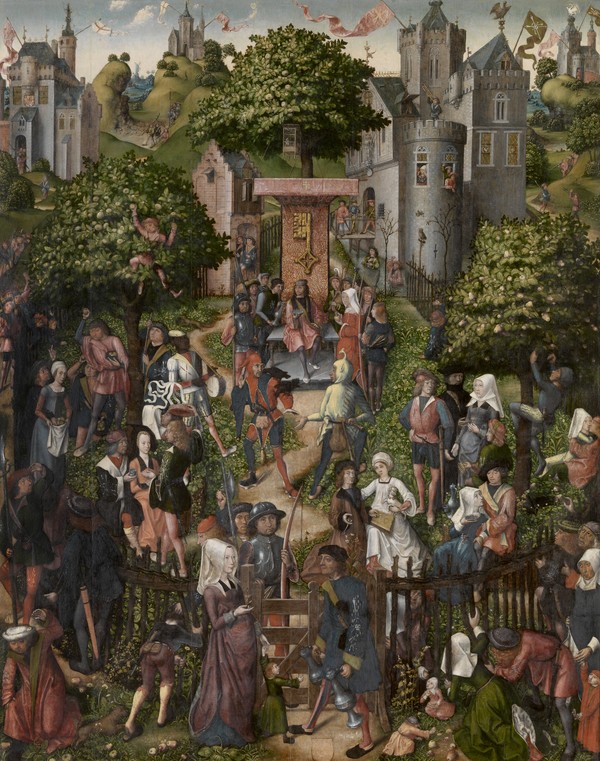
Jester and Talchum: “The Fool Licence”
A way to expos social ills through humor and exaggeration
The court jester and the Korean talchum embody a universal art form: the satirical clown, who exposes social ills through humor and exaggeration. Both traditions grant their performers a unique "fool's license" that allows them to mock authorities without fear of reprisals. While the court jester enlivened the European royal courts of the Middle Ages, Talchum flourished in Korea during the Joseon Dynasty (1392–1910). These parallels range from historical roles to performative elements to their social function as an outlet for suppressed critique. They show how human societies around the world use laughter as a tool of truth.
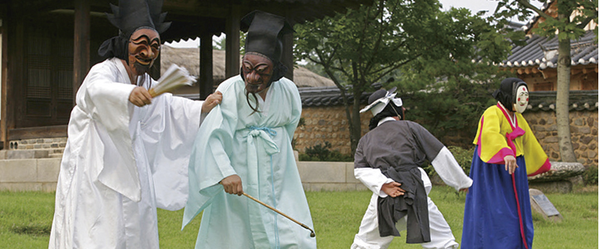
The court jester, known in Europe from the 14th to the 18th century, was more than an entertainer. Figures such as Till Eulenspiegel or England's court jester Archie Armstrong served rulers as a mirror of society. They wore colourful, asymmetrical robes with bells, a bell cap and often a quirk – a stick with a jester's head. Their jokes broke through hierarchies: they were allowed to rebuke the king where courtiers were silent. Similarly, Talchum ("mask dance") originated in Korea as a folk performance at markets and festivals. Under the strict Confucian order of the Joseon period, masked people criticized the nobility (yangban), corrupt officials, shamans, or even Confucius himself. Historical records such as the "Akchang" repertoire show how Talchum villages such as Hahoe or Bongsan developed their own styles, which are still considered UNESCO cultural heritage today.
Both forms are rooted in feudal structures where the common man had no voice. The fool acted as a joker in the system – invisible in his silliness, but sharp-tongued. Talchum dancers, often peasants, transformed themselves through masks into exaggerated caricatures that made the viewer laugh and think.
Performative style and aesthetics
Stylistically, court jester and Talchum overlap in their physical comedy. The fool used acrobatics, grimaces and slapstick: he stumbled, struck with the bladder (an inflatable stick) or imitated courtiers. Talchum shines with dynamic dances, drum rhythms (Puk, Janggu) and improvised scenes. The colored masks – red for Yangban, black for servants, green for the "mad monk" – distort faces grotesquely, similar to the fool's visage with flap and hump. Both emphasize contrasts: high vs. low, serious vs. fun. In performances such as the Hahoe-Talchum, the comedy escalates into blows and falls that reverse hierarchies – the servant beats the master.
This aesthetic served to exaggerate: exaggerated movements made vices visible. In Europe, it inspired Shakespeare (e.g. Yorick in "Hamlet"); in Korea, talchum flowed into modern theaters.
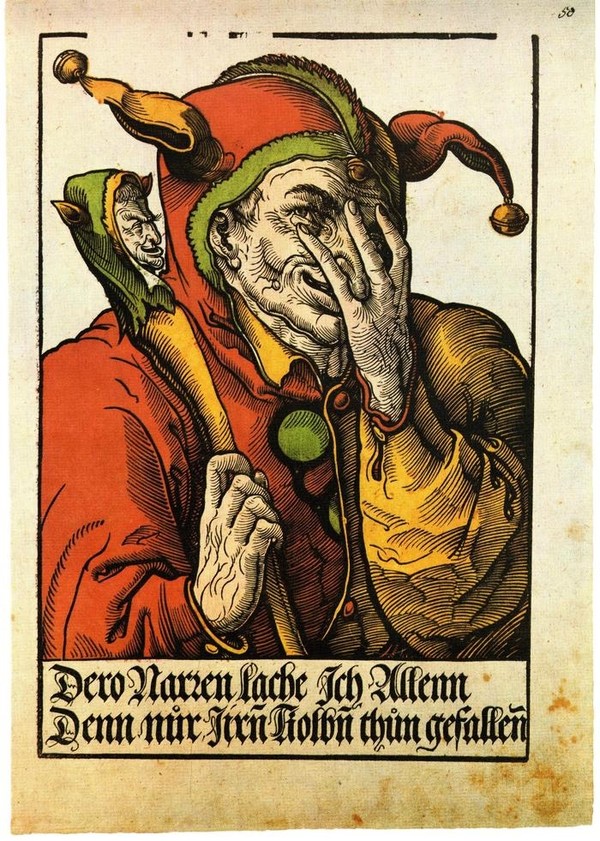
The biggest parallel lies in the critical function. Court jesters such as Staupitz with Emperor Maximilian I provoked reflection through "constructive irritation". Talchum satirized hypocrisy: scenes show drunken scholars or miserly aristocrats. Both unleashed tensions in rigid societies – laughter as catharsis. Psychologically, they enabled identification: spectators recognized themselves in the characters.
Today they live on: European carnival fools or Austria's Synod of Fools resemble. Talchum festivals such as Gangneung Danoje. They connect cultures – especially relevant for Korea fans in Austria.
In a world of social media, court jester and Talchum survive as a reminder: satire remains powerful. Festivals such as the Bongsan-Talchum or Bayreuth's School of Fools show their vitality. They invite you to celebrate traditions and to learn: Humor unites East and West.

글 | 볼프강 슬라빈스키 Wolfgang Slawinski
서울명예시민
한·오스트리아협회 회장