

Cagliari, between history and sea
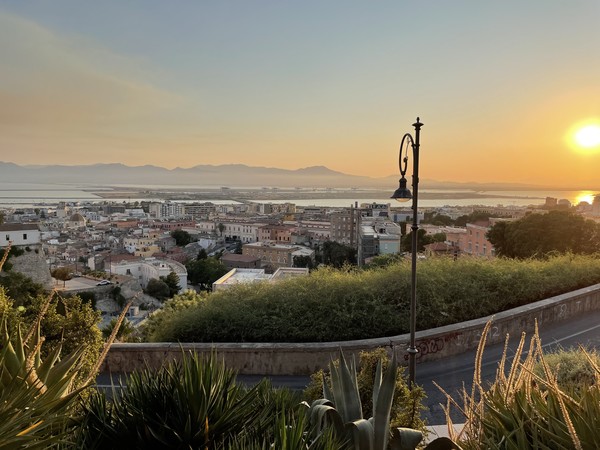
[아츠앤컬쳐] 사르데냐 섬 남쪽에 자리한 수도 칼리아리는 역사와 예술이 해변과 공원, 그리고 풍부한 미식 문화가 공존하는, 진정한 지중해 정신을 구현한 도시다. 수세기 동안 전략적 요충지로 기능해 온 이 도시는 로마인과 피사인을 비롯한 여러 문명 세력을 끌어들였으며, 그 흔적이 오늘날까지 도시 경관 곳곳에 남아 있다.
특히 쾌적한 기후로 잘 알려진 칼리아리는 「코리에레 델라 세라」가 발표한 2024년 기후 거주적합성 지수에서 이탈리아 도시 중 1위를 차지했다. 겨울은 온화하고 여름은 시원한 바닷바람이 불며, 풍부한 일조량, 극한 기후 현상이 거의 없는 환경을 자랑한다.
도시는 일곱 개의 언덕 위에 펼쳐져 있으며, 이는 칼리아리의 스카이라인뿐 아니라 그 역사까지도 규정해 왔다. 카스텔로, 투빅세두, 몬테 클라로, 셀라 델 디아볼로, 콜레 디 보나리아, 콜레 디 산 미켈레, 몬테 우르피누에서는 도시와 천사의 만을 내려다보는 탁 트인 전망과 함께 고고학 유적과 드넓은 공원을 만날 수 있다. 이 언덕들 중 카스텔로가 도시의 상징적 중심지로 손꼽힌다.
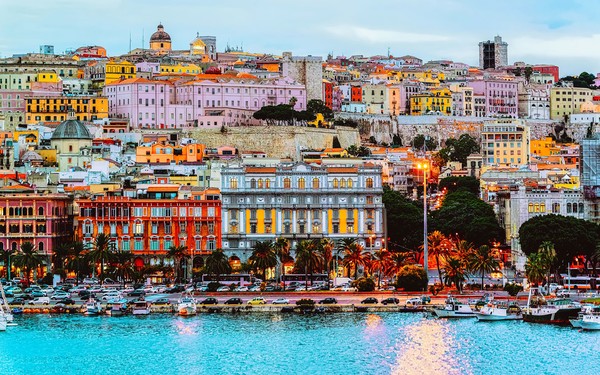
카스텔로는 칼리아리를 대표하는 가장 상징적이고 역사적인 중심지다. 13세기 피사인들이 요새화된 성채로 건설했으며, 오랫동안 권력의 구심점 역할을 해왔다. 중세 성문은 오늘날에도 아래쪽 도시와의 경계를 이루며, 시간을 초월한 독특한 분위기를 간직하고 있다.
카스텔로에는 도시를 대표하는 주요 명소들이 모여 있다. 칼리아리의 주성당인 산타 마리아 대성당은 수세기 동안의 변화 속에서도 로마네스크-피사 양식의 흔적을 간직하고 있다. 인근에는 고대 성벽 위로 산 레미 바스티오네가 우뚝 솟아있으며, 고전주의 양식의 건축물 계단을 따라 올라가면, 정상에 탁 트인 전망의 움베르토 1세 테라스로 이어진다. 또한 산 판크라치오 탑과 코끼리 탑은 과거 도시 방어의 핵심이었던 위용 있는 건축물이다. 특히 코끼리 탑 정면의 유명한 대리석 코끼리 조각은 피사의 해양 패권을 상징한다.
역사 지구를 벗어나면 칼리아리에서 가장 가까이에 사랑받는 해변인 포에토 해변이 펼쳐진다. 천사의 만을 따라 수 킬로미터에 걸쳐 이어지는 이 해변은 탁 트인 수평선과 하얀 모래밭, 맑은 바다를 배경으로 도시의 활기가 흘러넘친다. 하루 종일 수영과 해변 자전거, 바닷가 카페를 즐기는 사람들로 붐빈다. 해안선은 셀라 델 디아볼로에서 인근 콰르투 해안까지 이어지며 칼리아리의 상징적인 해안 절경을 이룬다.
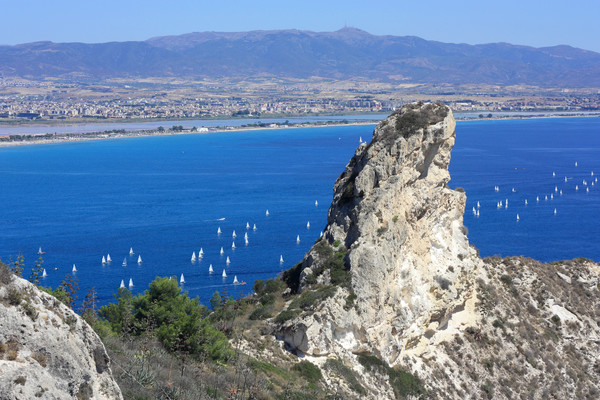
셀라 델 디아볼로 곶은 도심에서 가까운 인기 하이킹 명소로, 해안선이 한눈에 들어오는 아름다운 산책로를 갖추고 있다. 이곳의 이름은 전설에서 비롯되었다. 만의 아름다움에 매료된 악마들이 이를 차지하려다 천사들에게 쫓겨났고, 전투 중 루시퍼가 떨어뜨린 말안장이 바다에 떨어져 돌로 변하면서 곶의 형태가 만들어졌다는 이야기다. 이로부터 ‘악마의 안장’을 뜻하는 셀라 델 디아볼로와 ‘천사의 만’을 뜻하는 골포 델리 안젤리라는 지명이 유래했다.
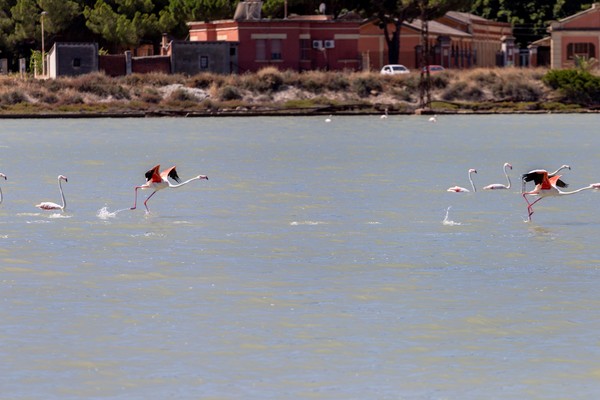
칼리아리는 동물원이 아닌 자연 서식지에서 분홍색 홍학을 만나는 예상치 못한 경험도 선사한다. 이들의 서식지는 몰렌타르지우스 염전 자연공원이다. 이곳의 염수 분지에서 홍학들은 아르테미아 살리나라는 작은 갑각류를 먹는데, 이것이 홍학의 주된 먹이이자 깃털을 특유의 분홍빛으로 물들이는 원천이다. 새벽과 해질 무렵이면, 수백 마리의 홍학이 어우러져 좀처럼 보기 드문 자연의 장관을 만들어낸다.
번역/감수 이소영 (한국외국어대학교 교수)
Cagliari, between history and sea
Set in the south of the island, the capital of Sardinia embodies the true Mediterranean spirit, where history and art coexist with beaches, parks, and a celebrated food culture. Over the centuries, Cagliari’s strategic location attracted numerous civilizations, most notably the Romans and the Pisans, whose presence has left lasting marks on its urban landscape.
Renowned for its exceptionally favorable climate, Cagliari ranked first among Italian cities in Corriere della Sera’s 2024 Climate Livability Index, with mild winters, breezy summers, abundant sunshine, and minimal extreme weather.
The city rises on seven hills, a feature that has defined both its skyline and its history. Castello, Tuvixeddu, Monte Claro, Sella del Diavolo, Colle di Bonaria, Colle di San Michele, and Monte Urpinu offer panoramic views over the city and Golfo degli Angeli, alongside archaeological remains and expansive public parks. Among these elevations, one stands out as the symbolic heart of the city.
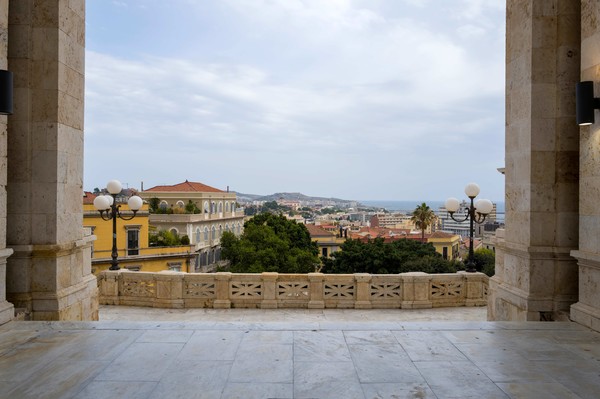
Castello is Cagliari’s most emblematic district and historic core. Founded by the Pisans in the 13th century as a fortified citadel, it long served as the seat of power. Medieval gates still mark its entrance, separating it from the lower city and preserving an intimate, timeless atmosphere.
Within Castello lie some of Cagliari’s most iconic landmarks. The Cathedral of Santa Maria, the city’s main place of worship, retains traces of its Romanesque-Pisan origins despite centuries of transformation. Nearby, the Bastion of Saint Remy rises from the ancient walls, its monumental classical architecture opening onto the panoramic Umberto I Terrace. The district’s defensive past is further embodied by the Towers of San Pancrazio and the Elephant, imposing structures once central to the city’s protection. The Elephant Tower, in particular, is distinguished by the marble elephant on its façade, thought to reference Pisa’s maritime power.
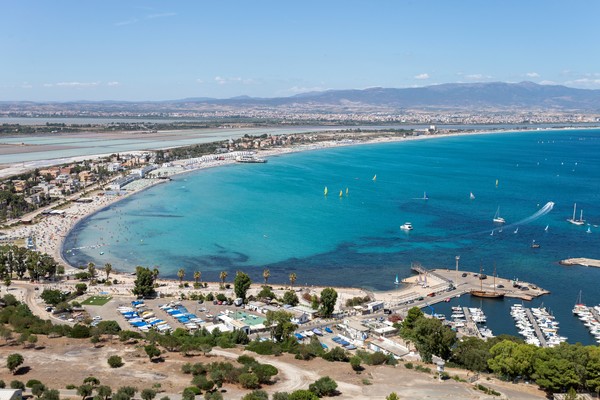
Just beyond the historic center, the city opens directly onto the sea at Poetto Beach, Cagliari’s closest and most beloved shoreline. Stretching for several kilometers along Golfo degli Angeli, it combines open horizons, pale sand, and clear waters with an unmistakably urban energy. Locals and visitors come here to swim, cycle along the seafront, and gather at seaside cafés from morning until sunset. The shoreline extends from Sella del Diavolo to the coast of nearby Quartu, forming a continuous and iconic seafront.
Sella del Diavolo promontory is a popular hiking destination just a short distance from the city center, offering scenic trails and broad views over the coastline. Its name is rooted in local legend: captivated by the beauty of the bay, the devils attempted to claim it for themselves, only to be driven away by the angels. According to tradition, Lucifer lost his saddle during the battle, which fell into the gulf and turned to stone, giving shape to the promontory and inspiring the names Sella del Diavolo and Golfo degli Angeli.
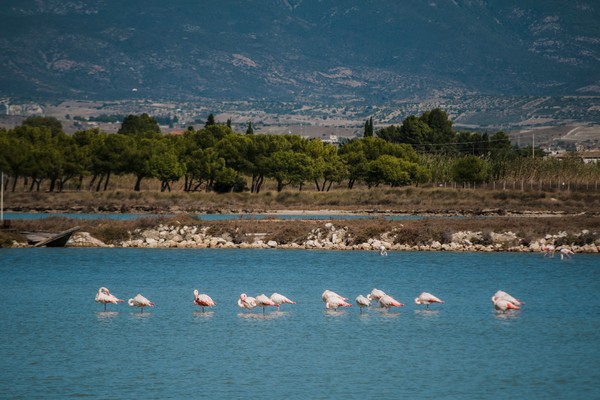
Cagliari also offers an unexpected encounter with pink flamingos, not in a zoo, but in their natural habitat. The natural park Molentargius Saline is the heart of their presence in the city: here, in the saltwater basins, flamingos feed on artemia salina, a small crustacean that forms the basis of their diet and gives their plumage its distinctive pink color. At dawn and dusk, hundreds of birds create a natural spectacle of rare beauty.

글 ㅣ첼리아 페레고 Celia Perego
Student at University of Bergamo
Intern at the Italian Cultural Institute in Seoul