

Frascati Wine
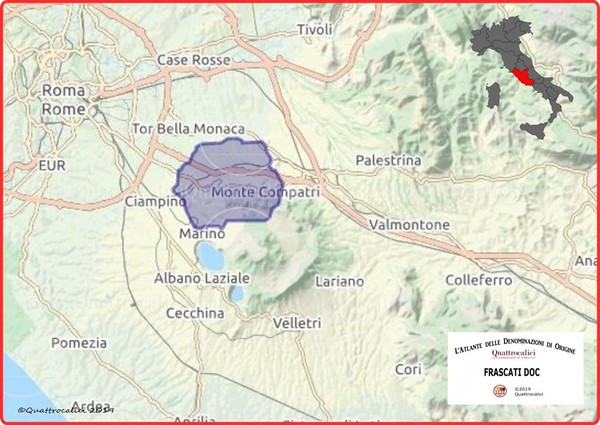
[아츠앤컬쳐] 로마에서 남동쪽으로 약 30km 떨어진 곳에 라티움 화산의 칼데라 잔재로 형성된 작은 콜리 알바니 산맥이 있고 그 주변으로 카스텔리 로마니 마을들이 있다. 이탈리아역사가 주세페 토마세티에 의하면 이 마을들의 이름이 14세기까지 거슬러 올라가는데, 정확히는 로마에서 프랑스 아비뇽으로 교황이 옮겨간 때인, 1309년~1377년의 약 70년간의 시기를 말한다.
당시 대다수의 로마사람들은 교황의 부재로 인한 경제적, 정치적 어려움을 피하기 위해 알바노, 아리차, 카스텔 간돌포의 사벨리, 몬테 콤파트리와 로카 디 파팡의 안니발디, 마리노의 오르시니, 네미와 젠자노의 콜론나와 같이 시골 마을을 다스리던 고귀한 로마 봉건 가문의 성으로 피신했다.
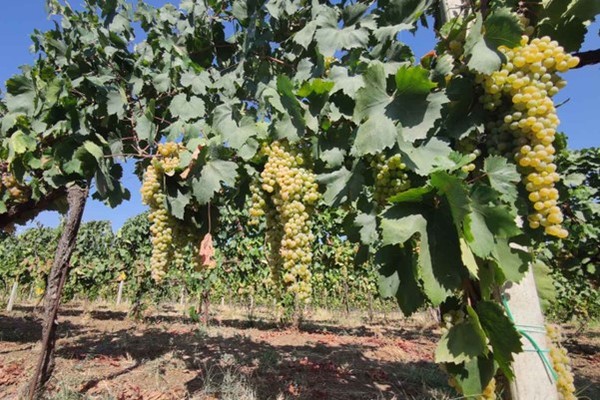
카스텔리 로마니의 포도 재배는 로마시대부터 널리 퍼졌다. 오늘날의 프라스카티 마을 근처의 로마 도시 투스쿨룸에 있는 기원전 5세기 프레스코벽화에는 잘 익은 포도가 가득 열린 무성한 포도나무 가지 아래에 두 마리의 염소가 서로 마주보고 있는 모습이 묘사되어 있다. 프라스카티 와인의 가장 오래되고 저명한 감정가 중에 로마의 작가이자 정치가인 마르쿠스 포르키우스 카토(대카토)는 그의 에세이 De Agri Cultura(농업에 관하여)에서 포도 재배를 다루고 있다. 그는 일꾼들과 함께 일하고 식사와 와인을 나누는 것을 좋아했다고 한다.
위대한 로마 학자 마르쿠스 테렌티우스 바로는 주피터와 비너스를 기리기 위해 열리는 포도주 수확 축제인 비날리아 동안 프라스카티 와인을 마셨다고 상기시키며, 작가 마크로비우스는 법관 퀸투스 호르텐시우스 호르탈루스가 플라타너스를 잘 자라게 하기 위해 이 와인으로 물을 주었다고 주장한다.
시간이 지나도 이 땅의 포도 재배의 역사는 계속 이어졌다. 교황 세르지오 1세(687~701)의 문서에는 “로마 수도관이 서로 교차하는 아피아 가도와 라티나 가도 사이의 프라스카티 주변의 포도밭”에 대한 언급이 있다. 1515년 귀족 마르칸토니오 콜론나는 교황 율리우스 2세 델라 로베레를 대신하여 포도밭 경작과 프라스카티 와인 생산에 관한 일련의 규칙을 도입했으며, 이후 교황 바오로 3세 파르네세와 유명한 미식가인 추기경 스키피오네 보르게세와 같은 다른 중요한 인물들이 이 와인의 훌륭함을 칭찬했다.
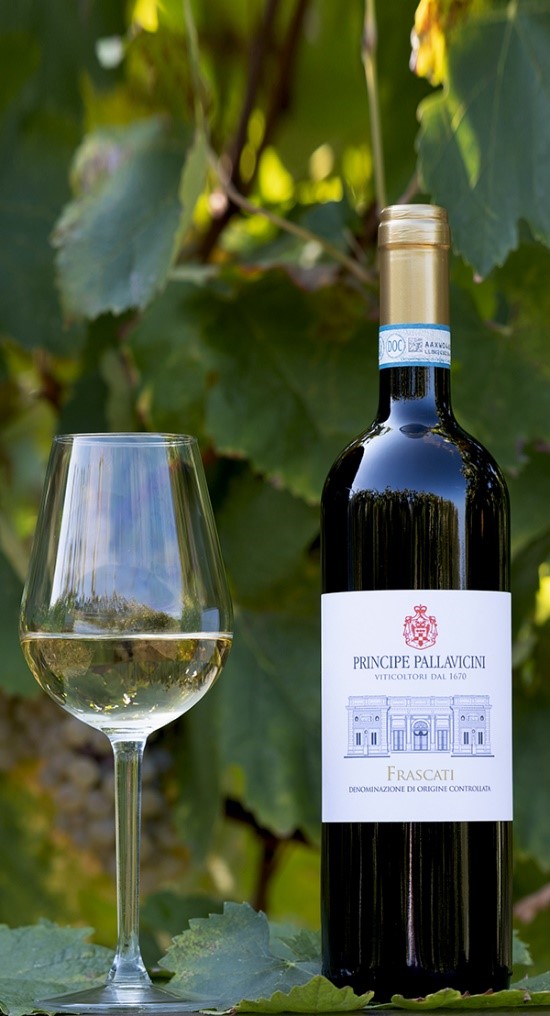
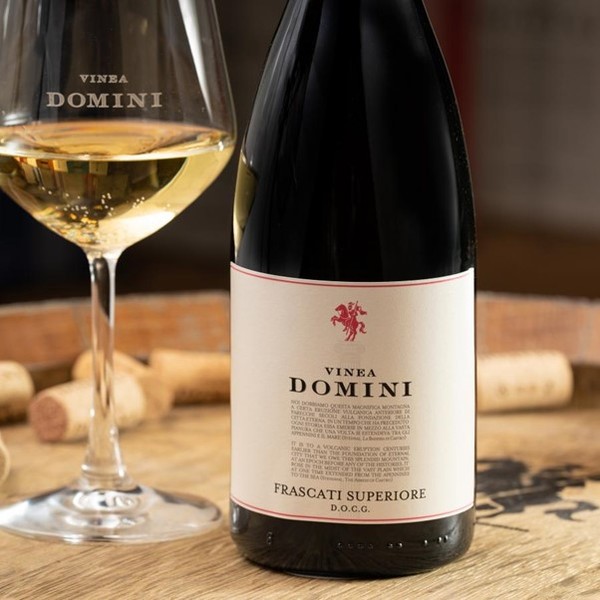
프라스카티는 말바지아 비앙카 디 칸디아 또는 말바지아 델 라치오 70%에 봄비노 비앙코, 그레코 및 트레비아노 포도 30%로 만든 드라이 화이트와인이다. 황금빛 색조의 노란 밀짚색, 시트러스, 잘 익은 과일, 자스민 꽃의 노트를 연상시키는 향. 풀바디 와인으로 조화롭고 신선하며 고소한 맛이 오래 지속된다.
Frascati Wine
About thirty kilometers southeast of Rome there is a group of towns located around the Colli Albani, a small mountain range formed by the caldera remains of the quiescent Latium Volcano. These towns are known as Castelli Romani, a name that, according to the Italian historian Giuseppe Tomassetti, dates to the fourteenth century and precisely to the period of the Avignon Papacy, when for about seventy years (1309~1377) the Popes moved their residence from Rome to the French city of Avignon.
Many inhabitants of Rome, to escape the economic and politic difficulties deriving from the Pope’s absence, took refuge in the castles (“castelli” in Italian) of the noble Roman feudal families who ruled those country towns: the Savelli in Albano, Ariccia and Castel Gandolfo; the Annibaldi in Monte Compatri and Rocca di Papa; the Orsini in Marino and the Colonna in Nemi and Genzano.
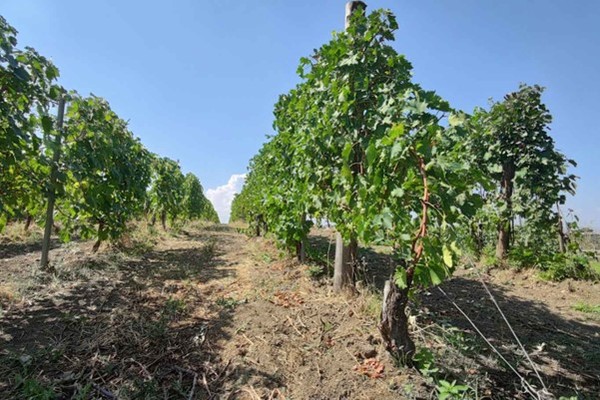
Viticulture in the Castelli Romani has spread since Roman times: a wall fresco from fifth century BC in the Roman city of Tusculum, nearby today’s town of Frascati, depicts two goats facing each other under a luxuriant vine branch full of ripe grapes. Among the oldest and most illustrious connoisseurs of Frascati wine, stands out the Roman writer and politician Marcus Porcius Cato, who deals with viticulture in his essay De Agri Cultura (On Agriculture). It is said that he loved to work his lands together with his employees and then share meals and wine with them.
The great Roman scholar Marcus Terentius Varro reminds us that the wine of Frascati was drunk during the Vinalia, a festival of wine harvest held in honor of Jupiter and Venus, while the writer Macrobius claims that the lawyer Quintus Hortensius Hortalus used to water his plane trees with this wine to make them grow at their best.
Over time, viticulture in these lands has not lost contact with the past: in a document of Pope Sergius I (687~701) there is mention of “the vineyards around Frascati, between the Via Appia and the Via Latina, where the Roman aqueducts cross each other”. In 1515 the nobleman Marcantonio Colonna introduced, on behalf of Pope Julius II della Rovere, a set of rules on the cultivation of vineyards and on the production of Frascati wine and, subsequently, other important figures such as Pope Paul III Farnese and cardinal Scipione Borghese, a famous gourmet, praised this wine for its goodness.
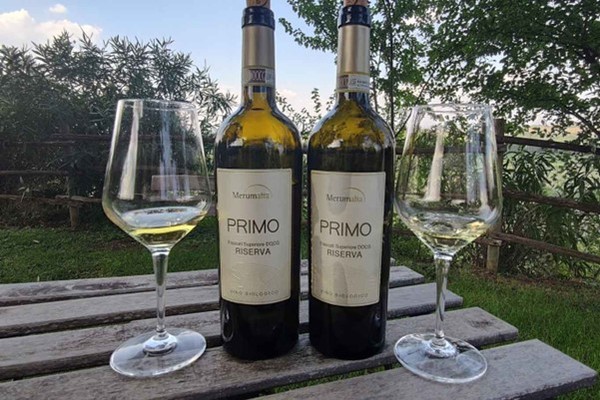
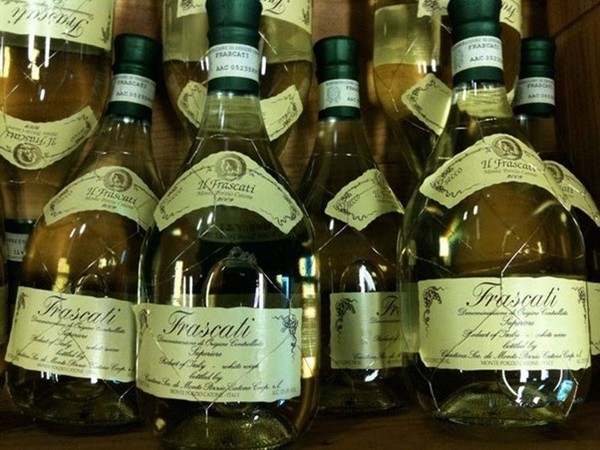
Frascati is a dry white wine made with 70% Malvasia Bianca di Candia or Malvasia del Lazio and 30% of Bombino Bianco, Greco and Trebbiano grapes. Straw yellow in color with golden hues, the scent recalls notes of citrus, ripe fruit, jasmine flowers. A full-bodied wine, its taste is balanced, fresh, savory and persistent.
글 | 에밀리아노 펜니지 Emiliano Pennisi
Lecture of the Italian Cultural Institute in Seoul, Sogang University lecturer of Italian language
Wine scholar and expert
He attended sommellier courses in Italy