

Don Quixote’s wine
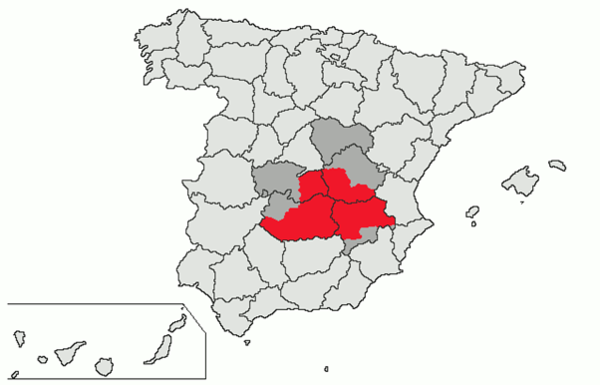
[아츠앤컬쳐] 스페인 자치구에서 세 번째로 큰 카스티야-라만차는 이베리아 반도 중앙에 있다. 광활한 메세타 고원의 남쪽 부분을 차지하며 수도 마드리드의 남동쪽으로 반원을 형성하고 있다. 라만차라는 이름은 출생지 또는 원천을 의미하는 아랍어 “알 만샤”에서 유래된 것으로 여겨진다.
카스티야 라만차의 역사는 시대의 변천에 따라 이베리아인, 로마인, 서고트인, 무슬림, 유대인, 기독교인들은 이 땅과 사람들의 특성에 흔적을 남겼다.
이곳의 포도 재배는 로마인들에 의해 도입되었다고 하지만, 최초의 문서는 12세기 이베리아 반도의 이슬람 통치 기간(약 711~1491년경)으로 거슬러 올라간다. 오늘날의 라만차는 톨레도의 칼리프 왕조의 특별한 양보로 인해 중요한 와인 생산지가 되었으며, 기독교인의 레콩키스타 이후 19세기까지 라만차의 와인 생산은 계속해서 증가했다.
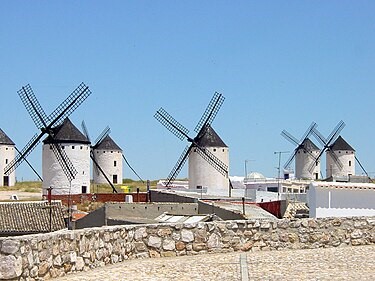
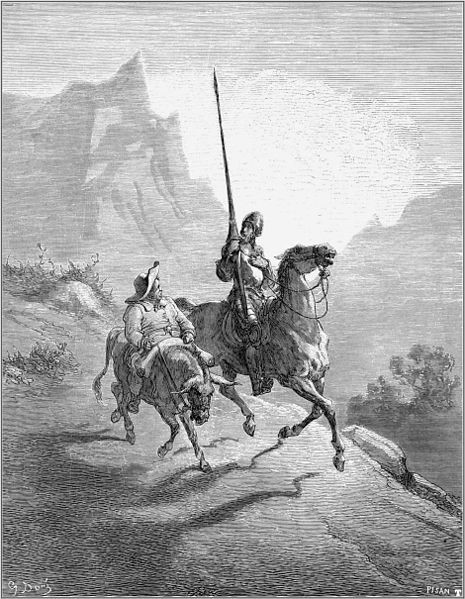
17세기 초, 스페인의 위대한 작가 미겔 데 세르반테스는 그의 유명한 소설 ‘돈키호테’에서 바로 이 지역을 배경으로 삼아 전형적인 풍차 풍경 속의 라만차를 세계적으로 유명하게 만들었다. 그 모험을 하는 동안, 용감한 기사 돈키호테와 그의 종자 산초 판사는 만체고 치즈와 같은 전통 요리를 언급하며 둘 다 좋은 품질의 현지 와인을 여러 차례 칭찬하고 있다.
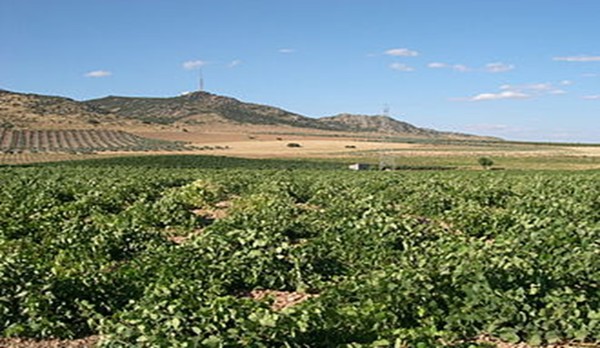
라만차는 유럽 전체에서 가장 큰 와인 지역으로 무려 19만 헥타르에 포도나무가 심어져 있으며 동시에 세계에서 가장 오래된 포도나무 재배지이기도 하다. 기후는 대륙성 기후에 속하며, 낮 기온이 일반적으로 40도를 넘나들지만 밤에는 급격히 떨어지는 길고 무더운 여름과 영하 10도에서 15도에 이르는 추운 겨울을 지낸다.
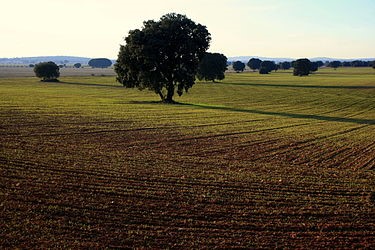
포도밭은 메세타 고원의 500~700m 고도에 있는 카스티야-라만차, 알바세테, 쿠엔카, 시우다드 레알, 톨레도 지역을 구성하는 5개 주 중 4개 지역에 걸쳐 있다. 이 고도는 포도나무가 노출되는 극심한 계절적 기후 변화의 영향을 부분적으로 완화하면서, 풍부한 여름 햇살로 인해 라만차의 포도는 충분히 익도록 만들어준다.
아이렌, 마카베오, 파렐라다, 페드로 시메네스, 베르데호, 샤르도네, 리슬링은 라만차에서 자라는 백포도에 속하며 적포도에는 템프라니요, 보발, 모나스트렐, 그라시아노, 멘시아노, 까베르네 소비뇽, 메를로 등이 있다. 이 포도는 화이트 와인, 로제 와인, 드라이하고 달콤한 스파클링 와인과 오크 통에서 2년간 숙성된 레드와인 크리안자, 최대 3년 및 5년간 숙성된 레드와인 레세르바와 그란 레세르바 등 다양한 종류의 와인을 생산하고 있다.
Don Quixote’s wine
Castilla-La Mancha, the third largest of Spain’s autonomous regions, is in the middle of the Iberian Peninsula. It occupies the southern part of the vast plateau known as Meseta Central, forming a semicircle south and east of the capital city of Madrid. The name La Mancha is probably derived from the Arabic word “al-mansha”, meaning birthplace or fountainhead.
The history of Castilla-La Mancha has its roots in time. Iberians, Romans, Visigoths, Muslims, Jews and Christians have lived and left their mark on this land and on the character of its people.
The first written documentation on viticulture in this place dates from the twelfth century, during the period of Islamic rule of the Iberian Peninsula (circa 711~1491) which was then known as Al-Andalus, though it is believed that vines were introduced by the Romans. The present-day La Mancha became an important wine producing area due to a special concession from the Caliphate of Toledo. After the Reconquista by the Christians and well into the nineteenth century, wine production in La Mancha continued to increase.
In the early seventeenth century, the great Spanish writer Miguel de Cervantes made La Mancha, with its typical landscape of windmills, famous worldwide by setting his renowned novel Don Quixote in this very region. During their adventures, the brave knight Don Quixote and his squire Sancho Panza mention some traditional dishes, as the Manchego cheese, and both praise the good quality of the local wines.
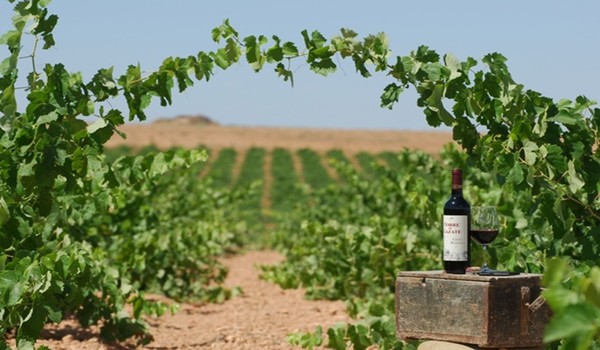
La Mancha is the largest wine area in the whole Europe, with 190.000 hectares planted to vines and, at the same time, the oldest continuous vine-growing area in the world. The climate is continental, with long and hot summers in which daytime temperatures regularly exceed 40 degrees, but drop dramatically at night, and cold winters with temperatures that can reach 10 or 15 degrees below zero.
Vineyards are spread over four of the five provinces that make up the region of Castilla-La Mancha, Albacete, Cuenca, Ciudad Real and Toledo, at an altitude of between 500 and 700 meters on the Meseta plateau. This altitude only partially mitigates the effects of the extreme seasonal climatic variations to which the vines are exposed, however the abundant summer sunshine allows La Mancha’s grapes to ripen generously.
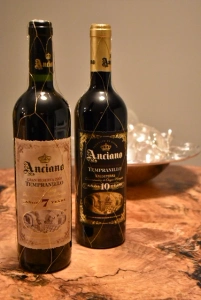
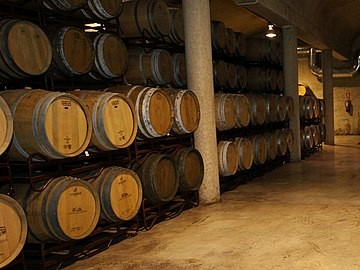
Airén, Macabeo, Parellada, Pedro Ximénez, Verdejo, Chardonnay and Riesling are among the white grapes that grow in La Mancha, while about the red grapes there are Tempranillo, Bobal, Monastrell, Graciano, Mencía, Cabernet Sauvignon and Merlot. These grapes give rise to a wide range of wines: white wines, rosé wines, dry and sweet sparkling wines, red wines aged in oak barrels for two years (Crianza) and up to three and five years (Reserva and Gran Reserva).
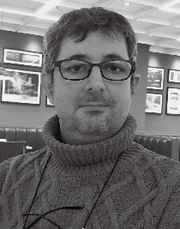
글 | 에밀리아노 펜니지 Emiliano Pennisi
Lecture of the Italian Cultural Institute in Seoul, Sogang University lecturer of Italian language
Wine scholar and expert
He attended sommellier courses in Italy