

Georgian Wine
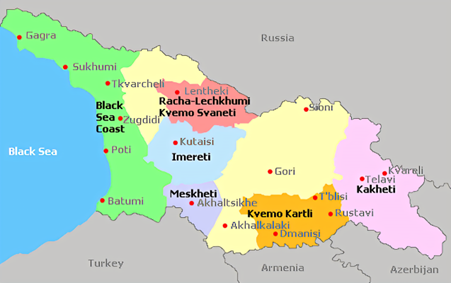
[아츠앤컬쳐] 지난 기사에 기원전 4500년경부터 와인을 생산한 그리스와 시칠리아를 살펴보았지만, 그보다 더 오래 전부터 와인 문화가 존재해 온 곳이 있다. 코카서스는 흑해와 카스피해 사이의 산악지대로, 그 우뚝 솟은 산들은 역사적으로 유럽과 아시아 사이의 분수령으로 여겨져 왔고 이 지역에 아제르바이잔, 아르메니아, 러시아, 조지아가 위치해 있다. 그 중에서 조지아는 세계 최초의 포도 재배 및 와인 제조 지역 중 하나다.
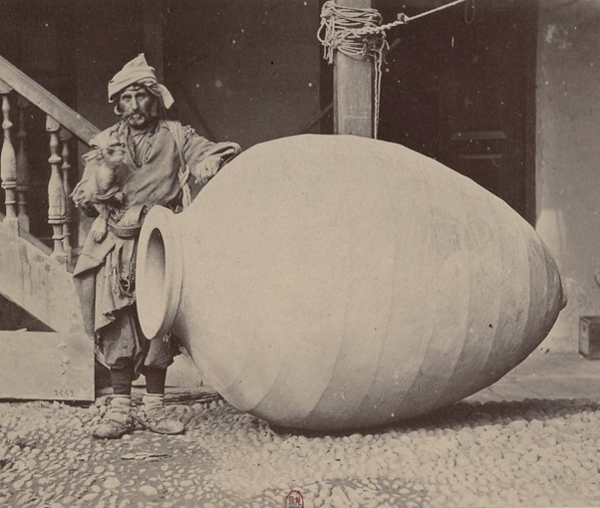
조지아는 실제로 세계에서 가장 오래된 와인 생산지다. 코카서스 남부의 비옥한 계곡과 경사지는 8,000년 이상 동안 포도나무를 재배해 온 본고장이다. 아주 먼 옛날부터 조지아 사람들은 포도 주스 발효와 와인 저장 및 숙성을 위해 ‘크베브리’라고 하는 독특한 대형 점토 항아리를 사용하여 와인을 만들어 왔다. 조지아 곳곳에서 발굴된 많은 귀중한 고대 공예품에는 덩굴과 포도송이의 흔적이 남아 있다.
수천년에 걸친 이러한 종류의 와인 제조 문화는 와인이 오늘날에도 여전히 조지아의 국가적 정체성과 연관되어 있음을 의미하며, 어떤 의미에서는 조지아의 격동적인 역사적 사건을 배경으로 하는 랜드마크를 상징한다. 기원전 4세기부터 19세기 초 러시아 제국에 합병될 때까지 조지아는 마케도니아인, 로마인, 페르시아인, 비잔틴인, 투르크인, 몽골인에게 포위당했고, 이 모든 민족은 때때로 이곳을 자신들의 땅이라고 주장했다.

조지아 문헌에서도 포도나무와 포도주에 대한 언급을 찾아볼 수 있는데, 조지아 왕 디미트리우스 1세(1093~1156)가 지은 중세 찬송가에 “당신은 새로 꽃 피운 포도밭. 젊고, 아름답고, 에덴에서 자라나 이보다 더 찬양받을 자 없네. 당신 자신은 찬란하게 빛나는 태양”이라는 가사가 있다.
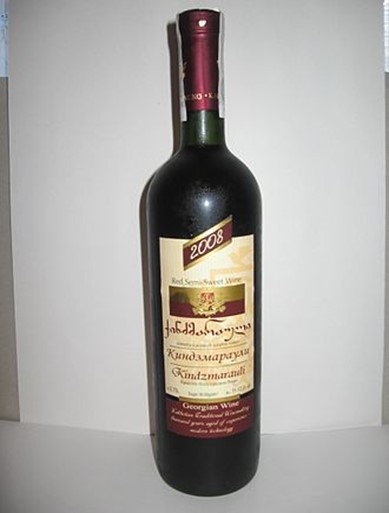
최근 조지아에서는 와인 제조를 위해 스테인레스스틸 탱크와 오크통이 널리 보급되었지만, 지금도 대부분의 와이너리에서는 전통적인 고대 크베브리 점토 항아리를 사용하여 와인을 계속 생산하고 있다. 대부분의 조지아 와인은 화이트와인이고 적지만 의미할 만한 양의 레드와인이 대부분 동부 카케티 지역에서 나온다.
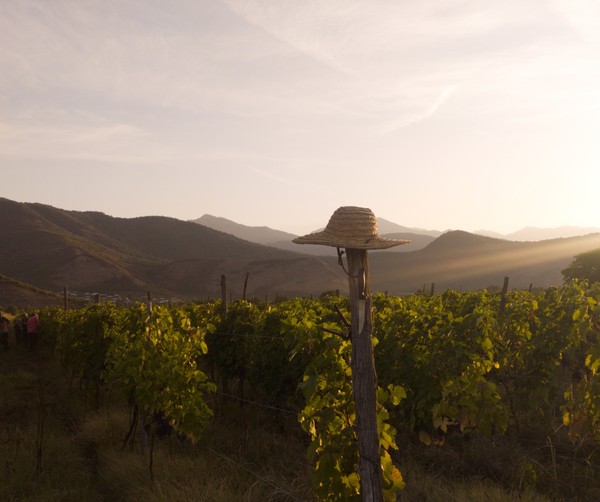
크베브리 안에서 화이트와인이 숙성되는 동안 포도 껍질이 제거되지 않는 경우에 발효된 포도 주스와 접촉이 유지되어 와인에 생생한 오렌지색과 훌륭한 질감이 생길 수 있다.
조지아 와인 중에서 특별히 언급할 만한 것으로는 푸른 사과의 미네랄 노트와 모과 및 복숭아 향이 나는 화이트와인 르카치텔리와 때로 므츠바네 카후리 포도와 혼합되어 과일향이 나고 강렬하고 숙성된 붉은색에 야생 베리와 감초의 향이 있는 와인 사페라비가 있다.
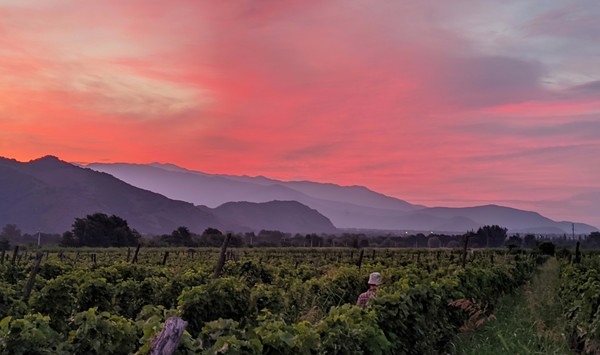
Georgian Wine
Some time ago we have visited Greece and Sicily where wine production dates to about 4500 BC, but in other places wine culture has been present from even more ancient times.
The Caucasus is a mountainous region between Black Sea and Caspian Sea and its towering mountains have historically been considered a watershed between Europe and Asia. Among Azerbaijan, Armenia and Russia, countries located in this region, Georgia is one of the world’s earliest grapes growing and winemaking sites.
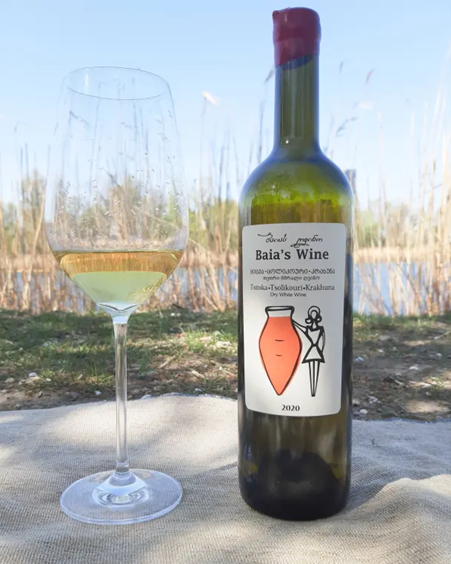
Georgia, indeed, is the oldest wine producing region in the world. The fertile valleys and the slopes of the southern part of the Caucasus has been home to grapevine cultivation for more than eight thousand years. Since such a remote time, Georgian people have been making wine using a particular type of large clay vessel called “kvevri” for grape juice fermentation and to store and age wines. Many valuable and ancient artifacts unearthed in various areas of the country bear chased imprints of vines and grape clusters.
A millennia-long winemaking culture of this kind has meant that wine is still intertwined with Georgian national identity today, having represented in a sense a landmark against the backdrop of the country’s tumultuous historical events. From the fourth century BC until its annexation by the Russian Empire in the early nineteenth century, Georgia was besieged by Macedonians, Romans, Persians, Byzantines, Turks and Mongols, and all these peoples claimed it from time to time as their land.
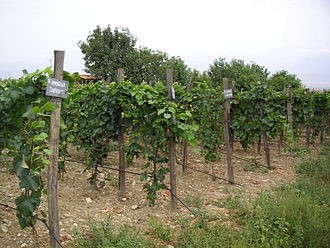
References to the vine and wine are found in Georgian literature, as can be seen in an evocative medieval hymn attributed to the Georgian king Demetrius I (1093~1156): “You are a vineyard newly blossomed”, writes the king addressing his country, “young, beautiful, growing in Eden, no one is more worthy of praise, you yourself are the sun, shining brilliantly”.
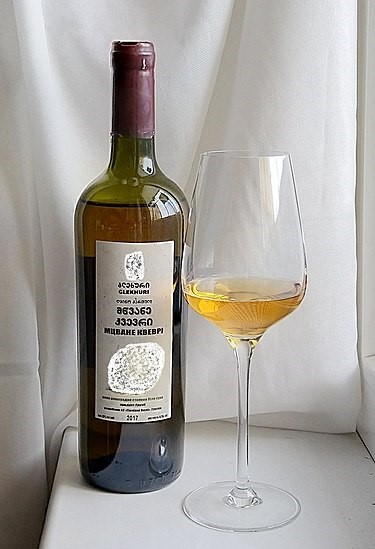
Although the use of stainless-steel tanks and oak barrels for winemaking has become widespread in Georgia in recent times, most of the wineries in the country currently continue to produce wine using traditional ancient kvevri clay vessels. Most Georgian wines are white, with a smaller, but significant number of red wines, and they mostly come from the eastern Khaketi region.
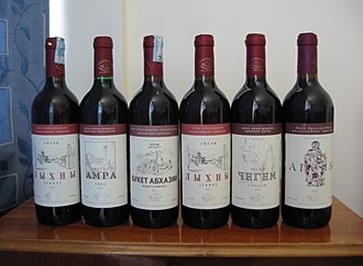
During the aging of white wines inside the kvevri it may happen that grape skins are not removed, thus remaining in contact with the fermented grape juice and giving the wines a lively orange color and a good texture.
Among Georgian wines it is worth mentioning Rkasiteli, a white wine with mineral notes of green apple, hints of quince and peaches, sometimes blended with Mtsvane Kakhuri grapes to create fruity, aromatic wines and Saperavi, a red age worthy wine with an intense color and hints of wild berries and licorice.

글 | 에밀리아노 펜니지 Emiliano Pennisi
Lecture of the Italian Cultural Institute in Seoul, Sogang University lecturer of Italian language
Wine scholar and expert
He attended sommellier courses in Italy