

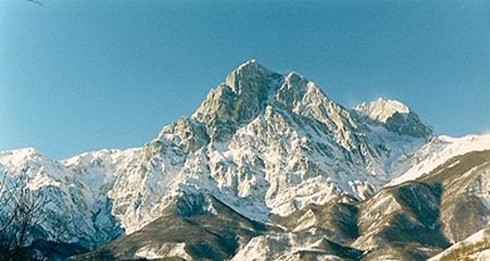
[아츠앤컬쳐] 아브루쪼는 중부 이탈리아에 길고 무성한 해안선을 가진 험준한 산악 지역이다. 아브루쪼 서쪽 경계를 따라 아펜니노 산맥이 뻗어 있으며, 그란 사소 봉우리는 2,912미터로 이탈리아 본토에서 알프스 외에 가장 높은 봉우리다.
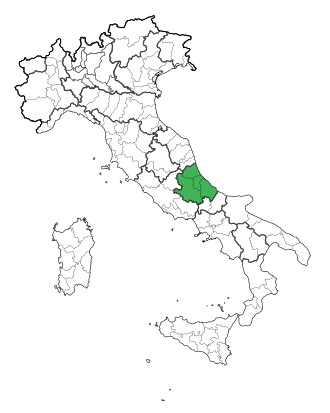
이처럼 높은 산은 서쪽에서 불어오는 찬 기류로부터 포도 재배 지역을 보호하며, 동쪽으로는 아드리아해가 해안부터 내륙의 구릉 지역에 펼쳐진 포도밭에 지중해 기후를 제공한다. 따라서 화창한 날씨와 풍부한 강수량으로 인해 아브루쪼는 포도 재배에 최적의 장소다.
오늘날 아브루쪼의 와인 제조 전통은 에트루리아인이 이 지역에 포도 재배를 도입한 기원전 6세기경에 뿌리를 둔다. 그후로 고대로마에 삼니움과 피케눔으로 나뉘어 있던 이 지역의 와인이 로마시대 여러 작가들의 글에 자주 언급되었다.
그리스 역사가 폴리비오스(기원전 206~118년)는 제2차 포에니전쟁(기원전 218~206년)에 카르타고의 명장 한니발이 트라시메노호수 전투에서 로마군을 물리치고 아펜니노산맥을 넘어 지금의 아브루쪼의 테라모 근처 목축지가 풍성한 시골에 도착하여 지친 병사들에게 좋은 음식과 와인을 찾았다고 회상했다.
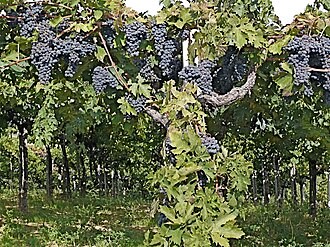
그때 한니발과 그의 병사들이 마신 와인이 바로 아브루쪼 지역의 고대로마 도시 하드리아(현재의 아트리)에서 생산된 비눔 하드리아눔일 것으로 추정된다. 옥타비아누스 아우구스투스 황제 시대에 비눔 하드리아눔은 팔레르노 와인과 함께 이른바 로마제국 최고의 와인 중 하나로 평가받았다.
유명한 아브루쪼 와인 중 하나인 몬테풀치아노는 그 이름이 오랫동안 논란이 되어 왔다. 1579년, 이탈리아 귀족 피콜로미니 토데스키니 가문의 마지막 상속자인 코스탄차는 자신의 친척이 소유한 아브루쪼 영토의 일부를 부채 문제로 대공 프란체스코 1세 데 메디치에 양도했다. 그는 포도 재배를 촉진하기 위해 토스카나에서 포도나무 몇 그루를 도입하였는데, 이후 토스카나의 포도와는 다른 특성을 계발하여 포도의 이름에 먼 원산지를 남겨놓았다.
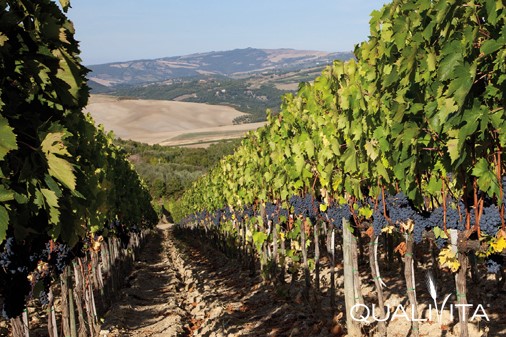
그러나 다른 논문에서는 18세기 문헌을 바탕으로 몬테풀치아노가 이탈리아 중부의 토착 포도 품종이라고 주장한다. 토스카나에서 기원했을 가능성에도 불구하고, 몬테풀치아노 다브루초 와인은 같은 이름의 토스카나 마을에서 상지오베제 포도로 만들어진 노빌레 디 몬테풀치아노와의 연관성이 입증되지 않았다.
몬테풀치아노 다브루초는 숙성 기간에 가넷 경향이 있는 진한 루비색 레드와인이다. 꽃향기와 과일향이 나며 잘 익은 붉은 과일향과 향신료 향이 있고, 그맛이 풍부하고 드라이하며 조화롭고 탄닌이 있다.
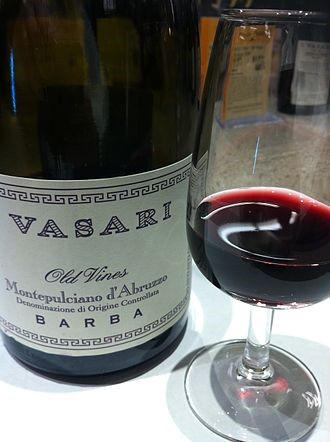
Montepulciano d’Abruzzo
Abruzzo is a rugged and mountainous region with a long, lush coastline located in central Italy. Along Abruzzo western border runs the Apennines Mountain range with the Gran Sasso massif, 2912 meters, the highest peak in mainland Italy outside the Alps.
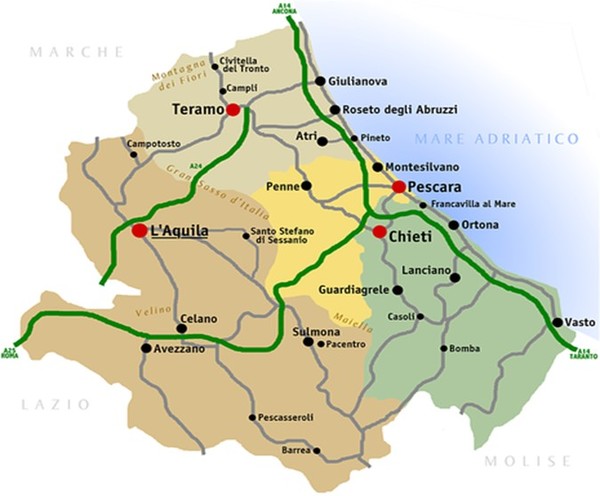
Such high mountains protect wine-growing areas from cold air currents coming from the west, while to the east the Adriatic Sea gives a Mediterranean climate to the vineyards scattered from the coast to the inland hilly areas. Thus, thanks also to the sunny weather and abundant rainfall, Abruzzo is an excellent place for grape growing.
Winemaking traditions in present-day Abruzzo has its roots around the sixth century BC when the Etruscans introduced viticulture to the area. Subsequently, in Roman times, the wines of this region, whose territory was divided between the ancient Roman regions Samnium and Picenum, were frequently mentioned in the writings of various authors.
The Greek historian Polybius (206~118 BC) recalls that during the Second Punic War (218~206 BC), after his victory over the Romans in the battle of Lake Trasimeno, the Carthaginian leader Hannibal crossed the Apennines mountains and arrived in a wooded countryside rich in pastures near what is now the Abruzzo city of Teramo, where he found good food and wines to feed his exhausted soldiers.
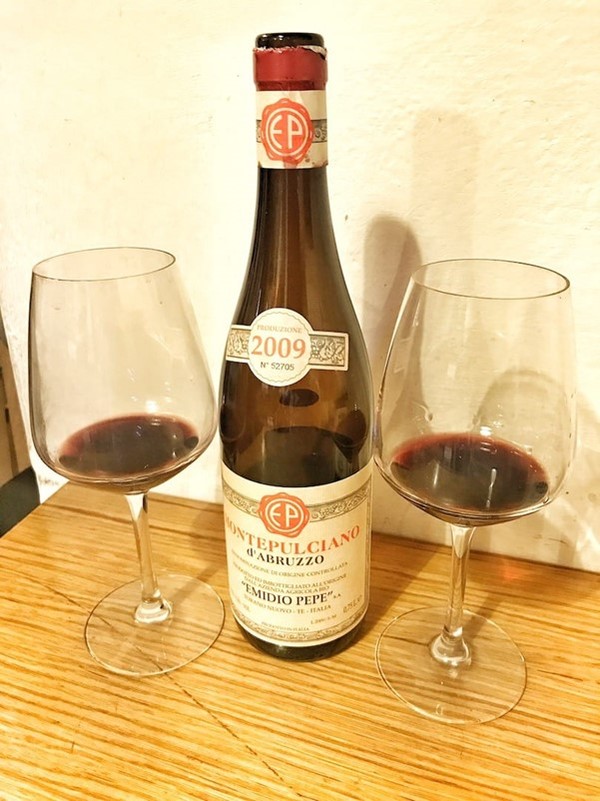
The wine that Hannibal and his soldiers drank on that occasion may have been the vinum Hadrianum, a wine coming from the ancient Roman town of Hadria, today’s Atri, in the very same Abruzzo region. At the time of the emperor Octavian Augustus, vinum Hadrianum was appreciated as one of the best in the Roman empire together with Falerno wine.
One of the renowned Abruzzo wines is Montepulciano, whose name has long been debated. In 1579, Costanza, the last heir of the noble Italian Piccolomini Todeschini family, ceded for debt reasons some Abruzzo territories that had belonged to her relatives to the Grand Duke Francesco I de’ Medici, who promoted viticulture by introducing some vines from Tuscany into the area which then developed their own different characteristics from Tuscan grapes, preserving their distant origin only in their name.
Another thesis, however, states that Montepulciano is an indigenous grape variety of central Italy, based on written sources dating back to the eighteenth century. Despite the possible Tuscan origin, the wine Montepulciano d’Abruzzo has not proven connection with Nobile di Montepulciano, a wine which is made in the Tuscan town of the same name from Sangiovese grapes.
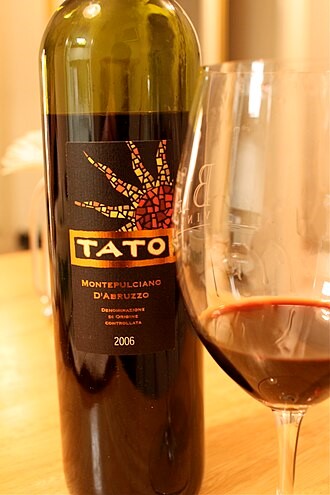
Montepulciano d’Abruzzo is a wine with an intense ruby red color that tends to garnet while aging. The scent is floreal and fruity, with hints of ripe red fruits and spices. The taste is full, dry, harmonious and tannic.

글 | 에밀리아노 펜니지 Emiliano Pennisi
Lecture of the Italian Cultural Institute in Seoul, Sogang University lecturer of Italian language
Wine scholar and expert
He attended sommellier courses in Italy