

Istria Wine Museum and Sustainable Tourism
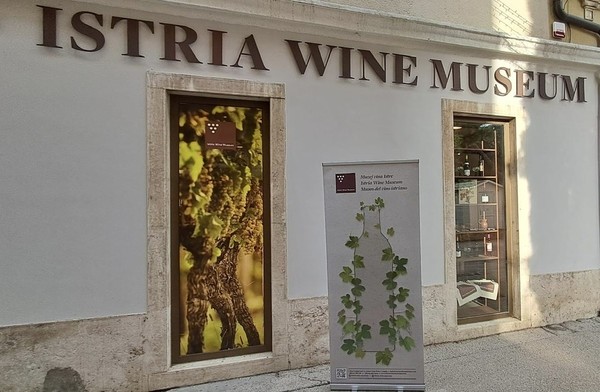
[아츠앤컬쳐] 크로아티아는 지속 가능한 관광에 강한 의지를 지니고, 문화 및 자연 유산 보호, 지역 사회 복지에 중점을 두며, 방문객들에게 풍부한 전통 문화 경험을 즐길 기회를 제공한다. 이러한 접근 방식의 대표적 사례 중 하나로 풀라에서 최근 개관한 이스트리아 와인 박물관은 이스트리아 반도의 문화적, 역사적 유산을 보존하고 알리는 역할을 한다. 박물관은 전통 양조 도구, 와인 통, 역사 문서, 현지 와인 제조자들의 이야기를 통해 이스트리아의 오랜 포도 재배 전통을 이해하도록 돕는다.
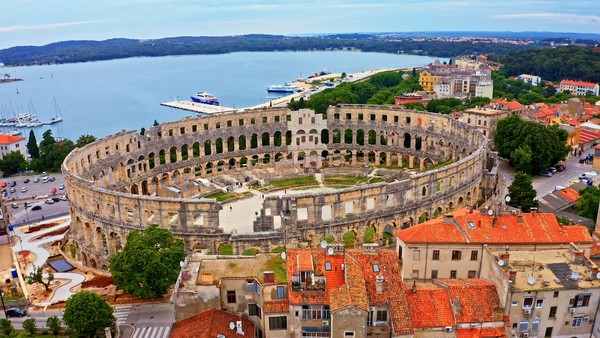
이스트리아 최대 도시이자 크로아티아 대표 관광 및 문화 도시 중 하나인 풀라에 이 박물관을 개관한 것은 우연이 아니다. 풀라는 뛰어난 로마 시대 유산, 아름다운 아드리아 해안, 풍부한 해양사로 널리 알려져 있다. 풀라에는 세계에서 가장 크고 잘 보존된 로마 원형 경기장 중 하나인 풀라 아레나가 있다. 이 외에도 풀라에는 여러 중요한 랜드마크가 있는데, 고대 포럼에 기원 후 1세기의 아우구스투스 신전, 기원전 29~27년경의 세르기우스 개선문은 저명한 로마 가문을 기념하며, 쌍둥이 문, 성벽, 소형 로마극장 등 옛 방어 시스템의 흔적도 남아 있다.
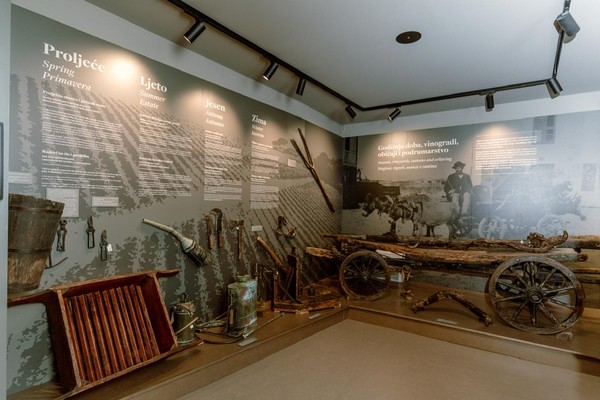
이스트리아의 포도 재배는 고대까지 거슬러 올라가며, 와인 박물관의 개관은 이러한 뿌리 깊은 전통을 기리는 의미가 있다. 상설 전시회에서 선사 시대와 로마 시대 포도밭에서부터 중세와 근세 오늘날 번성한 와인 산업에 이르기까지 포도 재배와 와인 생산의 발전 과정을 소개하며, 와인은 지금도 이스트리아 지역을 대표하는 상징 중 하나다.
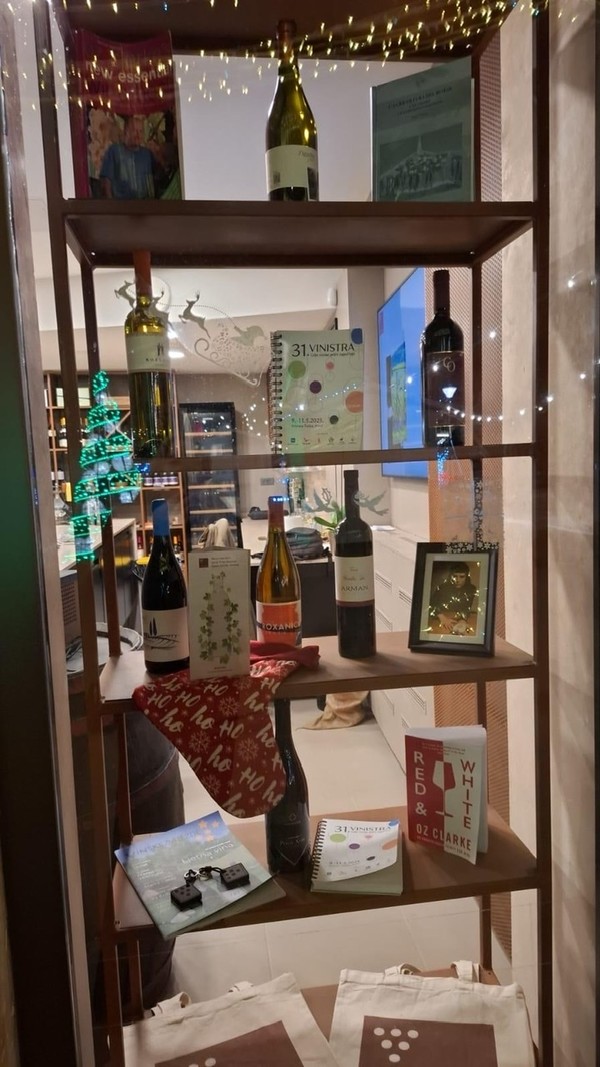
역사적인 유물들은 와인이 일상생활, 번영, 그리고 축제 문화에 끼친 영향을 보여준다. 전시는 또한 1990년대를 조명하며 새로운 세대의 와인 생산자들이 소규모 포도원에서 품질 중심의 생산에 집중하며 국제적인 명성을 얻게 된 과정을 다룬다. 포도밭 작업과 와인저장고 전통을 다루는 섹션에서는 전통 방식과 현대 기술을 모두 살펴볼 수 있다. 대형 와인 월은 이스트리아 전역의 와인들이 전시되어 있고, 이스트리아 전역의 와인 생산자를 대표하는 병과 연관된 스토리를 선보인다.
박물관은 또한 이스트리아 와인 문화의 핵심인 고유 토착 품종인 말바시아, 테란, 보르고냐, 무슈캇 모먄스키, 두라니야, 흐르바티카 등을 조명한다. 지역의 독특한 토양, 기후, 지형, 장인 정신 등 독특한 지역적 특징을 설명하며, 각 와인의 개성이 현지 조건에서 어떻게 형성되는지 보여준다.
이스트리아 와인 박물관은 문화 보존을 중시하고 지역 경제를 지원하며 지역 사회를 참여시키는 크로아티아의 현대 관광 철학을 반영한다. 이 박물관은 지역 와인 생산자를 홍보하고 지역 정체성을 존중함으로써 방문객과 이스트리아 사이에 더 깊은 연결을 형성해 준다.
관광객에게 박물관 방문은 더 넓은 문화적, 생태적 유산의 일부로서 와인을 즐길 수 있는 기회다. 고대 항아리부터 부티크 통까지 모든 와인이 저마다의 이야기를 들려준다. 흔히 말하듯, 말바시아나 테란 잔을 들 때 우리는 단순히 와인을 맛보는 것이 아니라 이스트리아 역사를 맛보는 것이다.
이 박물관의 개관은 오토찬 가문과 코스타디노브 가문의 비전과 협력의 결과다. 이들은 지역 유산을 기리고 지속적인 문화 명소로 만들어 그들의 도시, 이스트리아, 크로아티아를 더욱 풍요롭게 하고, 이스트리아의 와인 양조 이야기를 미래 세대가 이어가도록 기여했다.
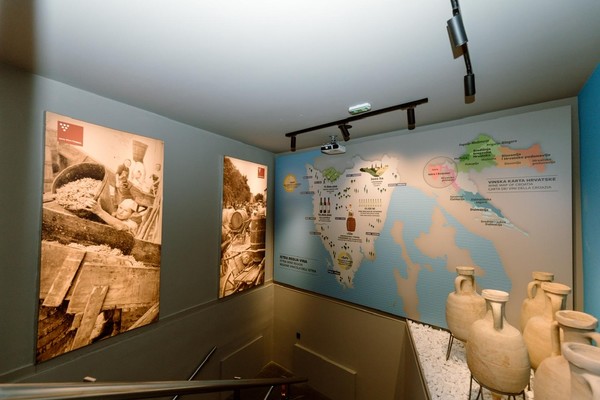
Istria Wine Museum and Sustainable Tourism
Croatia is strongly committed to sustainable tourism, protecting its cultural and natural heritage and supporting the well-being of local communities, while creating opportunities for visitors to truly connect with its people and traditions and enjoy authentic, culturally rich experiences.
One of the best recent examples of such an approach to tourism in Croatia is in Pula, the recently opened Istria Wine Museum, which promotes and preserves the cultural and historical heritage of the Istrian Peninsula. Through original winemaking tools, barrels, historical documents, and the stories of local winemakers, the museum helps visitors understand the long-standing tradition of viticulture in Istria.
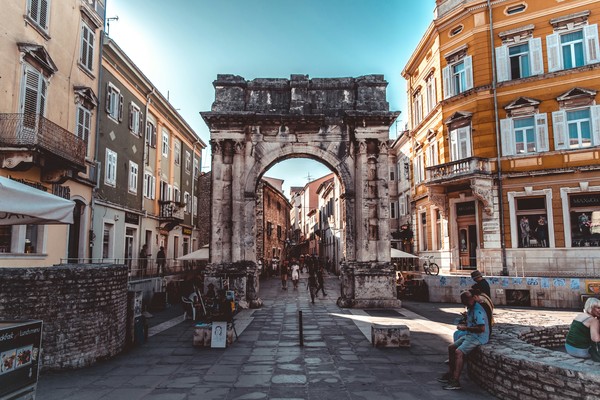
It is no coincidence that the museum was opened in Pula, the largest city in Istria and one of Croatia’s most important tourist and cultural destinations. Pula is best known for its exceptionally preserved Roman heritage, stunning Adriatic coastline, and rich maritime past.
At the heart of Pula stands its most famous monument, the Amphitheatre, or Pula Arena, one of the six largest and best-preserved Roman amphitheatres in the world. Beyond the Amphitheatre, Pula is home to several other significant Roman and historical landmarks. The Temple of Augustus, a well-preserved 1st-century AD temple, stands in the city’s ancient Forum. The Arch of the Sergii, built around 29–27 BC, commemorates a prominent Roman family. Pula also features remnants of its old defensive system, including the Twin Gates, City Walls, and the Small Roman Theatre.
Viticulture in Istria dates back to ancient times, and the opening of the Istria Wine Museum honours this deep-rooted tradition. The permanent exhibition traces the evolution of vine cultivation and wine production, from prehistoric beginnings and Roman vineyards, through the Middle Ages and early modern history, to today’s thriving wine industry, where wine remains a defining symbol of the region of Istria.
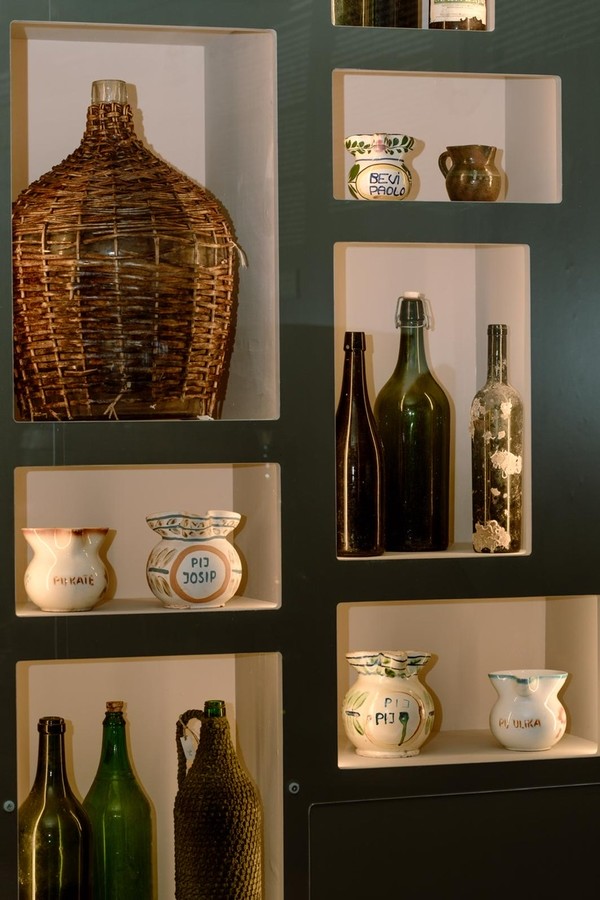
Historical artefacts reveal how wine shaped everyday life, prosperity, and celebration. The exhibition also looks to the 1990s, when a new generation of Istrian winemakers shifted toward smaller estates with a strong focus on quality, gaining international recognition. Sections dedicated to vineyard work and cellar traditions offer insight into both traditional and modern techniques. On the large Wine Wall, wines from across Istria are presented together, displaying winemakers across Istria, each with its own bottle and interactive story.
The museum further highlights the unique indigenous varieties that are central to Istrian wine culture, such as Malvasia, Teran, Borgonja, Muškat Momjanski, Duranija, and Hrvatica. These are presented through stories of the region’s distinctive soil, climate, landscape, and craftsmanship, demonstrating how local conditions shape each wine’s character.
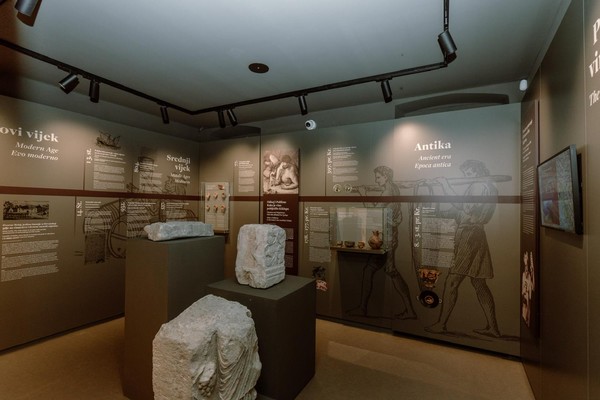
The Istria Wine Museum reflects Croatia’s modern tourism philosophy, one that values cultural preservation, supports the local economy, and engages the community. By promoting local wine producers and honouring regional identity, the museum creates a deeper connection between visitors and the place they are discovering.
For tourists, a visit is an opportunity to enjoy wine not simply as a product, but as part of a broader cultural and ecological heritage. From ancient amphorae to boutique barrels, every bottle tells a story. As the saying goes, when you raise a glass of Malvasia or Teran, you are not just tasting wine, you are tasting Istrian history.
The opening of the museum is the result of the vision and partnership of the Otočan and Kostadinov families, who have enriched their city, Istria, and Croatia by celebrating local heritage and creating a lasting cultural attraction that will keep Istria’s winemaking story alive for future generations.

글 | 로레타 베르토사 쿠센 Loreta Bertosa-Kusen
주영국크로아티아대사관 전권대사
Minister Plenipotentiary Embassy of Croatia in London