

The Museum of Ancient Glass in Zadar
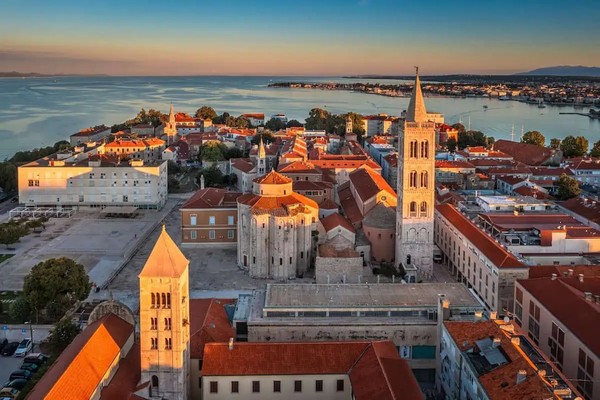
[아츠앤컬쳐] 자다르는 크로아티아에서 가장 오래된 도시 중 하나이자 아드리아 해 연안 달마티아 북부에 위치한 대표적인 관광지이다. 여러 국립공원으로 둘러싸인 이 도시는 아름다운 자연경관과 풍부한 역사 유산을 함께 즐길 수 있는 독특한 매력을 지니고 있으며, 여름철에는 인근 섬들 사이를 항해하거나 아름다운 해변을 만끽할 수 있다.
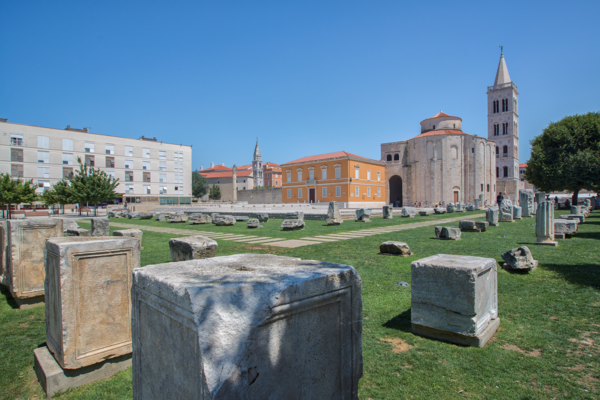
자다르는 선사시대부터 사람이 거주해 온 도시로, 청동기 시대까지 거슬러 올라가는 정착의 흔적이 남아 있다. 도시 곳곳에 남아 있는 뛰어난 건축 유산을 통해 자다르의 역사는 오늘날까지 생생하게 이어진다. 한때 로마 식민지였던 시기의 유산인 로마 포럼(Roman Forum)은 고대 도시 생활의 모습을 엿볼 수 있게 해주며, 바로 인근에는 9세기에 건립된 원형 구조의 프리로마네스크 양식 건축물인 성 도나투스 교회(Church of St. Donatus)가 자리하고 있다. 이 교회는 중세 자다르의 역사를 상징하는 건축물로, 뛰어난 음향 효과로 인해 현재는 음악 공연을 위한 특별한 공간으로도 활용되고 있다.
중세 및 르네상스 양식의 건축물로 둘러싸인 미로 같은 좁은 골목길들은 자다르만의 독특한 도시 풍경을 이루며, 도시의 오랜 역사를 이야기해 준다. 이 매력적인 골목 사이에 자리한 곳이 바로 자다르 고대 유리 박물관이다. 박물관은 19세기에 지어진 코스마첸디(Cosmacendi) 가문의 궁전을 복원한 건물에 위치해 있으며, 이후 북쪽 별관이 증축되어 현재의 모습을 갖추게 되었다.
고대 유리에 특화된 이 박물관은 기원전 1세기부터 서기 5세기까지 제작된 5,000여 점 이상의 고대 유리 유물을 소장하고 있다. 이 가운데 보존 상태가 우수한 약 1,500점이 상설 전시로 공개되며, 유리 공예의 역사를 따라 구성된 8개의 주제별 섹션으로 전시가 구성되어 있다. 또한 박물관은 연중 다양한 유리 공예 워크숍을 운영하며, 전통적인 자유 취입 기법으로 고대 유리의 복제품을 제작하는 라이브 유리공예 시연도 진행한다.
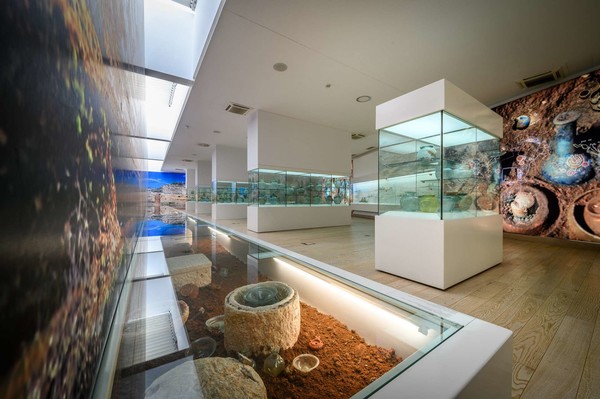
유리는 매우 깨지기 쉬운 재료임에도 불구하고, 수천 년 동안 이 지역을 휩쓴 지진과 전쟁 속에서도 오늘날까지 전해져 왔다는 점이 매우 인상적이다. 박물관에는 잔, 항아리, 유리병, 장신구, 부적 등 수천 점의 유리 유물이 전시되어 있으며, 이를 통해 고대인의 일상생활과 예술적 감각을 엿볼 수 있다. 전시 공간 외에도 박물관에는 전문 도서관, 회의실, 유리 공방, 기념품 가게가 함께 마련되어 있다.
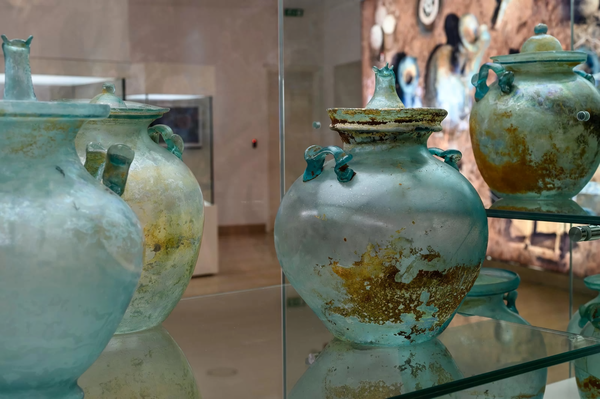
박물관의 소장품은 자다르와 그 인근 지역의 여러 유적지에서 수집되었다. 고고학자들의 체계적인 발굴 작업을 통해 자다르, 닌, 스타리그라드, 그리고 벤코바츠 인근의 아세리아 등지에서 유물이 출토되었다. 전시에는 일상용 유리 제품뿐만 아니라 정교하게 제작된 주전자나 독특한 형태의 유리 작품들도 포함되어 있다. 특히 일부 대형 유리 항아리는 자다르 지역의 로마 시대 공동묘지에서 발견된 것으로, 화장된 유골을 담는 용도로 사용되었다. 전시 공간은 대형 조명 진열장과 음향 효과를 활용해 관람객의 몰입도를 높이고 있다.
자다르 고대 유리 박물관은 기원전 1세기부터 서기 5세기에 이르는 유리의 역사를 따라가는 흥미로운 여정을 제공한다. 풍부한 소장품과 세심하게 구성된 전시, 그리고 생생한 유리 공예 시연을 통해 이 박물관은 고대 유리 제작 예술을 오늘날에 되살리며, 자다르를 대표하는 독특한 문화 명소로 방문객들을 초대한다.
The Museum of Ancient Glass in Zadar
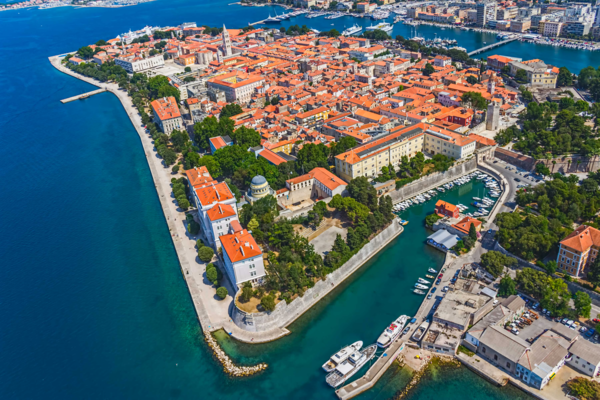
Zadar is one of the oldest cities in Croatia and a well-known tourist destination, situated in the northern part of Dalmatia on the Adriatic coast. Surrounded by several national parks, the city offers a unique combination of natural beauty and rich historical heritage to explore, as well as opportunities to enjoy beautiful beaches and sailing among the nearby islands during the summer.
Zadar has been continuously inhabited since prehistoric times, with evidence of settlement dating back to the Bronze Age. Through its remarkable architectural landmarks, Zadar’s history remains vividly present today. The Roman Forum, dating to the period when the city was a Roman colony, offers visitors a glimpse into ancient urban life. Just steps away stands the Church of St. Donatus, an impressive 9th-century pre-Romanesque structure whose distinctive circular design reflects the medieval history of Zadar. Owing to its extraordinary acoustics, the church also serves as a unique venue for musical performances.
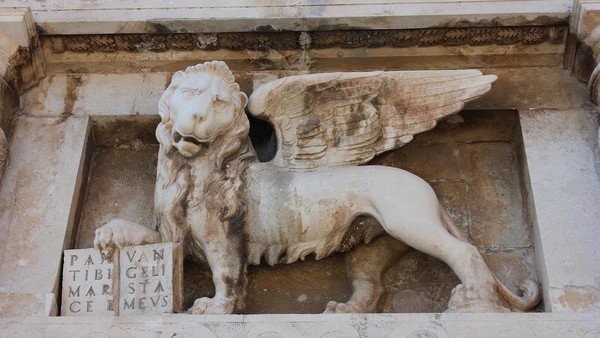
A maze of narrow streets framed by medieval and Renaissance architecture forms a distinctive urban landscape that further tells the story of Zadar’s past. Within this charming street labyrinth, tourists can discover the Museum of Ancient Glass. The museum is situated in a restored 19th-century palace of the Cosmacendi family, with its original architecture later expanded by the addition of a northern annex.
Dedicated to ancient glass, the museum offers visitors an impressive collection of more than 5,000 glass objects from antiquity, dating from the 1st century BC to the 5th century AD. Over 1,500 well-preserved pieces are displayed in the permanent exhibition, which is organised into eight thematic sections that trace the history of glassmaking. Throughout the year, the museum also hosts a variety of glass workshops, including live glassblowing demonstrations in which replicas of ancient glass are created using the traditional free-blowing technique.
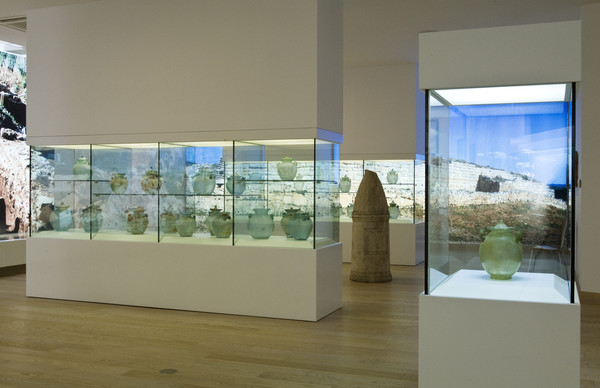
It is remarkable that a material as fragile as glass has endured the earthquakes and conflicts that have affected the region over thousands of years. Yet the museum preserves and displays thousands of objects, including goblets, jars, vials, jewellery, and amulets, offering insight into both everyday life and artistic expression in antiquity. In addition to its exhibition spaces, the Museum of Ancient Glass in Zadar comprises a specialised library, a conference room, a glassblowing workshop, and a souvenir shop.
The museum’s exhibits have been gathered from various sites in and around Zadar, revealing the many ways in which ancient glass was used and preserved. Through the systematic work of archaeologists, these artefacts were recovered from locations including Zadar, Nin, Starigrad, and Asseria near Benkovac. The collection includes not only everyday glass objects but also refined jugs and unusually shaped pieces. A number of the larger glass urns originate from the local Roman necropolis, where they served as containers for cremated remains. The exhibition design employs large illuminated display cases and ambient sound to enhance the interpretative experience.
The Museum of Ancient Glass in Zadar offers visitors an engaging journey through the history of glass from the 1st century BC to the 5th century AD. Through its rich collection, thoughtfully designed exhibitions, and live glassblowing demonstrations, the museum brings the ancient art of glassmaking to life, inviting visitors to discover one of Zadar’s most distinctive cultural attractions.

글 | 로레타 베르토사 쿠센 Loreta Bertosa-Kusen
주영국크로아티아대사관 전권대사
Minister Plenipotentiary Embassy of Croatia in London