

Osijek
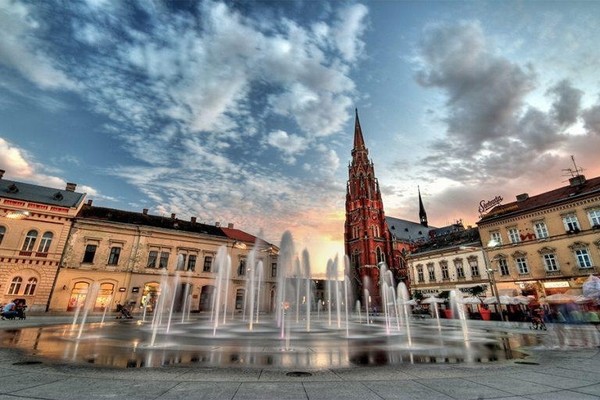
[아츠앤컬쳐] 오시예크는 크로아티아 동부 슬라보니아 지역에서 가장 큰 도시로, 오시예크-바라냐주의 행정·문화·농업·경제 중심지인데, 드라바강 남쪽 강변에 다뉴브강 만나는 지점에서 약 25km 상류에 있으며, 판노니아 평원의 중요한 위치에 자리한다.
오시예크 지역은 신석기 시대부터 사람이 거주해 왔고, 로마 시대에는 무르사라는 정착지가 형성되었으며, 판노니아 속주의 중요한 군사 및 행정 중심지로서, 드라바강을 가로지르는 다리와 로마 군대의 주둔지가 있었다.
로마 제국이 쇠퇴하고 초기 중세 시기에 슬라브족이 이주해 오면서, 이 정착지는 점차 지역 교역의 중심지로 발전했다. 오시예크에 대한 최초의 기록은 1196년에 등장한다. 도시 역사에서 중요한 전환점은 1526년 오스만 제국 군대가 도시를 점령하고 대부분을 파괴하면서 찾아왔다. 오스만 통치 시기에 오시예크는 중부 유럽과 발칸을 연결하는 중요한 상업 중심지로 발전했다. 1687년에는 합스부르크 군대가 도시를 점령했으며, 이후 18세기와 19세기를 거치면서 도시 계획과 건축 양식의 발전으로 크게 성장했다.
오시예크에서 가장 중요한 역사 유적 중 하나는 합스부르크가 오스만 제국에 승리한 이후인 1712~1715년에 건설된 바로크 양식의 요새 트브르자다. 이 요새는 성곽과 방어벽을 갖춘 별 모양의 군사 시설로, 당시 합스부르크 국경 방어 체계 가운데 가장 발전된 요새 중 하나로 평가되었다. 20세기에 도시 확장을 위해 외곽 방어 시설의 상당 부분이 철거되었지만, 트브르자의 내부 중심 구역은 오늘날까지 잘 보존되어 있다. 오늘날은 1877년에 설립된 슬라보니아 박물관을 비롯해 박물관, 교회, 대학 건물, 문화 기관 등이 자리하고 있다.
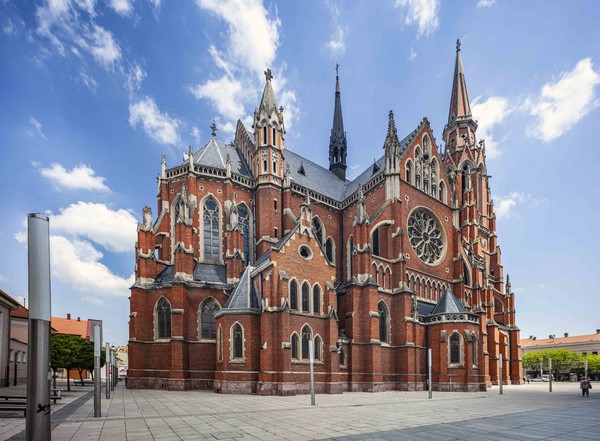
성 베드로와 성 바오로 공동대성당 또한 오시예크의 중요한 랜드마크이자 도시 건축 유산을 대표하는 건축물이다. 이 네오고딕 양식의 성당은 오시예크 출신의 영향력 있는 크로아티아 주교 요시프 유라이 스트로스마이어가 추진하여, 독일 건축가 프란츠 랑겐베르크의 설계에 따라 1894~1898년에 건설되었다. 성당의 탑 높이는 94m로, 크로아티아에서 가장 높은 교회 건물 가운데 하나다.
도시에서 건축적으로 가장 특징적인 거리 중 하나인 유럽 애비뉴에는 1904~1906년에 건설된 건물들이 이어져 있다. 이 건물들은 당시 합스부르크 제국 전역에서 널리 퍼져 있던 세체션(아르누보) 양식을 보여준다. 이러한 도시 저택과 공공 건물들은 중앙유럽 건축 경향이 지역 도시 환경에 맞게 적용된 중요한 사례로 평가된다.
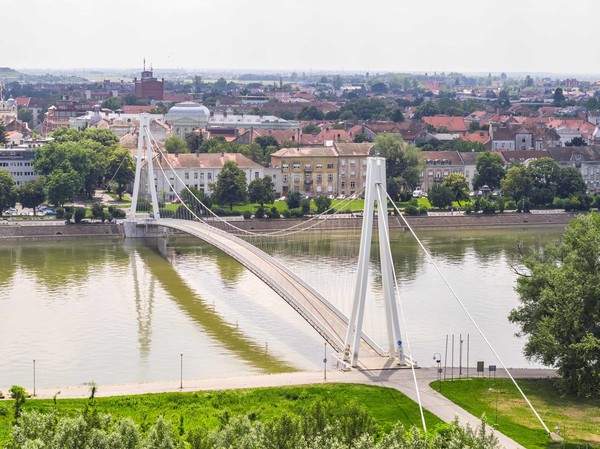
오시예크는 공원과 녹지 공간이 많은 도시로도 널리 알려져 있다. 킹 페타르 크레시미르 4세 공원과 킹 토미슬라브 공원은 역사적인 도심과 트브르자 지구를 연결하는 네트워크로 오시예크가 크로아티아에서 가장 녹지가 많은 도시 가운데 하나로 알려지는 데 중요한 역할을 했다. 드라바강을 따라 약 10.5km 길이로 이어지는 강변 산책로는 도시의 곳곳을 이어, 산책과 자전거, 여가 활동, 휴식을 위한 공간으로 활용되고 있다.
도시 외곽에는 유럽에서 가장 큰 습지 생태계 중 하나인 코파치키 리트 자연공원이 있다. 이 공원은 뛰어난 생물 다양성으로 유명하며, 조류 관찰과 강 주변 자연 경관으로 방문객들에게 인기 있는 장소다.
오시예크 주변의 바라냐, 에르두트, 다뉴브 와인 지역인 포두나블리에 등 유명한 와인 산지에서는 그라셰비나, 트라미낙, 프랑코브카와 같은 와인이 생산된다. 또한 이 지역은 전통 요리인 피시 파프리카시와 쿨렌 등 미식 문화로도 잘 알려져 있다. 오시예크는 친절한 지역 주민들과 다양한 지역 특산품으로 동부 크로아티아의 진정한 지역 문화를 경험할 수 있는 여행지다.
Osijek
Osijek is the largest city in the eastern Croatian region of Slavonia and serves as the administrative, cultural, agricultural, and economic centre of Osijek-Baranja County. Located on the southern bank of the Drava River, about 25 kilometres upstream from its confluence with the Danube, the city occupies an important position within the Pannonian Plain.
Archaeological evidence shows that the area of present-day Osijek has been inhabited since the Neolithic period. During Roman rule, the settlement known as Mursa became an important military and administrative centre in the province of Pannonia, with a bridge across the Drava River and a Roman garrison.
After the decline of the Roman Empire and the arrival of Slavic populations in the early Middle Ages, the settlement developed into a regional trading centre. The first recorded mention of Osijek dates to 1196. A major turning point occurred in 1526 when Ottoman forces captured and largely destroyed the town. Under Ottoman rule, Osijek became an important commercial centre linking Central Europe and the Balkans. The city was taken by Habsburg forces in 1687, after which Osijek experienced significant growth during the eighteenth and nineteenth centuries, reflected in its urban planning and architecture
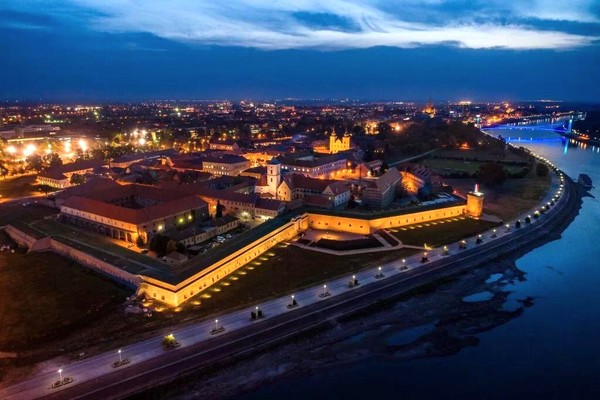
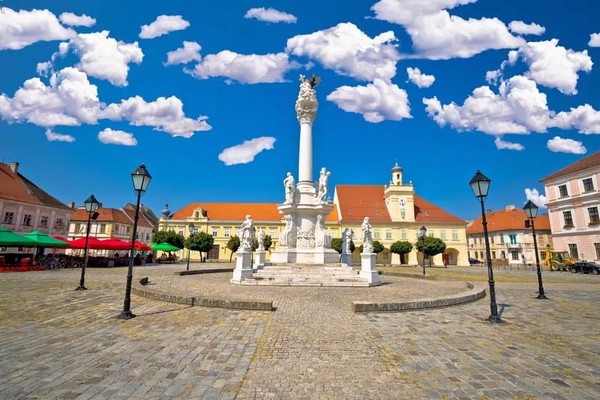
One of the most important historical complexes in Osijek is Tvrđa, the baroque fortress constructed between 1712 and 1715 after the Habsburg victory over the Ottomans. Designed as a star-shaped military structure with bastions and defensive walls, it was among the most advanced fortification systems on the Habsburg frontier. Although much of the external fortifications were removed during the twentieth century to allow urban expansion, the inner core of Tvrđa has been preserved. Today the district contains museums, churches, university buildings, and cultural institutions, including the Museum of Slavonia, founded in 1877.
The Co-Cathedral of St. Peter and St. Paul is another important landmark of Osijek and a prominent example of the city’s architectural heritage. The neo-Gothic church was built between 1894 and 1898 according to the design of German architect Franz Langenberg. Its construction was initiated by the influential Croatian bishop Josip Juraj Strossmayer, a native of Osijek. The cathedral’s tower rises to 94 metres, making it one of the tallest churches in Croatia.
Along European Avenue, one of the most architecturally distinctive streets in the city, a sequence of buildings constructed between 1904 and 1906 displays the Secessionist (Art Nouveau) style that was widespread throughout the Habsburg Empire. These urban villas and public buildings represent a notable example of Central European architectural trends adapted to the local urban environment.
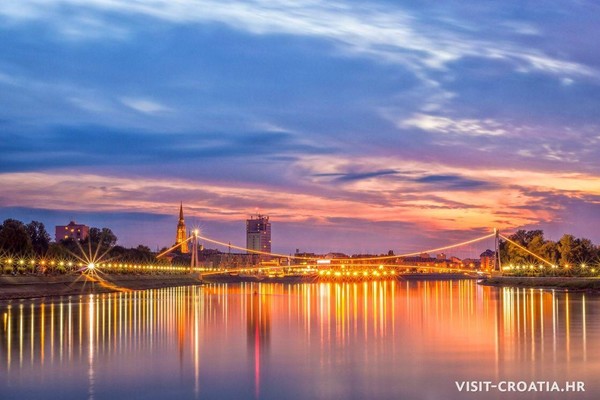
Osijek is widely known for its parks and green spaces, including King Petar Krešimir IV Park and King Tomislav Park, which connect the historic centre with the Tvrđa district. This network of parks contributes to Osijek’s reputation as one of the greenest cities in Croatia. A riverside promenade along the Drava River, stretching about 10.5 kilometres, links different parts of the city and provides space for walking, cycling, recreation, and socializing. Beyond the urban area lies Kopački Rit Nature Park, one of the largest wetland ecosystems in Europe. The park is known for its biodiversity and attracts visitors interested in birdwatching and river landscapes.
Osijek is surrounded by well-known wine regions such as Baranja, Erdut, and the Danube wine region (Podunavlje), producing wines like Graševina, Traminac, and Frankovka. The area is also known for its gastronomy, with traditional dishes such as fish paprikaš and kulen served alongside local wines. With welcoming hosts and local specialties, Osijek offers tourists an authentic experience of eastern Croatia.

글 | 로레타 베르토사 쿠센 Loreta Bertosa-Kusen
주영국크로아티아대사관 전권대사
Minister Plenipotentiary Embassy of Croatia in London