

Austria: Vienna Wine
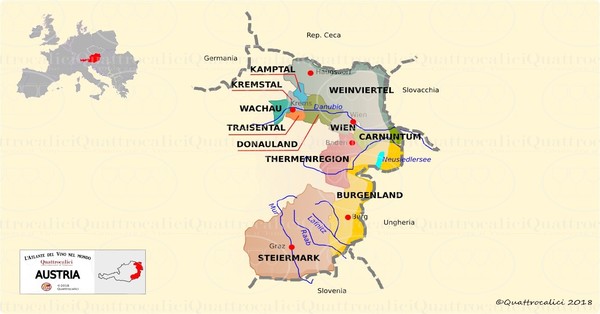
[아츠앤컬쳐] 이번 호에는 다시 유럽의 심장부 중에 오스트리아로 간다. 오스트리아는 헝가리와 함께 거대하고 다민족적인 오스트리아-헝가리 제국을 주도한 바 있다. 오스트리아 와인은 때때로 독일 와인과 유사하게 생각되지만 차이점이 유사성보다 크다. 오스트리아는 독일 남부와 평행한 위도 선상에 있어 기후가 북부보다 다소 온화하다. 오스트리아의 서쪽은 쌀쌀한 알프스 동부의 영향을 받는 반면에, 동쪽은 판노니아 고원이 있어 기온이 더 따뜻한 편이다. 이러한 연유로 이 지역의 와인은 풀바디에 드라이하다.
오스트리아의 포도 재배는 켈트족이 중유럽의 여러 지역에서 포도를 재배하기 시작한 기원전 4세기 무렵으로 거슬러 올라간다. 와인 생산은 특히 로마제국의 속주인 노리쿰(현 오버외스터라이히와 니더외스터라이히)과 판노니아(현 부르겐란트)에서 성장했다.
프랑스, 독일, 이탈리아와 마찬가지로 오스트리아의 포도원들은 수세기에 걸쳐 크렘스, 클로스터노이부르크, 멜크, 하이리겐크로이츠와 같은 수도원의 베네딕트 교단 및 시토회 교단의 수도사들에 의해 세심하게 관리되어 왔다. 그 기간 동안 유명한 스위트와인의 명성이 퍼지기 시작했는데, 일례로 아우스브루흐 와인은 오늘날도 헝가리 접경 지역인 오스트리아 부르겐란트주의 노이지들 호수 근처에서 생산되고 있다.
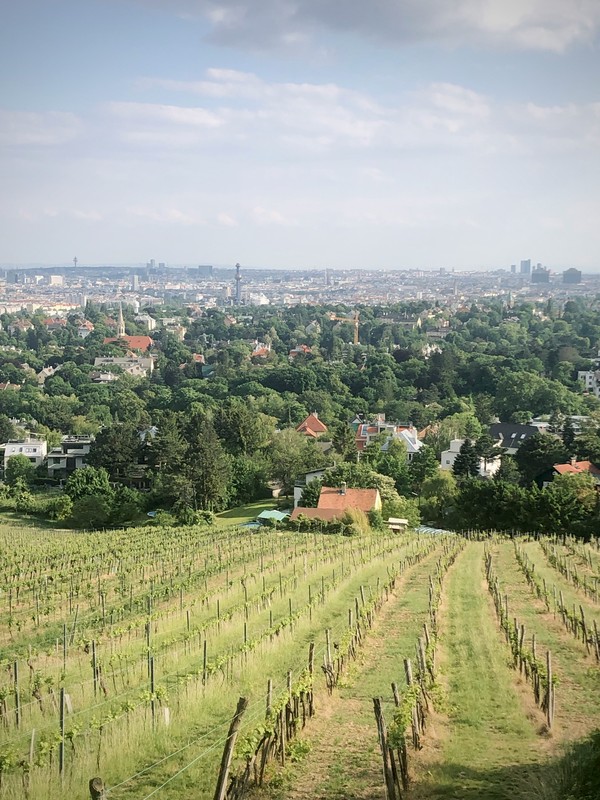
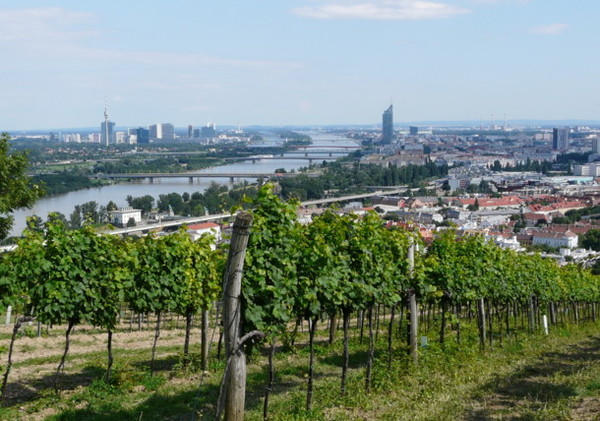
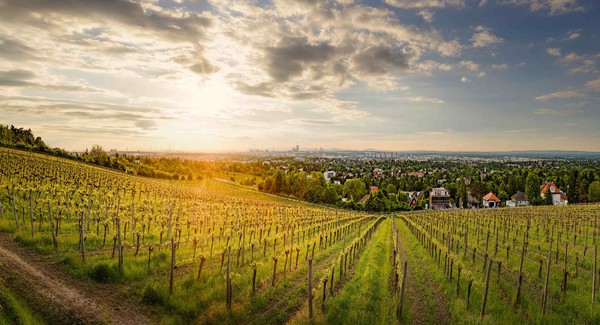
주요 포도 재배 지역은 오스트리아의 동부로, 이번에는 그 중에서도 역사적인 수도 비엔나에 초점을 맞춘다. 과거에 파리와 로마도 도시 안이 포도원으로 뒤덮여 있었지만, 세계 어느 도시도 비엔나처럼 도시 안에 600 헥타르 이상의 포도원을 보유한 곳은 없다. 중세 시대에는 비엔나의 도시 성벽 안에서 포도가 자랐으며 오늘날에도 장엄한 성 스테판 대성당에서 그리 멀지 않은 곳에 포도원이 있다.
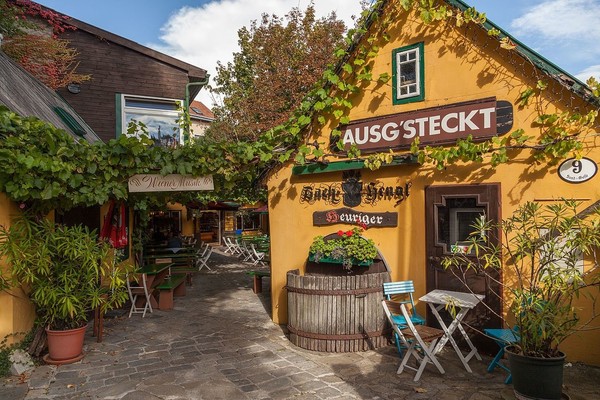
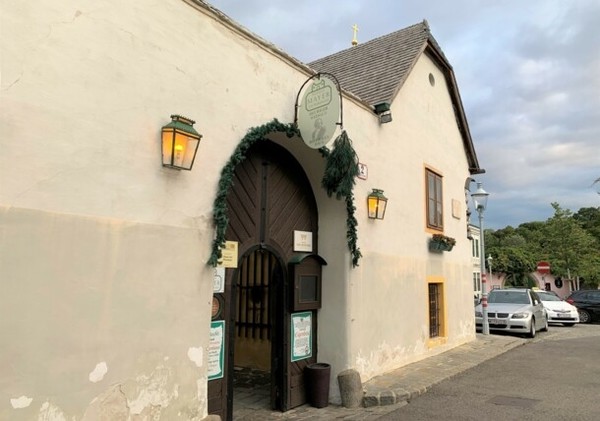
1784년에 오스트리아 황제 요제프 2세 합스부르크 로렌은 국민들이 자신의 와인과 식품을 제공하고 판매할 수 있는 장소를 열도록 허용하는 법령을 발표했다. 현재 이러한 선술집인 ‘호이리거’는 비엔나 와인 문화의 한 부분이다. 또한, 비엔나에서 가장 오래된 주점 중 하나인 ‘마이어 암 파르플라츠’는 베토벤이 제9교향곡을 작곡한 장소로도 알려져 있다.
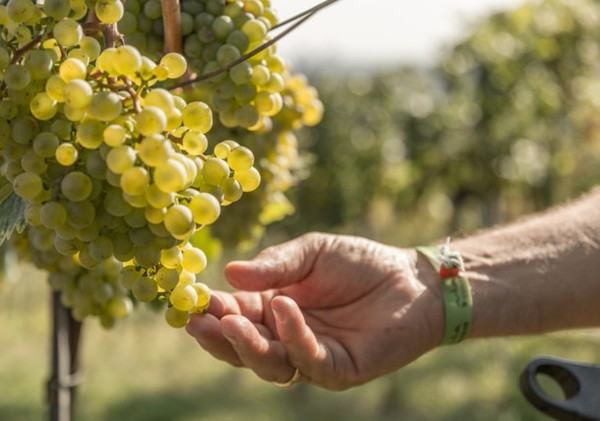
오스트리아 와인은 대부분 드라이 화이트와인이지만 소중한 스위트와인과 맛 좋은 드라이 풀바디 레드와인도 있다. 비엔나에서는 포도원 내에 적어도 세 가지 이상의 백포도 품종을 같이 심고, 함께 수확하고 양조하는 고대 풍습이 오늘날까지 이어지고 있다. 이것이 주로 그뤼너 벨트리너, 리슬링, 샤도네이 및 노이부르거 포도로 만들어진 게미슈터 잣츠 와인이다. 비엔나의 레드와인은 쯔바이겔트, 블라우프랭키쉬, 상크트 라우렌트 및 블라우부르군더 포도로 만들어진다.
Austria: Vienna Wine
This month’s trip takes us back to the heart of Europe and precisely in Austria, the country that was with Hungary the leading entity of the vast and multi-ethnic Austro-Hungarian empire.
Austrian wines are sometimes considered like German ones, but the differences outweigh the similarities: Austria is located parallel to southern Germany and consequently its climate is somewhat milder than that of its northern neighbor. The western part of the country is influenced by the chilly Eastern Alps, while in the east the Pannonian plateau has warmer temperatures. For these reasons, its wines are more full-bodied and drier.
Viticulture in Austria dates to the fourth century BC, when the Celts began cultivating vines in many areas of central Europe. It was then with the Roman Empire that wine production developed, especially in the Roman provinces of Noricum (present-day Upper Austria and Lower Austria) and Pannonia (now Burgenland).
Over the centuries, as happened in France, Germany and Italy, Austrian vineyards were scrupulously entrusted to the care of monks, such as those of the Benedectine and Cistercian abbeys of Krems, Klosterneuburg, Melk and Heiligenkreuz. In that period the fame of renowned sweet wines began to spread, as for example Ausbruch, a wine which is still made today near Lake Neusiedl in the Austrian state of Burgenland, on the border with Hungary.
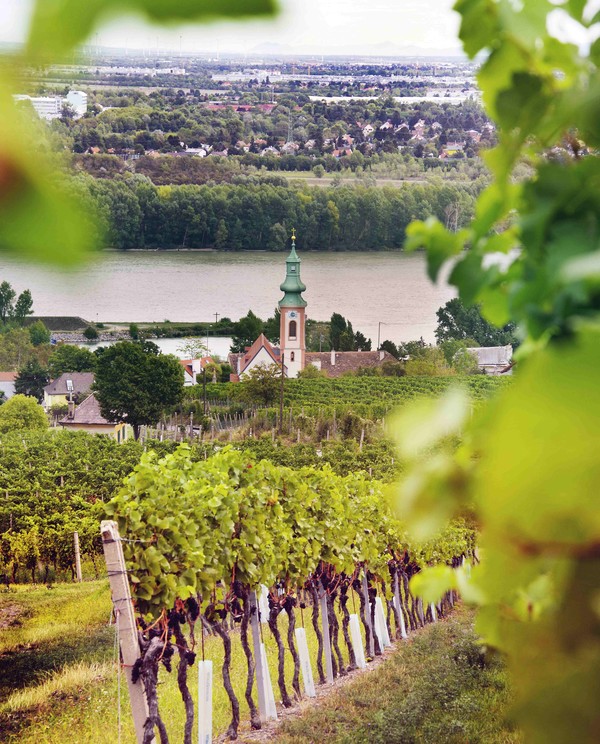
The main wine-growing areas are in the eastern part of Austria and on this occasion, we focus on Vienna, its historical capital city.
In the past, several urban areas of Paris and Rome were covered with vineyards, but no other city in the world has as many vineyards in its borders as Vienna which, with more than 600 hectares of vines, is a wine region. During the Middle Ages, vines grew within its city walls and even today there are vineyards not far from the imposing Saint Stephen Cathedral.
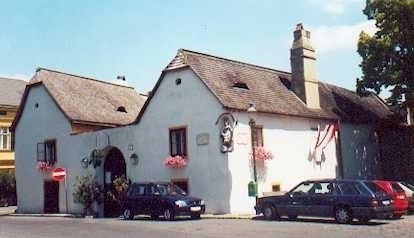
In 1784, the Austrian Emperor Joseph II Habsburg Lorraine issued a decree which allowed the population to open premises for the serving and sale of their own wines and food products. Nowadays these taverns, “heuriger”, are still a fundamental part of Viennese wine culture and one of the oldest in Vienna is Mayer am Pfarrplatz, where Beethoven is said to have composed his Ninth Symphony.
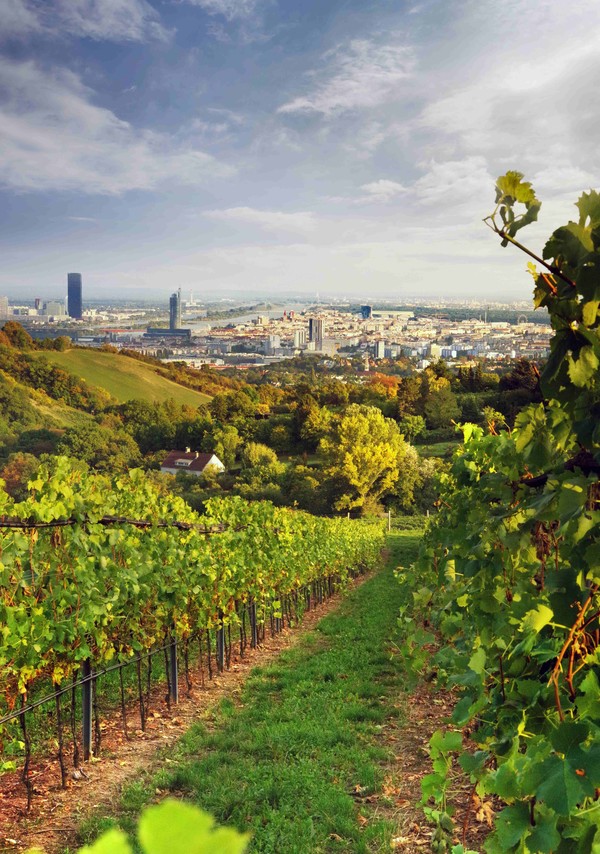
Austrian wines are mostly dry white wines, but there are also some valuable sweet wines and delicious dry full-bodied red wines. In Vienna, the ancient custom of planting at least three white grape varieties in the same vineyard, then harvesting and vinifying them together, has been maintained until today with the Gemischter Satz wine, which is made mainly with Gruener Veltliner, Riesling, Chardonnay and Neuburger grapes. Viennese red wines are made with Zweigelt, Blaufrankisch, St. Laurent and Blauburgunder grapes.

글 | 에밀리아노 펜니지 Emiliano Pennisi
Lecture of the Italian Cultural Institute in Seoul, Sogang University lecturer of Italian language
Wine scholar and expert
He attended sommellier courses in Italy